






A Natural Solution Emerges
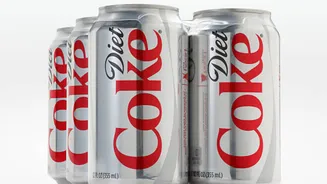
Amidst a noticeable scarcity of a popular diet beverage, the Kerala Tourism Department stepped in with an ingenious and wholesome substitute. This initiative,
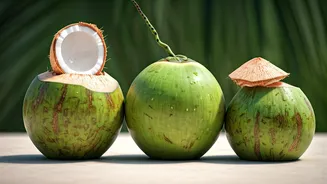
widely shared on social media, proposed 'Coke O'Nut' as a revitalizing and health-conscious drink. The announcement was accompanied by an image featuring a coconut adorned with a straw, emphasizing its status as a pure and nutrient-rich option. The accompanying message playfully acknowledged the Diet Coke shortage, presenting 'Coke O'Nut' as Kerala Tourism's delightful answer. This inspired pivot quickly resonated online, earning praise for its originality and the department's commitment to promoting indigenous and beneficial consumables. The scarcity of the aforementioned diet drink has been linked to disruptions in the supply chain and a surge in consumer demand, creating a perfect storm for innovative alternatives.
Promoting Local Goodness
The department's forward-thinking strategy not only tackles the immediate availability issue but also powerfully advocates for the consumption of natural ingredients and provides a boost to local coconut farmers. 'Coke O'Nut' is, in essence, the pure water extracted from tender coconuts, a liquid celebrated for its exceptional hydrating properties and abundant nutrients. It is remarkably low in calories and packed with essential electrolytes, positioning it as an ideal replacement for conventional, sugar-laden beverages. This timely and engaging social media campaign has captured significant public attention, with numerous individuals expressing eagerness to sample this tropical delight during their travels in Kerala. This clever marketing effort by Kerala Tourism unequivocally showcases their dedication to fostering sustainable and health-conscious tourism practices across the state.
Viral Trend and Consumer Reaction
The recent unavailability of Diet Coke across India has sparked a considerable wave of online engagement, with users sharing a variety of humorous memes, videos, and personal anecdotes. This trend has particularly captivated younger demographics, who have been vocal in online forums and social media platforms about the absence of their favored fizzy drink. In response to this widespread discussion, Kerala Tourism cleverly joined the conversation. Their official 'X' (formerly Twitter) handle posted a striking image of a coconut captioned "Tender Coke'o'nut," accompanied by the reassuring phrase, "No worries for weight-watchers in Kerala!." This post, part of a broader online reaction to the shortage, highlighted how Diet Coke is more than just a drink for many young consumers; it's a habitual choice during meals and a go-to beverage. The shortage has fueled extensive online debates, with users sharing screenshots of empty online store shelves and lamenting the loss of their 'fizz' during the summer months.
Underlying Supply Chain Issues
The current scarcity of Diet Coke is primarily attributed to issues concerning its packaging rather than production itself. A significant factor contributing to this situation is the substantial increase in aluminium prices, which have seen a rise of 14-20% recently, pushing the cost to approximately $3,672 per tonne. Concurrently, the domestic production capacity for beverage cans in India is currently operating at nearly 20% below the existing demand. Further compounding these supply challenges are logistical delays, potentially influenced by geopolitical tensions like those involving the US and Iran, alongside stricter Bureau of Indian Standards (BIS) certification requirements for imported materials. These interconnected factors have made it challenging for retailers to restock effectively, leading to the widespread unavailability of the popular beverage.