






Understanding 3AC and 3E
When booking train tickets in India, you'll often encounter the terms 3AC and 3E, both referring to air-conditioned sleeper coaches designed for extended
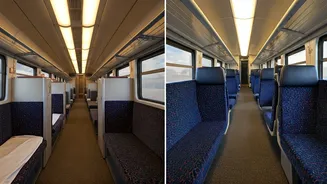
travel. Essentially, 3AC stands for Third Air-Conditioned, a widely recognized and popular class offering a good balance between affordability and comfort. On the other hand, 3E signifies Third AC Economy, a more recent addition by Indian Railways aimed at providing an accessible air-conditioned travel experience at a lower price point. Think of 3E as a more budget-conscious sibling to the standard 3AC. While both promise a cool respite from the Indian climate, their fundamental design and intended passenger experience diverge, primarily influencing how much personal space you get and how much you pay.
The Crucial Space Difference
The most significant distinction between 3AC and 3E coaches lies in the allocation of space. A standard 3AC coach typically accommodates 72 berths, meticulously designed to offer a comfortable travel experience. In contrast, a 3E coach, within a similar coach structure, is engineered to squeeze in more passengers, ranging from 80 to 83 berths. This increased berth density in 3E means that Indian Railways has slightly reduced the width of each berth and consequently, the legroom available for passengers. Therefore, while both are AC sleeper options, the 3E coach inherently feels more compact and can be perceived as crowded when compared to the roomier 3AC. For travelers who prioritize a sense of personal space, especially during overnight journeys where ample room contributes significantly to restful sleep, the 3AC coach generally provides a more generous and comfortable environment.
Price Point Clarity
A primary driver for many passengers opting for the 3E coach is its more economical fare structure. Tickets for 3E are consistently priced lower than those for 3AC, making the comfort of air-conditioned travel accessible to a broader spectrum of travelers, particularly those who are budget-conscious. While the absolute monetary difference might not always be enormous on shorter routes, it can become quite noticeable and significant on longer train journeys. This makes the 3E an attractive option for individuals or families looking to manage their travel expenses without entirely sacrificing the convenience and comfort of an AC coach. If your goal is to enjoy an AC journey without incurring the higher costs associated with 3AC, then choosing 3E presents a financially astute decision.
Assessing Comfort Levels
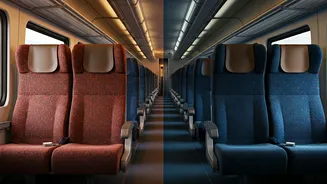
Determining which coach offers superior comfort hinges on your personal travel priorities. The 3AC coach is designed with passenger well-being in mind, boasting wider berths and more generous legroom, which facilitates easier movement and relaxation. Conversely, 3E coaches feature berths that are slightly narrower, offer less headroom, and accommodate a higher number of passengers within the same physical space. Consequently, many seasoned travelers find that the 3AC coach provides a more conducive environment for sleeping comfortably throughout the night. Anecdotal evidence and community discussions often suggest that taller individuals, in particular, might find the 3E configuration to be somewhat constricting. However, it's worth noting that many 3E coaches are among the newer additions to the fleet, and some passengers appreciate their potentially cleaner and more modern interior aesthetics.
Facilities: A Near Match
When it comes to onboard amenities, both 3AC and 3E coaches generally offer a comparable experience, providing the essential facilities expected on an Indian Railways AC journey. You can anticipate air-conditioning to keep the journey pleasant, charging points for your electronic devices, and reading lights for personal use. Bedding, including blankets and pillows, is typically provided on most trains for both classes, and curtains or partitions are available to offer a degree of privacy, depending on the specific design of the coach. Therefore, the core differences that significantly impact your travel experience are not found in the availability of these basic services. Instead, the defining factors that distinguish 3AC from 3E remain centered on the amount of personal space you occupy and the overall cost of your ticket.