





Preparation Is Key
Before venturing out, a bit of preparation can make a massive difference. Planning your route is important. Consider locations that are well-lit, have
accessible pathways, and offer some level of shelter from the wind and elements. If outdoor walking isn't feasible, explore indoor alternatives such as shopping malls or community centers with indoor tracks. Checking the weather forecast is crucial. Be prepared for unexpected changes by knowing the expected temperature, wind chill, and potential precipitation. Adjust your plans as needed. Staying hydrated is also very important, even when it's cold. Drinking water supports energy levels and helps maintain good health. Packing a small bag with essentials like water, a snack, and a fully charged phone can make any walk more manageable. Proper planning will ensure comfort and success in achieving your step goals.
Gear Up Properly
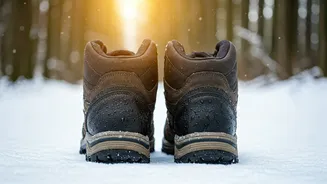
Choosing the right clothing is crucial for comfort and safety. The layered approach is best. Begin with a moisture-wicking base layer to draw sweat away from your body. Add insulating mid-layers like fleece or wool, and finish with a waterproof and windproof outer layer. Wearing a hat, gloves, and a scarf or neck gaiter will protect exposed skin from the cold. For your feet, select warm, waterproof boots with good traction to prevent slips on icy surfaces. Consider using insulated socks to keep your feet warm and dry. Pay attention to the breathability of your clothing to avoid overheating and sweating. Properly fitted gear prevents any movement restrictions. Reflective gear or a headlamp may be necessary if walking in low-light conditions. These items increase visibility and safety.
Mind Over Matter
Staying motivated in cold weather can be a challenge. Setting achievable goals can help. Begin with shorter walks and gradually increase the distance as you feel more comfortable. Reward yourself for milestones reached. This can be as simple as a warm cup of tea or some time spent relaxing. Finding a walking buddy can provide accountability and make the experience more enjoyable. Sharing the journey with someone can also motivate both of you to continue even on days you may not feel like it. Incorporating music or podcasts can distract from the cold and boost mood. Choosing content that keeps you engaged and entertained can make the walk pass more quickly. Focusing on the benefits, like improved mood, energy, and overall health, can sustain you. Remember the positive effects of regular physical activity and use that as an encouragement.
Route Optimization Techniques
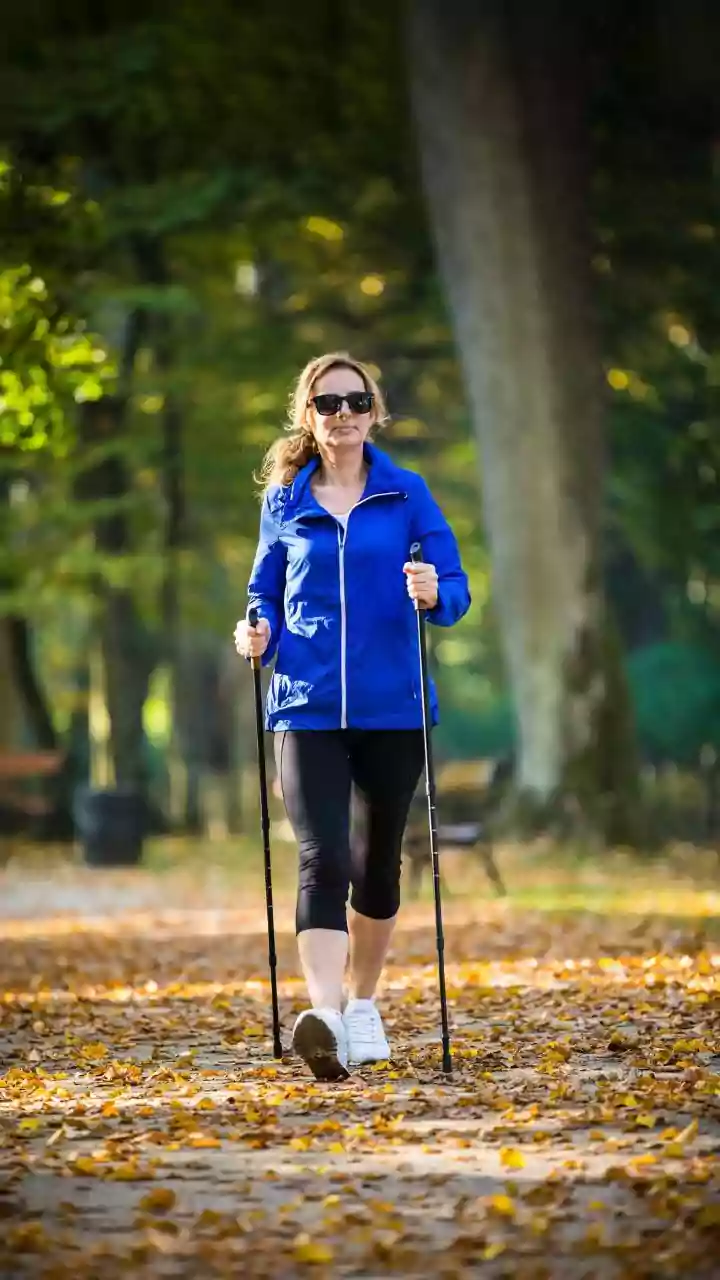
When navigating through the cold, choose walking routes that minimize exposure to the elements. Seek areas that are sheltered from wind, such as parks with tree cover or routes along buildings. Opt for paths with well-maintained surfaces to decrease the risk of falls. If conditions are particularly icy, consider using walking aids like ice cleats. Varying the route can provide fresh scenery and sustain interest. Consider routes that include indoor walking sections when possible, such as a shopping mall. Utilize shorter, more frequent walks throughout the day, rather than fewer longer ones. This approach can make the daily step goal more achievable and also prevent overexposure to the cold. Walking in the morning when the sun is out can also make the experience more enjoyable.
Listen to Your Body
Paying attention to physical cues is crucial when walking in cold temperatures. If you start to feel cold, stop and seek shelter to warm up. Don't push yourself beyond your limits. Monitor your body for symptoms of hypothermia, such as shivering, fatigue, and confusion. If any of these symptoms appear, seek immediate medical attention. Be mindful of potential slips on icy surfaces and adjust your pace as needed. It's better to walk slower and more carefully than risk a fall. Ensuring to stretch before and after your walk will keep your muscles relaxed and flexible. Stretching helps prevent injuries and improve overall comfort. Adjust the intensity of your walk based on your body's response, and don't hesitate to take breaks when needed to rest and refuel.
Post-Walk Recovery
After your walk, proper recovery is important to restore your body and energy. Immediately change out of wet clothing to prevent chills and hypothermia. Taking a warm shower or bath can help increase body temperature and improve circulation. Drink warm beverages to help rehydrate and warm up from the inside. Consuming a nourishing meal or snack will help restore energy levels. Include protein and carbohydrates to help with muscle recovery and energy replenishment. Review your experience and make adjustments for future walks. Reflect on your performance and note any aspects that could be improved, such as gear or route selection. Keeping track of your steps and overall progress will help to reinforce motivation, allowing you to sustain your fitness routine even throughout winter.