







Gallbladder Removal Overview
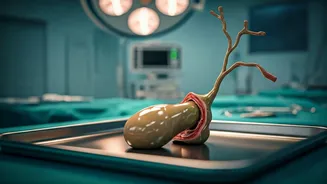
The gallbladder, a small organ that stores bile, is often removed due to issues like gallstones. When the gallbladder is gone, bile flows directly from
the liver into the small intestine. While this bypasses the gallbladder's storage function, the body usually adapts. However, the absence of the gallbladder may lead to changes in digestion, especially initially. Common complaints include altered bowel movements or trouble digesting fatty foods. These alterations are usually temporary, as explained by medical experts, and your body learns to adjust to the new bile flow. It is important to know that most people return to a normal life after some time.
Digestive Changes Explained
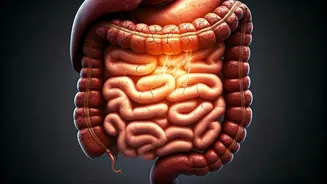
After gallbladder removal, the way fats are digested can change. Normally, the gallbladder releases bile in response to fatty foods, aiding in their breakdown. Without the gallbladder, bile is released continuously. This can sometimes cause diarrhea, especially after consuming high-fat meals. The body adjusts over time, but it may take several weeks or months. During this period, individuals may find it helpful to adjust their diet by consuming smaller, more frequent meals. It's often beneficial to reduce the amount of fat in each meal and to avoid foods that are known to trigger digestive symptoms. This dietary adjustment helps the digestive system adapt to the new bile flow.
Constipation and Gallbladder
While diarrhea is a more common initial complaint, constipation can also occur after gallbladder removal. This can result from changes in the digestive process and diet. Bile has a role in stimulating bowel movements, so its altered release can affect the regularity of bowel motions. Constipation can be managed by increasing fiber intake through fruits, vegetables, and whole grains, staying well-hydrated by drinking plenty of water, and engaging in regular physical activity. If constipation persists, it's advisable to seek advice from a healthcare professional, who may suggest other options like over-the-counter stool softeners or other treatments.
Temporary Side Effects
Dr. Sood emphasizes that any digestive issues experienced after gallbladder removal are typically temporary. The duration of these side effects varies. Some people may find that their digestive system returns to normal within a few weeks, while others might take several months. Factors such as pre-existing digestive conditions, diet, and lifestyle choices can affect the recovery timeline. It is essential to be patient and give the body time to adjust. Maintaining open communication with your healthcare provider will ensure proper guidance and support during the recovery period, which may also involve medication to manage specific symptoms.
Living a Healthy Life
Many people live perfectly normal and healthy lives after gallbladder removal. This involves adjusting to the changes in the digestive system, which often means modifying the diet. Eating smaller, balanced meals, avoiding excess fats, and including plenty of fiber are crucial. Regular exercise and staying hydrated also play a significant role in improving overall health. Following medical advice and attending follow-up appointments is essential for monitoring and managing any lingering issues. Remember, with the right approach and adaptation, a healthy life is absolutely possible after gallbladder removal.