




Weight Balance Essentials
Aviation experts emphasize that pre-flight technical checks are extensive, with passenger seating being a critical component. The 'Weight and Balance'
calculation is vital, ensuring the aircraft's center of gravity remains within safe operational limits for a stable takeoff. When passengers move seats without authorization, especially on smaller aircraft or during less-than-full flights, it can subtly alter the aircraft's trim and takeoff performance. This imbalance could lead to the aircraft being excessively 'nose heavy' or 'tail heavy,' disrupting the necessary equilibrium for a secure departure. Therefore, maintaining the assigned seating arrangement is paramount for predictable flight dynamics.
Manifest: Your Safety Record
Beyond physical balance, the passenger manifest serves as an indispensable safety tool for flight attendants and ground personnel. In critical situations, such as emergencies or medical incidents, this document is the primary reference for identifying individuals, accessing their contact information, and coordinating rescue efforts. Strategic seating arrangements are often made for passengers with specific needs, like those with disabilities, medical conditions, or unaccompanied minors, ensuring crew members can quickly locate and assist them if required. Unauthorized seat changes can render this vital information inaccurate, potentially delaying crucial assistance when seconds count.
Deconstructing 'Free' Seats
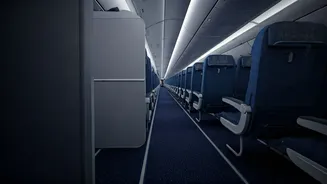
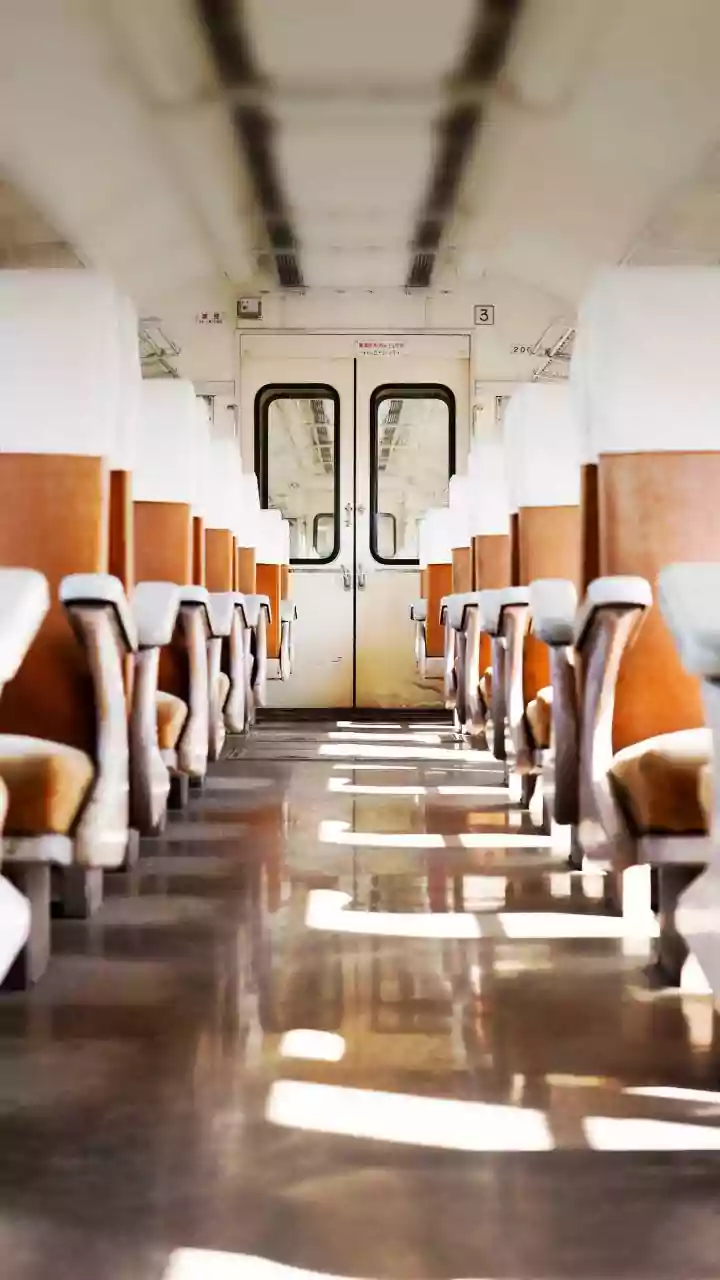
The perception of an 'empty' seat might be misleading; it could simply be a pre-selected or paid-for option. Many airlines offer upgrades for preferred seats, such as window views, extra legroom, or exit rows, at an additional cost. Moving into one of these seats without authorization means potentially occupying a spot for which another passenger has paid or has specific entitlements. This not only breaches airline policy but can also lead to unnecessary congestion in the aisles and confusion during the boarding process, disrupting the orderly flow of passengers onto the aircraft.
Exit Rows & Premium Zones
Certain seats, particularly those in exit rows, are subject to much stricter rules due to their inherent safety functions. Passengers assigned to these areas must be physically capable of assisting in an emergency and are required to undergo a specific safety briefing. Similarly, seats in business class, first class, or premium economy are tied to higher fare categories and are not considered general seating areas available for casual relocation. These premium sections are managed according to the ticket purchased, and unauthorized occupants can disrupt the service and comfort levels for fare-paying passengers.
The Etiquette of Asking
While unauthorized seat switching is ill-advised, there are appropriate times to request a move. Passengers can inquire with a flight attendant about relocating to an empty seat *after* boarding is nearly complete and before takeoff, provided it doesn't interfere with weight balance, safety protocols, or paid seating arrangements. The optimal moment is typically after the 'Boarding Complete' announcement or once the cabin door is shut. Always ask politely and avoid approaching crew members when they are occupied with other duties, such as greeting passengers or managing luggage. A courteous request, framed around the possibility of moving after boarding concludes, usually garners cooperation when feasible.