

Fusion Flavors Explained
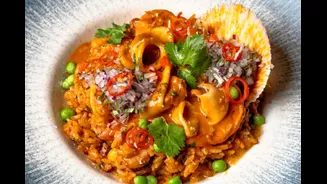
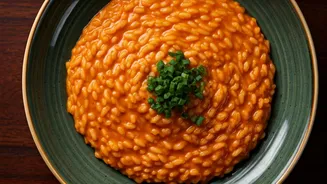
This recipe masterfully merges culinary traditions, offering an innovative take on comfort food. By integrating the fiery, fermented chili paste, gochujang,
into the classic Italian risotto, it caters to palates that crave more pronounced flavors and a hint of heat, a common preference in Indian cuisine. This isn't just a simple recipe; it's an exploration of how distinct global ingredients can harmonize to create something novel and deeply satisfying. The goal is to transform Arborio rice into a rich, velvety dish that feels both familiar and excitingly new, making it suitable for casual weeknight meals or more special occasions when you want to impress without spending hours in the kitchen. The inherent adaptability of risotto makes it an ideal canvas for introducing bold tastes like those found in Korean cooking, proving that cross-cultural culinary adventures can yield delicious results with minimal fuss.
Crafting the Gochujang Base
The journey to a flavorful gochujang risotto begins with carefully preparing the aromatics. Sautéing finely chopped shallots and minced garlic in olive oil (or chili oil for an extra kick) until they soften and become fragrant builds the foundational layer of taste. Next, the Arborio rice is introduced and toasted for a few minutes, allowing the grains to absorb the fragrant oil and become slightly translucent, a crucial step for texture. White wine is then added to deglaze the pan, introducing a subtle acidity that balances the richness. The true fusion magic happens when tomato paste and gochujang paste are stirred in and allowed to caramelize slightly, deepening their complex sweet and spicy notes. This concentrated flavor base is key to the dish's unique character, setting it apart from traditional risottos.
Gradual Stock Addition
Achieving the signature creamy texture of risotto relies on the patient, gradual addition of warm vegetable stock. The warm liquid is introduced about half a cup at a time, allowing the rice to absorb the moisture thoroughly before the next ladleful is added. This process, which should be done with frequent stirring, encourages the Arborio rice to release its starches, creating that lusciously smooth consistency. It's important to maintain a consistent, medium-low heat and stir often to prevent sticking and ensure even cooking. This slow and steady method is what transforms the humble rice grains into a cohesive, flowing dish. Anticipate this stage to take approximately 18 to 22 minutes, and have extra warm stock ready, as the exact amount needed can vary.
Seasoning and Finishing Touches
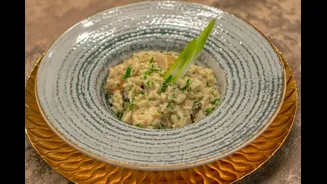
As the risotto nears completion, a careful balance of seasonings is introduced to enhance the gochujang's vibrant profile. Sriracha adds another layer of heat and tang, while salt, black pepper, a pinch of sugar to round out the spice, and gochugaru flakes for an extra visual and gustatory pop are stirred in. Adjusting these elements to personal taste is paramount. The final creamy texture is achieved by incorporating grated Parmesan cheese, which melts into the risotto, adding a savory depth. The dish should be loose and glossy, not stiff; if it seems too thick, a splash more warm stock can easily loosen it. After a brief resting period off the heat, the risotto is ready to be served, often enhanced with a drizzle of chili oil and a garnish of finely chopped chives for freshness and visual appeal. The crowning glory is often a generous dollop of creamy burrata, offering a cool, luxurious contrast to the spicy risotto.