





Understanding Svalbard's Seasons
Svalbard's seasons are extreme, governing activities and experiences. The Midnight Sun, from late April to late August, gives continuous daylight, ideal
for exploration. Conversely, the Polar Night from November to February brings 24-hour darkness, perfect for witnessing the Northern Lights. The shoulder seasons, March-April and September-October, offer transitions, with varying daylight and opportunities for both skiing and wildlife viewing. Therefore, understanding the seasonal differences is key for planning your Svalbard trip to enjoy the specific activities each period caters to.
The Midnight Sun's Reign
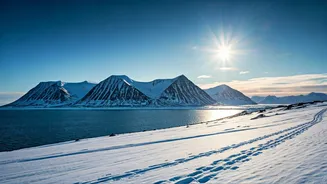
During the Midnight Sun, which starts in late April and continues through late August, Svalbard is bathed in continuous daylight. This period is ideal for a variety of outdoor activities because there's ample daylight for exploration. Hiking, boat trips, and wildlife viewing become prime pursuits. For instance, you could spend all day on a glacier and still catch the “sunset” at midnight. Be prepared for increased activity; the continuous sunlight energizes both tourists and local wildlife. Planning your itinerary around this phenomenon maximizes your chances to experience all Svalbard has to offer during this time, giving you the flexibility to be active any time of the day.
Embrace the Polar Night
From November to February, Svalbard experiences the Polar Night, a time of 24-hour darkness. While this might seem limiting, it presents a magical opportunity: the chance to view the Northern Lights. This period offers a unique appeal, with the potential for unparalleled aurora borealis displays. Activities such as snowmobiling under the dark sky become very popular and, if the sky is clear, allow for spectacular views of the aurora. Keep in mind that temperatures can be extremely cold during the Polar Night. Ensure you pack appropriate winter gear to stay warm and comfortable while enjoying the beauty of the Arctic winter.
Shoulder Season Delights
March-April and September-October are considered the shoulder seasons in Svalbard, providing transitional periods. March and April offer a mix of daylight and winter activities, such as skiing and snowmobiling, which extend the daylight hours, enhancing the outdoor experience. September and October see the beginning of the Polar Night, but daylight is still present, making wildlife viewing easier. These months provide an opportunity to experience both winter and summer activities without the extremes of the peak seasons. This is also a good time to view the Northern Lights before the Polar Night fully sets in. These periods provide great flexibility to enjoy the varied aspects of Svalbard.
Factors Impacting Your Trip
When deciding the best time to visit Svalbard, consider various elements, including your budget and the types of activities you wish to undertake. Accommodation prices and tour costs can fluctuate significantly depending on the season, with peak season generally being the most expensive. The accessibility of activities varies; some are weather-dependent, such as boat trips, while others, like snowmobiling, depend on snow and ice conditions. Additionally, your personal interests play a major role. If you're a photographer looking to capture the Northern Lights, the Polar Night might be the prime time. If you enjoy hiking, the Midnight Sun provides optimal daylight for extensive exploration. Plan your trip in light of these elements to ensure the best possible experience.
Activities by Season
Different seasons in Svalbard cater to various activities, making it important to plan accordingly. During the Midnight Sun, hiking, kayaking, and boat trips are at their peak. You can explore glaciers, observe wildlife, and experience the active summer scene. The Polar Night offers snowmobiling, dog sledding, and, most importantly, opportunities to see the Northern Lights. The shoulder seasons allow for a combination of both; skiing and snowmobiling are possible in the early spring, while wildlife viewing opportunities increase as the weather warms. Understanding which activities you would like to engage in before planning the trip will help you to select the best time for your Svalbard adventure.
Weather and Climate
The weather in Svalbard is a significant factor in travel planning. Temperatures vary drastically throughout the year, with summer months (June-August) averaging around 3–7°C (37–45°F). Winter temperatures can plummet to -20°C (-4°F) or even lower. Be prepared for changing weather conditions, including strong winds and precipitation, which can affect outdoor activities and overall comfort. Checking the weather forecast and packing suitable clothing for the conditions is vital. Layering your clothes will allow for flexibility. Considering the weather conditions in conjunction with your planned activities will enhance your trip's safety and enjoyment.
Safety and Precautions
Svalbard's remote environment requires you to prioritize safety. Always be aware of the potential for polar bears, especially outside of Longyearbyen. Carry appropriate safety gear, such as bear spray, and follow local guidelines. Inform someone about your plans before embarking on any outdoor activities. Check the weather forecasts. Additionally, ensure you have travel insurance covering medical emergencies, and prepare for limited access to medical facilities. Staying informed and taking necessary precautions will greatly contribute to a safer and more enjoyable experience, allowing you to appreciate the natural beauty of Svalbard with peace of mind. Safety precautions are critical when planning any outdoor activity in Svalbard.