




A River's Lost Vitality
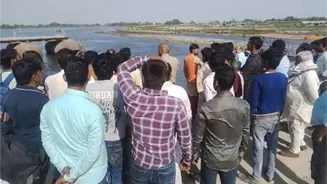
Suresh Kumar, a primary school teacher from Mallewala village in Sirsa, Haryana, reminisces about a past where the Ghaggar river, a vital artery for his
community, teemed with life and pristine waters. He recalls childhood days filled with fishing, swimming, and the everyday presence of clear, life-giving water. For decades, this monsoon-fed river was more than just a water source; it was the vibrant heart of his village, a place where women washed clothes, farmers watered their livestock, and children played freely. His college friends would often visit, enchanted by the river's natural beauty and the simple joy of impromptu boating excursions. This idyllic picture, however, stands in stark contrast to the present, where the river's condition is now a source of grave concern for the local populace.
Cancer Clusters Emerge
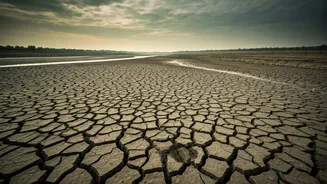
A distressing narrative is unfolding in villages situated along Haryana's Ghaggar river, with areas like Sirsa and Fatehabad reporting a significant escalation in cancer diagnoses. Residents voice strong suspicions that the contaminated water flowing through their communities is the primary culprit behind this surge in illness. This public health alarm has resonated within the corridors of power, prompting urgent calls for action from representatives in both the Parliament and the State Assembly. Specifically, political figures from Sirsa are advocating for immediate intervention to investigate and mitigate the suspected health crisis. However, the path to a solution is fraught with obstacles, including a notable absence of comprehensive data on cancer patients within the state and a severe deficit in adequate treatment facilities, particularly within the Sirsa district itself.