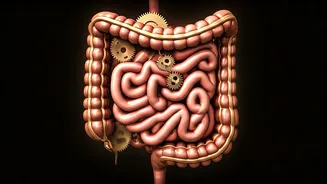







The Body's Internal Clock
Our bodies are governed by an intricate 24-hour internal timing system known as the circadian rhythm. This sophisticated biological clock, managed by a tiny
yet powerful region in the brain, orchestrates a myriad of physiological functions, including our sleep-wake cycles, hormone release, and even our appetites. Dr. Palaniappan Manickam, a US board-certified gastroenterologist, emphasizes that this internal clock dictates when various hormones, including those crucial for digestion, become active and then recede. Digestive hormones, for instance, are programmed to 'wake up' with the sunrise and 'wind down' by sunset, preparing the body for rest and repair. Conversely, hormones essential for bodily repair and regeneration become prominent during sleep, peaking in the middle of the night to mend tissues and muscles after the day's exertions. This intricate hormonal dance is deeply intertwined with our daily habits, making regularity a cornerstone of optimal bodily function.
Consistency Over Exact Times
While the notion of an ideal early dinner, around 6 PM, aligns with our biological predispositions, the actual clock time is less significant than maintaining a consistent eating schedule. For many individuals struggling with demanding work commitments and lengthy commutes, adhering to a very early dinner can be an unrealistic expectation. Dr. Manickam highlights that it's the predictability of the routine that truly benefits our digestive system and overall well-being. Whether you dine at 7 PM or 9 PM, what truly matters is establishing a regular pattern that your body can anticipate. This consistency allows your internal clock to better regulate digestive hormone release and metabolic processes, regardless of the precise hour. For example, someone who consistently dines at 9 PM and retires at 11:30 PM can still maintain good digestive health because their body has adapted to this predictable schedule. The key takeaway is that a reliable mealtime, aligned with your lifestyle, offers more health advantages than chasing an arbitrary early dinner hour.
Dinner and Sleep: The Crucial Gap
The interplay between your dinner timing and bedtime plays a significant role in digestive comfort and sleep quality. Dr. Adithya V. Naragund, a specialist in GI & HPB Surgery, points out that consuming food too close to bedtime can disrupt the body's natural transition into sleep. When digestion is still actively occurring as you lie down, the risk of experiencing issues like acid reflux, bloating, and fragmented sleep increases substantially. Allowing a sufficient interval of at least two to three hours between your last meal and retiring for the night provides your digestive system with ample time to process food efficiently. This gap ensures that your body isn't grappling with a heavy digestive load as it attempts to rest and repair. This strategic timing supports better alignment with your body's metabolic cycles and promotes a more restorative night's sleep, contributing to overall improved health.
Healthiest Evening Meal Choices
When an earlier dinner isn't feasible, optimizing the content and composition of your evening meal becomes paramount. Dr. Naragund advises that late dinners should ideally be lighter and easier to digest. Prioritizing meals rich in fiber, containing a moderate amount of protein, and low in heavy fats or deep-fried components can significantly enhance digestive tolerance at night. Conversely, large portion sizes, excessively spicy dishes, or high sugar content close to bedtime are likely to exacerbate digestive discomfort and interfere with sleep. Maintaining a consistent routine, where your dinner and sleep times remain relatively stable each day, also aids your body in adapting and fosters better digestive health. By making mindful choices about what and when you eat in the evening, you can mitigate potential digestive issues and support your body's natural rhythms.