




Rice: A Vital Crop
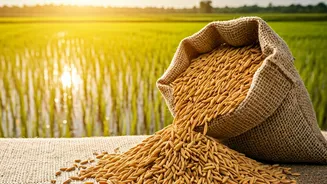
Rice stands as a cornerstone of Indian agriculture, a staple sustaining millions. The recent surge in rice production underscores its critical role in feeding
the nation and contributing to the economy. This growth reflects the advancements in farming practices and increased yields. But as production expands, attention must also be given to the sustainability of these practices. Increased rice cultivation, while beneficial in some aspects, has also intensified pressure on resources like water and created ecological imbalances. Therefore, understanding the intricacies of rice production, from cultivation methods to environmental impacts, is vital for a comprehensive grasp of India's agricultural landscape.
Food Security Concerns
The remarkable increase in rice production brings forth significant implications for India’s food security. While increased production may seem advantageous, it also poses some difficult problems. Over-reliance on rice as a staple, coupled with uneven distribution and access issues, could create potential vulnerabilities. The ability to guarantee that all citizens have access to affordable and nutritious food is critical. Simultaneously, the focus on rice can detract from the diversity of food, potentially leading to nutritional deficiencies. A balanced approach that values the broader variety of food resources and tackles logistical obstacles is essential for robust food security.
Water Resource Challenges
Rice cultivation is extremely water-intensive, and the burgeoning rice production in India exerts increased strain on water resources. Irrigation, essential for rice farming, can lead to groundwater depletion and affect water tables. Climate change adds to the complexities by influencing rainfall patterns and amplifying water scarcity in several regions. Efficient water management strategies are of paramount importance. These may include implementing more effective irrigation techniques, promoting water-saving methods among farmers, and encouraging the adoption of crops that require less water. Sustainable water practices are essential to ensure the long-term viability of rice production and the ecological balance of the areas that grow it.
Environmental and Climatic Concerns
Besides water, the environmental effects of the rice production boom must be taken into account. Rice cultivation is a contributor to greenhouse gas emissions, particularly methane, and impacts on air quality due to the burning of crop residue. Excessive use of fertilizers and pesticides can damage soil quality and lead to pollution of water sources. Climate change makes matters worse. It disrupts weather patterns, causing erratic rainfall and heat waves, which reduce yields and damage ecosystems. Mitigation measures, such as adopting environmentally friendly agricultural methods, promoting organic farming, and minimizing the use of chemicals, are important to promote environmental sustainability and combat the effects of climate change.
Policy to Practice
The journey toward sustainable rice production in India necessitates the implementation of effective policy and practical execution. Government initiatives that incentivize the adoption of sustainable farming methods are crucial. This includes offering subsidies for water-saving technologies, giving educational assistance to farmers regarding environmentally beneficial practices, and strengthening the enforcement of environmental regulations. There should also be a collaborative approach which entails cooperation between government bodies, research institutions, and farmers to ensure that knowledge and resources are shared. Making this transition demands a balanced strategy that takes into account the environment, the economy, and the needs of society, thereby ensuring the long-term viability of rice cultivation.