






Microwaving: A Healthy Choice
Microwaving vegetables stands out as a healthy cooking method, often compared with steaming. Both methods leverage minimal water, which helps in preserving
vital nutrients. When you microwave vegetables, you're essentially applying direct heat using microwave radiation. This process is generally quicker than other cooking techniques. The speed of microwaving significantly reduces the time that vegetables are exposed to heat. This, in turn, helps in minimizing the loss of water-soluble vitamins like vitamin C and B vitamins, which are sensitive to heat. This makes microwaving a convenient and health-conscious choice for everyday cooking.
Steaming's Nutrient Advantage
Steaming is another excellent cooking option, sharing similar health benefits with microwaving. It maintains the levels of antioxidants and phytonutrients. Steaming involves cooking vegetables with indirect heat, usually above boiling water. This gentler approach helps reduce the risk of nutrient degradation. In contrast to boiling, steaming keeps the vegetables from direct contact with water. This method's efficiency preserves the vegetables' original flavor and texture. As a result, steamed vegetables frequently retain more of their natural nutrients and present a more vibrant color. Both methods are great, but the specifics depend on the food and cooking goals.
Microwaving's Nutritional Perks
One of the standout advantages of microwaving is its ability to conserve essential vitamins. The quick cooking process helps retain water-soluble vitamins such as Vitamin C and B vitamins, nutrients often vulnerable to heat exposure. By limiting cooking time and water use, microwaving prevents the leaching of these vitamins into the cooking liquid. This makes microwaving a practical method for maintaining the nutritional value of your meals. The speed of the process further contributes to this, ensuring that vegetables retain a higher percentage of their original nutrient content. This feature makes microwaving a top choice for those looking to maximize nutritional intake while cooking.
Best Vegetables to Microwave
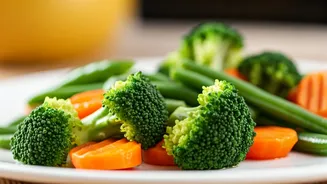
Certain vegetables respond particularly well to microwaving, making them ideal choices for this cooking technique. Examples include broccoli, spinach, and green beans. These vegetables tend to cook quickly and retain their texture and nutrients effectively under microwave conditions. Root vegetables like carrots and potatoes can also be microwaved, though they may require more cooking time. It’s always important to monitor the cooking progress and adjust the time as needed, to prevent overcooking. Consider adding a small amount of water to the dish before microwaving to help create steam and ensure even cooking, thus enhancing the overall experience.
Steaming's Suitable Choices
Steaming is also beneficial for various vegetables, and some fare better with this method. Vegetables such as broccoli, asparagus, and leafy greens benefit from steaming. The gentle heat helps preserve their delicate textures and flavors. When steaming, you can expect an even distribution of heat, which is excellent for producing tender-crisp vegetables. Steam cooking enhances flavors, especially for veggies with higher water content. This cooking process is perfect for maintaining the vegetable's natural color, texture and nutrients. Also, vegetables that are usually soft when cooked are the best to be cooked using this method.
Microwaving vs Steaming
While both cooking methods offer health advantages, the 'best' approach varies depending on the specific vegetable and cooking preferences. Microwaving, with its speed and efficiency, is excellent for retaining water-soluble vitamins. Steaming, on the other hand, excels in preserving phytonutrients and antioxidants through a gentle, indirect heat. Both are better than boiling, which can lead to significant nutrient loss. Choosing between the two often comes down to personal taste and time constraints. A simple comparison reveals that steaming often leads to better preservation of certain nutrients, while microwaving provides unmatched convenience. Both methods are superior for maximizing the nutritional value of your meals.