







Understanding the Chaos
A significant wave of flight disruptions is anticipated across Europe during the summer of 2026, impacting major travel hubs. Reports indicate hundreds
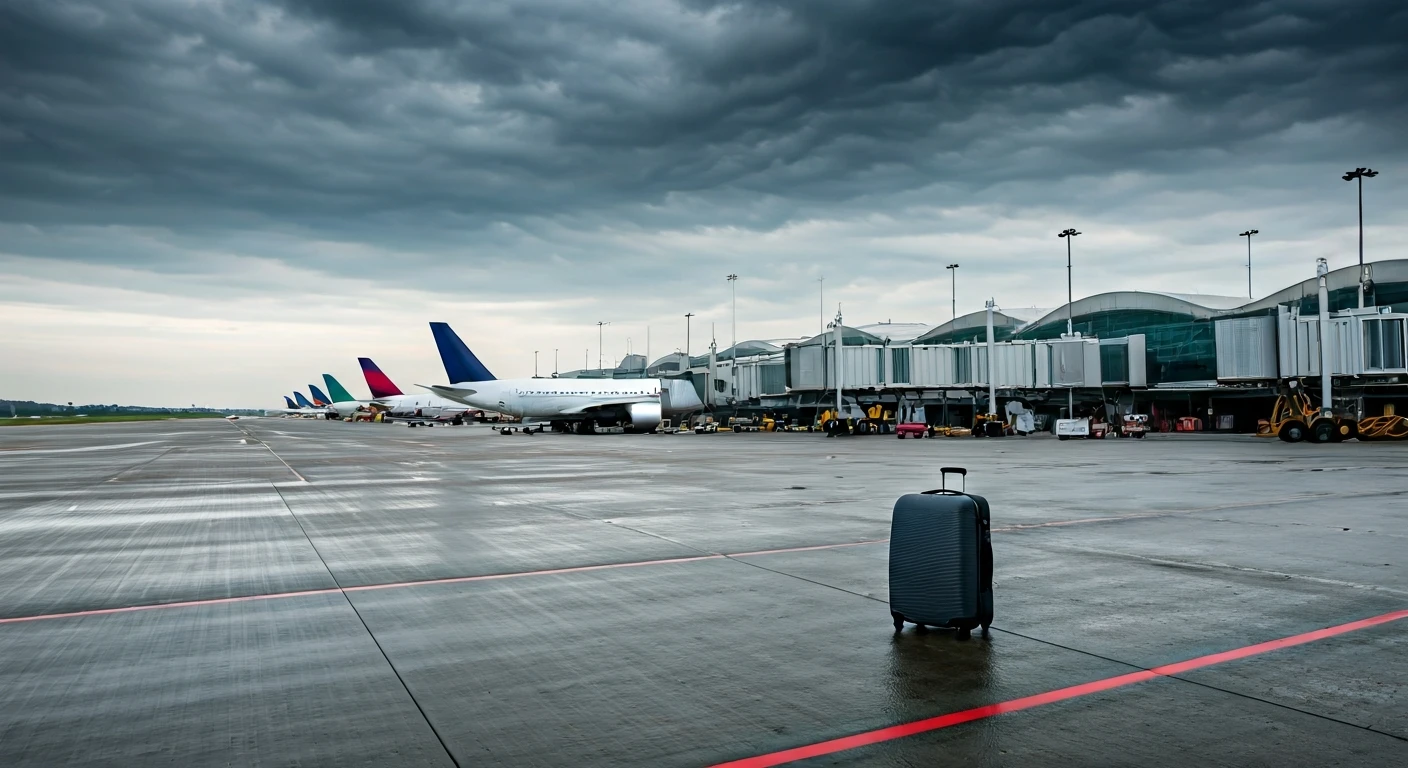
of flight cancellations and thousands of delays affecting prominent airlines like Ryanair, KLM, Vueling, and Lufthansa. Popular destinations such as Brussels, Madrid, Porto, and Dublin are particularly vulnerable, leaving numerous passengers in limbo. This widespread disruption stems from a confluence of factors, including industrial actions by airline and airport staff, persistent personnel deficits, complications with air traffic management systems, and adverse weather conditions. Compounding these issues are escalating operational expenditures, creating a challenging environment for both carriers and travelers. The aviation sector is finding it difficult to cope with the surge in passenger demand, exacerbated by ongoing labor disputes involving pilots, cabin crew, baggage handlers, and air traffic controllers, with Germany and Spain facing notable impacts. For instance, Lufthansa-related strikes in April and May of 2026 alone caused considerable flight interruptions, while continuing air traffic control disagreements in Spain have led to airport disruptions nationwide.
Staffing vs. Demand Imbalance
A critical factor contributing to Europe's aviation turmoil is the widening gap between the rapid rebound in passenger demand and the slower pace of workforce recovery. Many aviation sector employees departed their roles during the pandemic, and while passenger numbers have surged back much faster than anticipated, the recruitment and training of new staff have lagged significantly. This imbalance means that airports and airlines are operating with severely limited resources, struggling to manage the sheer volume of travelers. This strain on personnel affects all aspects of airport operations, from check-in and security to baggage handling and flight crew availability, creating bottlenecks that are difficult to resolve. The expert consensus suggests that the industry's recovery has outpaced its ability to rebuild its workforce, leading to increased pressure on existing staff and a higher likelihood of operational failures and delays.
Aging Infrastructure Woes
Europe's air traffic control infrastructure is a significant bottleneck, with many systems being outdated. These aging networks are increasingly susceptible to weather-related disruptions, leading to a constant rise in delays. Budget airlines, such as Ryanair and Vueling, which operate on very tight schedules with minimal buffer time between flights, are particularly hard-hit by these weather-induced delays. The lack of modern, efficient air traffic management systems means that even minor weather events can have a cascading effect, causing widespread cancellations and significant travel disruptions. The continuous weather challenges, including multiple storms that have already caused flooding and transport shutdowns in countries like Portugal, Spain, and Germany, further amplify the problem, severely impacting the tourism sector and traveler plans.
Rising Costs and Traveler Impact
Airlines are grappling with a substantial increase in operational costs, driven by elevated fuel prices, higher airport taxes, and escalating security charges. These rising expenses put financial pressure on carriers, which can translate into higher ticket prices or reduced service. For Indian travelers planning a European summer in 2026, this means a heightened need for vigilance. It is advisable to closely monitor airline applications for real-time updates, especially when flying with low-cost carriers, as they are more prone to schedule changes. Furthermore, travelers should remain aware of potential weather events that could impact their journeys. The implementation of Europe's new Entry/Exit System (EES) across the Schengen Area, a biometric border control system, is also expected to contribute to longer processing times at airports, potentially adding to delays. Despite these challenges, Europe remains a highly desirable destination, but preparedness for disruptions and longer waiting times is key for a smoother travel experience.