






Maturing vs. Receding
During adolescence, our bodies undergo significant transformations, and for many, appearance becomes a focal point. It's common for teenagers, particularly
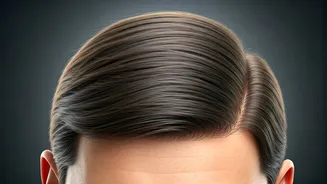
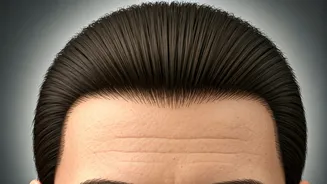
boys, to experience subtle shifts in their hairlines as their facial structures mature. Dermatologists explain that this natural progression, known as a maturing hairline, is typically gradual and even, often stabilizing without pronounced thinning. However, it's crucial to distinguish these normal changes from signs of actual hair loss. A clearly receding hairline or noticeable excessive hair shedding could indicate an underlying issue that warrants professional medical attention. Therefore, while some hairline alteration is part of adolescent development, it's vital to be aware of the differences to avoid unnecessary anxiety or to seek timely intervention if needed.
Unpacking the Causes
When a hairline seems to be moving backward prematurely, several factors can be at play, with genetics often taking the lead. Early-onset male pattern baldness can commence earlier than anticipated, characterized by a gradual shrinking of hair follicles. However, this genetic predisposition is seldom the sole contributor. Puberty brings a cascade of hormonal fluctuations, which can impact hair growth cycles. Furthermore, persistent stress, inadequate nutrition, and specific scalp conditions can all exacerbate changes in the hairline. Understanding these interconnected elements is key to identifying the root cause of early hair loss in teenagers, moving beyond simply observing the visual changes.
Recognizing the Signs
Differentiating between a naturally maturing hairline and genuine hair loss is paramount for appropriate management. A maturing hairline typically recedes in a uniform manner and then stabilizes, generally without significant thinning or patchiness. Conversely, premature hair loss might manifest more abruptly, often appearing uneven, particularly at the temples or the crown of the head. This type of hair loss may also be accompanied by an observable increase in the amount of hair shed daily. Paying close attention to these distinct patterns—uniformity and stability versus unevenness and increased shedding—can help teenagers and their guardians determine whether a consultation with a healthcare professional is necessary.
Seeking Expert Advice
For teenagers experiencing concerning hairline changes, medical professionals strongly caution against resorting to self-treatment or unverified quick fixes. Dermatologists emphasize the importance of seeking professional evaluation to accurately diagnose the cause of hair loss. Self-medication can sometimes worsen the problem or mask underlying issues. In conjunction with medical guidance, maintaining a healthy lifestyle plays a crucial supportive role. This includes adhering to a balanced diet rich in essential nutrients, effectively managing stress through various techniques, and adopting gentle hair care practices. These holistic approaches contribute to overall hair health and can help mitigate or manage hair loss effectively.