






Mastering Stitch Details
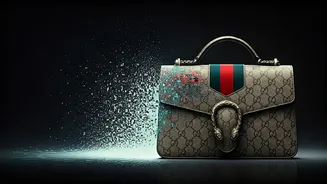
When evaluating a potential vintage designer bag online, the very first place to direct your keen eye is the stitching. Reputable luxury brands are synonymous
with impeccable craftsmanship, which translates into perfectly uniform and precise stitches across their creations. Interestingly, on items that were historically hand-stitched, you might observe a subtle inclination in the thread's direction; this isn't a flaw but rather a testament to genuine artisanal work. Conversely, any indications of loose threads, unraveling seams, or uneven stitching are significant warning signs that should prompt you to disengage from the sale immediately. The integrity of the stitching is a fundamental indicator of a bag's authenticity and the care taken in its creation, serving as a primary visual cue for discerning buyers.
The Power of Photos
In the realm of online transactions, high-quality photographs are your most critical tool for assessing a bag's authenticity. A seller genuinely committed to showcasing their item will provide an abundance of sharp, well-illuminated close-up images. These should meticulously detail every aspect of the bag, including its corners, the underside of zippers, interior linings, and any date codes or authenticity tags. A seller who resorts to using only generic stock photos or declines to furnish additional pictures should be approached with extreme caution. Furthermore, it's vital to remember that 'vintage' implies age. A bag that is decades old should naturally exhibit signs of wear and time; for instance, Vachetta leather on older pieces is expected to develop a rich, warm patina. A stark white appearance on a vintage leather bag is a considerable red flag. Likewise, an unbelievable discount of 80% on a desirable item, without any mention of significant damage, is a strong indicator of a counterfeit product.
Brand-Specific Markers
Every esteemed fashion house possesses its own unique authentication signatures, and understanding these can significantly enhance your ability to verify a bag. For instance, many classic designs from one particular French brand utilize hidden Date Codes instead of standard serial numbers, which reveal the manufacturing location and production year. Due to the way some of their iconic monogrammed bags are constructed from a single piece of material, the logos on the reverse side may appear upside down, a subtle but accurate detail. For another renowned Parisian label, authenticate by checking for a holographic sticker within the bag, a feature present since the mid-1980s, which must correspond precisely with the physical authenticity card. The brand's distinctive interlocking 'CC' logo also has specific alignment rules: the right 'C' should overlap the left at its upper portion, while the left 'C' overlaps the right at its base. Lastly, for a celebrated equestrian-inspired luxury house, the 'blind stamp' is paramount—a discreet alphanumeric code embossed directly into the leather, signifying the artisan responsible and the year of creation.
Hardware That Speaks
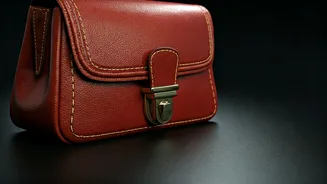
Beyond the materials and stitching, the quality of the metal hardware on a vintage designer bag offers crucial authentication clues. Authentic luxury hardware is typically substantial, possessing a pleasing weight and a uniform, consistent finish. If the metal appears hollow, plasticky, excessively shiny, or exhibits any signs of chipping, bubbling, or flaking, it's a strong indicator of a fake. Pay particularly close attention to the zippers, as high-end brands invest in superior quality components. You'll often find the names of reputable zipper manufacturers, such as Lampo (frequently associated with vintage designs from one Italian brand) or RiRi (a common find on pieces from another Italian luxury house), subtly stamped on the underside of the zipper pull. Any inscriptions or engravings on the hardware should be sharp, deep, and clearly defined, never shallow or smudged.
Professional Verification
While developing your own eye for authenticity is valuable, you don't have to shoulder the entire burden of verification alone, especially when investing a significant sum. Before finalizing a purchase, consider leveraging third-party authentication services. These companies can professionally review listing photos to offer an expert opinion on a bag's legitimacy. Even more reassuring is to exclusively shop from established and reputable consignment platforms. The leading platforms often employ advanced technology, including microscopic cameras and sophisticated AI systems, to meticulously compare a bag's materials against vast databases of genuine items. This process can yield a definitive certificate of authenticity, providing you with the utmost peace of mind as you embark on your search for authentic vintage treasures.