





The Prune Powerhouse
Constipation is a widespread issue that can significantly impact daily comfort and overall well-being. While numerous remedies exist, a nutritionist has
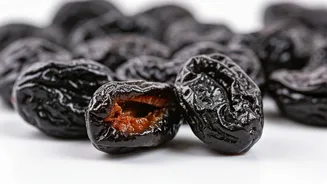
pinpointed a single, readily available food that can function as a potent natural medicine for this common ailment. This exceptional food is the humble prune, which is essentially a dried plum. Prunes have long been recognized for their natural laxative properties, a fact attributed to their rich fiber content and the presence of sorbitol. Sorbitol is a type of sugar alcohol naturally found in prunes that aids digestion by drawing water into the intestines. This process helps to soften the stool, making it easier to pass and thereby promoting regular bowel movements. Deepshika Jain, a nutritionist and diabetes educator, highlighted the efficacy of black prunes in a social media post, emphasizing their ability to effectively combat constipation.
How to Use Prunes
While the mention of prunes (aloo bukhara) might evoke images of their inclusion in savory dishes like biryanis and curries, nutritionist Deepshika Jain suggests that this culinary application isn't the most effective route for addressing constipation. For optimal health benefits, particularly for digestive relief, it's recommended to consume black prunes in their plain form. Jain advises a simple preparation method: soaking four to five black prunes in water overnight. The following morning, these softened prunes can be consumed on an empty stomach. This method ensures that the beneficial compounds within the prunes are readily available to work on your digestive system without interference from other foods. This straightforward approach maximizes the natural laxative effects of the fruit, offering a gentle yet powerful solution for constipation. The recommended serving size is typically small, with the option to gradually increase intake if necessary, always accompanied by ample water.
Nutritional Snapshot
Beyond their digestive benefits, prunes are a nutritional powerhouse, offering a spectrum of vitamins and minerals that contribute to overall health. A serving of five prunes, according to WebMD, contains approximately 104 calories, 1 gram of protein, negligible fat, 28 grams of carbohydrates, and a significant 3 grams of fiber. They also contain about 17 grams of natural sugars. Importantly, prunes are an excellent source of essential micronutrients, including potassium, vital for maintaining fluid balance and blood pressure; vitamin A, crucial for vision and immune function; vitamin C, an antioxidant that supports the immune system; vitamin K, important for blood clotting and bone health; iron, necessary for oxygen transport; manganese and copper, which play roles in various metabolic processes; and vitamin B6, involved in brain development and function. This rich nutritional profile underscores why prunes are more than just a natural laxative.
Broader Health Advantages
The benefits of incorporating black prunes into your diet extend well beyond just alleviating constipation. Their nutrient density contributes to a variety of positive health outcomes. Prunes are recognized for their ability to support bone health, potentially due to their vitamin K and mineral content. The antioxidants present in prunes help combat oxidative stress in the body, protecting cells from damage. Furthermore, regular consumption can aid in managing an overactive bladder, a condition sometimes linked with constipation. They also play a role in nurturing a healthy gut microbiome, fostering a balanced environment for beneficial bacteria in your digestive tract. Emerging research also suggests that prunes may contribute to lowering blood pressure, further enhancing their cardiovascular benefits. These multifaceted advantages make prunes a valuable addition to a balanced and health-conscious diet.