



A New Commute
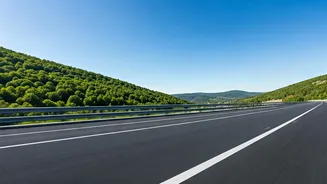
The much-anticipated Delhi-Dehradun Expressway is poised to transform inter-city travel, significantly cutting down the journey time between India's capital
and the gateway to Uttarakhand. Originally a lengthy 6-hour trip, the new expressway aims to bring this down to a mere 2.5 hours. This remarkable development is set to benefit not only daily commuters but also tourists and businesses alike. Furthermore, the expressway is expected to shorten the travel duration to Haridwar, another popular pilgrimage and tourist destination, to approximately 2 hours. This infrastructure project represents a major leap forward in connectivity, promising to boost regional economic activity and enhance the ease of travel for millions.
The Scenic Route
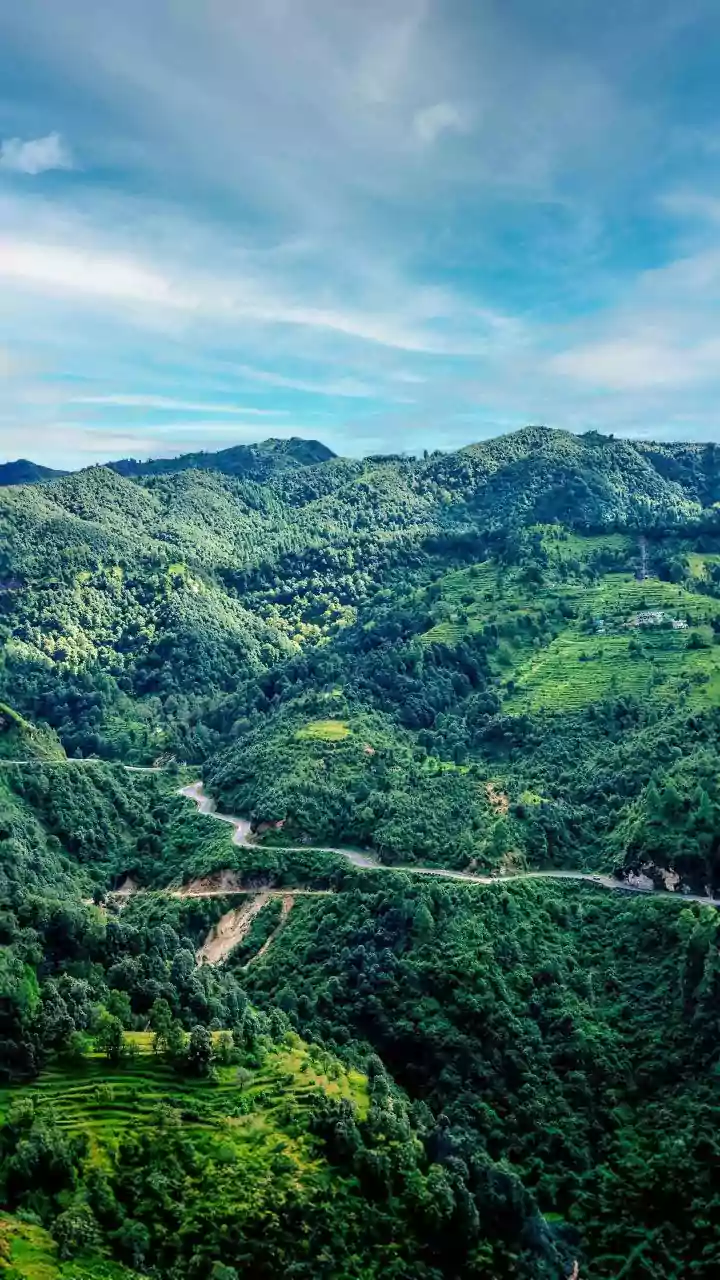
This expansive expressway embarks on its journey from the iconic Akshardham Temple in Delhi, guiding travelers directly to Dehradun, the capital of Uttarakhand. Along its path, the expressway gracefully traverses through key districts in Uttar Pradesh, including Baghpat, Baraut, Muzaffarnagar, Shamli, and Saharanpur. This strategic routing ensures that several important towns and cities are directly connected, fostering development and improving accessibility for the communities residing in these areas. The route has been meticulously planned to offer a smooth and efficient passage, minimizing travel disruptions and maximizing convenience for all users.
Toll and Interchanges
For users of the Delhi-Dehradun Expressway, the experience will be managed through a network of five toll plazas and twelve strategically placed interchanges. These points will facilitate seamless entry and exit onto the expressway. For private car owners, the estimated one-way toll fee is set at approximately Rs 675. This fee structure is designed to help recoup the significant investment in the expressway's construction and maintenance, while also contributing to the upkeep of the infrastructure to ensure continued safety and efficiency for all travelers. The multiple interchanges ensure that commuters can access the expressway from various points along its extensive length.
Distance and Wildlife
Spanning an impressive total length of approximately 210 kilometers, the Delhi-Dehradun Expressway is a substantial infrastructure project. A particularly noteworthy feature of this expressway is an elevated stretch measuring 10.97 kilometers, meticulously constructed through the sensitive Rajaji National Park. This elevated segment is a testament to the project's commitment to environmental conservation, designed specifically to provide a safe passage for the diverse wildlife inhabiting the park, thereby minimizing human-animal conflict and preserving the natural ecosystem. The overall length ensures a direct and efficient link between the two major cities.
Cost and Connectivity
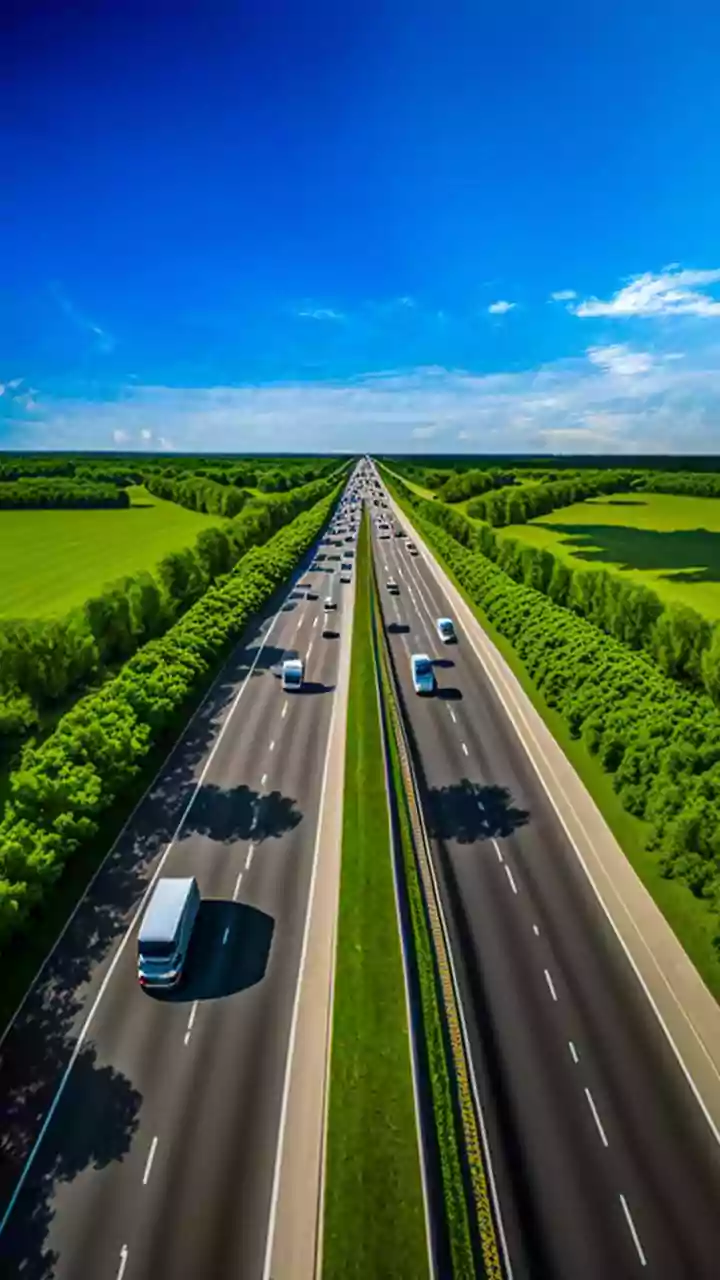
The construction of this state-of-the-art, six-lane Delhi-Dehradun Expressway represents a significant financial undertaking, with an estimated cost of approximately Rs 12,000 crore. This substantial investment is aimed at not only improving transportation but also at stimulating economic growth within the region, particularly by boosting tourism and facilitating business activities. The expressway is also designed with future connectivity in mind, featuring a spur that connects to Haridwar and integrates with the prominent Char Dhaam Highway, further enhancing its importance as a vital artery for travel and commerce in Northern India. The speed limit on this modern highway is set at 100 km/h for optimal travel.