







The Foundation of Flavor
Crafting delicious pasta begins with understanding the fundamental elements: water, salt, and the pasta itself. A generous volume of water is crucial,
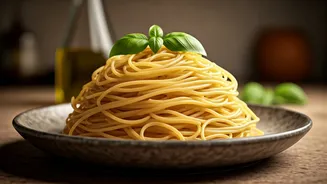
allowing the pasta to cook uniformly and preventing it from clumping together. The addition of salt is not merely for seasoning; it actively infuses flavor into the pasta from within, much like the ocean's salinity. Aim for water that tastes noticeably, yet pleasantly, salty. Any dried pasta shape, whether spaghetti, penne, or rotini, will work, but remember that cooking times can differ significantly based on the specific shape and brand you select. Always refer to the package for precise timing, as this is your most reliable guide to achieving the desired texture.
Cooking & Draining Techniques
Bringing a large pot of water to a vigorous, rolling boil is the first step in the cooking process. Once the water is boiling intensely, add your salt until it achieves a lightly salty taste. Then, introduce your chosen pasta to the boiling water. It's important to stir the pasta once or twice within the first few minutes to prevent any strands or pieces from sticking to each other or the bottom of the pot. Continue to cook the pasta according to the instructions on the package, testing for doneness a minute or so before the recommended time. You're aiming for 'al dente,' which means tender but with a slight, pleasant bite. Crucially, if your recipe requires pasta water for the sauce, reserve about a cup of this starchy liquid before draining the rest. Drain the pasta thoroughly and proceed immediately with incorporating it into your dish.
Adapting for Hot and Cold Dishes
The way you finish your pasta depends entirely on whether it will be served hot or cold. For hot pasta dishes, such as those tossed with sauce immediately after cooking, drain the pasta and use it directly without rinsing. Rinsing hot pasta removes the starch that helps sauces adhere beautifully. In contrast, if you're preparing a cold pasta salad or another chilled dish, it's beneficial to rinse the pasta under cold water. This rapid cooling stops the cooking process and prevents the pasta from becoming gummy. This distinction is key to ensuring your pasta holds its texture and flavor profile appropriately for its final presentation.
Smart Pasta Habits
Beyond the basic cooking steps, several practical tips can significantly enhance your pasta game. Avoid the common mistake of adding oil to the cooking water; this creates a slippery surface on the pasta that repels sauce. Instead, rely on the reserved pasta water to emulsify and thicken your sauces, binding them to the noodles. When reserving pasta water, a simple trick is to place a measuring cup or ladle into your colander before draining, ensuring you don't forget this valuable ingredient. For make-ahead pasta, cook it until just al dente, rinse it to cool, and then refrigerate. To reheat, gently warm it in your sauce or give it a quick dip in boiling water to revive its texture.
Versatile Pasta Applications
Cooked pasta serves as an incredibly versatile foundation for a vast array of meals. Consider classic pairings like Spaghetti and Meatballs, where tender pasta cradles rich sauce and savory meatballs. For a lighter, vibrant option, Pasta Primavera showcases seasonal vegetables in a delightful mix. Creamy Artichoke Pasta offers a quick and flavorful weeknight solution. For ultimate comfort, Baked Mac and Cheese, crowned with a crispy topping, is a perennial favorite, as is Baked Ziti, perfect for feeding a group. Even simpler dishes like Buttered Noodles are guaranteed crowd-pleasers. Furthermore, pasta is ideal for make-ahead Pasta Salads, making it a go-to for potlucks and picnics.