


Choosing the Right Pot
When cultivating sunflowers in pots, selecting the appropriate container is paramount for root development and overall plant health. Opt for pots that
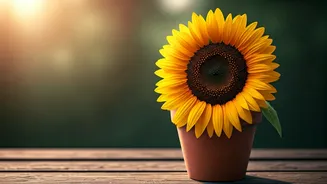
prioritize depth over width, with a minimum depth of 12 to 16 inches generally sufficing for most container varieties. The most critical feature, however, is robust drainage. Ensure excess water can escape freely to prevent waterlogged soil, which can lead to root rot. Terracotta or clay pots are often recommended as they offer excellent stability and help regulate soil moisture levels, creating an optimal environment for your sunflower's roots to thrive. This foundational step ensures your plant has the best possible start.
Seed Selection for Containers
For successful sunflower cultivation in pots, choosing the right type of seed is crucial. Shorter, more manageable sunflower varieties are distinctly better suited for container gardening. These cultivars are less prone to becoming top-heavy or unstable, making them easier to care for in everyday living spaces. Look for seeds specifically marketed for small gardens or container use; these are bred to remain at a more compact size, ensuring they won't outgrow their pot too quickly or require extensive staking. By selecting these dwarf or patio varieties, you significantly increase your chances of achieving beautiful blooms without the challenges associated with taller types in confined spaces.
Crafting Ideal Potting Soil
Sunflowers flourish in a well-aerated and loose soil medium that facilitates healthy root growth and adequate moisture retention. A carefully prepared potting mix is key to their success. Combining standard garden soil with nutrient-rich compost and a small amount of sand creates a blend that is both breathable and capable of holding sufficient moisture without becoming compacted. This balanced soil composition provides the essential nutrients and structure for sunflower seeds to germinate and establish a strong root system. A good start with the right soil mix will set the stage for robust plant development throughout the growing season.
Planting Sunflower Seeds
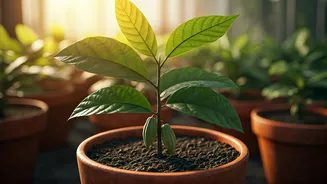
The process of planting sunflower seeds in pots is straightforward and rewarding. Create small indentations in your prepared soil, approximately two centimeters deep, and place one or two seeds in each. Gently cover the seeds with soil and water lightly, ensuring the soil is consistently damp but not waterlogged. Within a few days, you should observe small, vibrant green shoots emerging from the soil, signaling the successful germination of your sunflower seeds. This initial planting phase requires minimal intervention, allowing nature to take its course in sprouting new life.
Sunlight Needs
Sunflowers are aptly named, as they have an insatiable appetite for sunlight. To achieve the most vibrant blooms and healthy growth, place your potted sunflowers in a location that receives direct sunlight for a significant portion of the day. Aim for a spot that offers at least five to six hours of uninterrupted sun daily. As the sunflowers grow, you'll notice their natural inclination to turn their heads towards the light source, a fascinating behavior that demonstrates their continuous quest for solar energy. Meeting this fundamental need for ample sunlight is one of the most critical factors in cultivating successful sunflowers.
Watering Wisely
Consistent moisture is more important than a rigid watering schedule for potted sunflowers. Rather than adhering to a fixed routine, it's best to gauge the soil's dryness. Gently touch the top layer of soil; if it feels dry to the touch, it's time to water. During warmer periods, you may need to water more frequently, while cooler temperatures call for less frequent watering. The goal is to maintain a state of even dampness without allowing the soil to become waterlogged. This adaptive approach ensures the roots receive the hydration they need without suffering from overwatering.
Thinning Seedlings
If multiple seeds sprout in the same pot or close proximity, thinning the seedlings is a vital step for robust growth. When more than one shoot emerges from a single planting spot, it's beneficial to gently remove the weaker seedlings. This practice ensures that the strongest plant has ample space, nutrients, and sunlight to develop fully without competition. By allowing only one or two vigorous plants per pot, you encourage them to grow taller and produce more impressive blooms, as their resources are not divided among numerous smaller plants.
Providing Stem Support
As your sunflowers mature and their stems begin to lengthen, they may require a bit of assistance to remain upright. Providing support is a simple yet effective way to prevent them from bending or breaking under their own weight, especially as they develop heavy flower heads. Gently insert a stake or cane into the soil near the stem, taking care not to damage the roots. Loosely tie the stem to the support using twine or soft ties. This gentle support system will help maintain the plant's stability without restricting its natural growth.
Light Feeding
Sunflowers are not particularly demanding feeders, and an overly rich diet can sometimes be detrimental. A light application of fertilizer or compost every few weeks is generally sufficient to nourish your potted plants. This moderate feeding approach helps maintain healthy growth and supports the development of their characteristic blooms. By providing a gentle boost of nutrients, you ensure your sunflowers receive the sustenance they need to thrive without risking over-fertilization, which can lead to leggy growth or other imbalances.
The Joy of Blooms
The culmination of your efforts is the appearance of the sunflower bud, which gradually unfurls into a magnificent, bright yellow flower. Once it blooms, the sunflower engages in its remarkable heliotropic behavior, tracking the sun's path across the sky throughout the day. This captivating display adds a dynamic element to your garden or living space. Observing this natural phenomenon and enjoying the cheerful presence of your blooming sunflowers offers a deeply satisfying reward for your gardening endeavors, transforming your environment with natural beauty.