




The Grand Vision
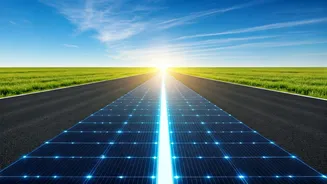
The concept of solar roadways presented an exciting prospect: imagine durable, driveable surfaces embedded with photovoltaic solar cells, essentially transforming
our roads and pathways into vast energy-generating systems. A notable early endeavor, the WattWay project in France, aimed to construct a colossal 620-mile (1,000 km) solar highway, with the ambitious goal of powering up to 5 million homes. This initiative, launched with a trial section of one kilometer (0.62 miles) in Normandy, aimed to harness solar energy directly from the infrastructure beneath our feet. The underlying idea was to replace conventional road materials with robust glass panels containing solar technology, creating a functional and sustainable energy source integrated into daily life. The potential to generate electricity from something as ubiquitous as roads captured the imagination, promising a cleaner and more innovative future for energy production and transportation infrastructure.
Harsh Realities Emerge
However, the ambitious dream of WattWay quickly encountered significant obstacles, leading to its discontinuation in 2019. The chosen location in Normandy proved to be a suboptimal choice due to its limited annual sunshine, a glaring oversight in the project's planning. Beyond the climatic challenges, the physical integrity of the solar panels became a major concern. These panels frequently experienced damage or became dislodged, necessitating constant and costly repairs. This escalating maintenance expense, even for the relatively small trial section, proved to be prohibitively high. Similar issues plagued other solar road projects in the United States and China, highlighting a pattern of financial and practical difficulties in implementing this innovative technology on a large scale. The initial promise began to fade as the practical challenges of durability and upkeep became undeniably apparent, casting a shadow over the viability of the solar roadway concept.
Cost and Practicality Hurdles
The fundamental materials used in road construction, like asphalt, are favored for their affordability and ease of maintenance. In stark contrast, solar panels, particularly when intended for road surfaces, are neither cost-effective nor low-maintenance. The initial investment and installation costs are substantially higher, and the production of these specialized panels demands significant energy and resources, creating an initial net negative environmental impact. Furthermore, the very nature of roads would be fundamentally altered. Vehicles are not designed to operate on glass surfaces, leading to potential issues with traction for tires. The structural integrity of these panels is also highly questionable when subjected to the immense weight of commercial trucks, heavy equipment, and buses, raising serious safety concerns. These combined factors have led to the failure of most solar road initiatives, despite the proven benefits of standard solar panels in other applications.
Future Prospects and Innovation
Despite the setbacks, the concept of solar roadways is not necessarily relegated to the past. Ongoing advancements in solar panel technology could pave the way for future successes. Scientists are developing more durable solar panels capable of withstanding extreme temperatures, which could make them viable for lower-traffic areas like parking lots, bicycle paths, and pedestrian walkways. The potential integration of self-healing panel technology would significantly enhance their longevity and reduce maintenance needs, proving particularly beneficial for these less demanding applications. Furthermore, research is focused on making solar panels more efficient and cost-effective. It's conceivable that future iterations could offer durable, multi-functional, and self-healing solar panels suitable for integration into various surfaces, potentially even revitalizing the solar roadway concept for broader use. While the technology is not yet ready for widespread adoption in place of traditional road materials, ongoing innovation suggests that a viable solution might emerge in the future.