





The Viral Illusion Explained
A captivating optical illusion has taken the internet by storm, offering a lighthearted yet surprisingly insightful glimpse into how individuals approach
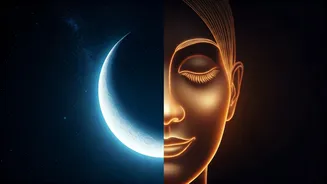
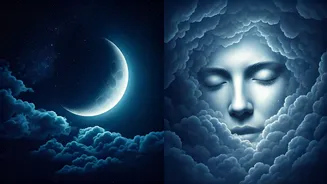
romantic connections and emotional intimacy. This visual puzzle, which can be perceived as either a cheerful smiling face or a serene moon, has become a popular tool for self-discovery. Developed and shared by optical illusion specialist Mia Yilin on TikTok, the test invites viewers to simply observe the image and note their immediate perception. The underlying premise is that this initial reaction can subtly highlight whether one tends to be more open and trusting, or more reserved and protected, when it comes to matters of the heart. The widespread appeal stems from how accurately participants feel the interpretations resonate with their personal experiences, often describing the results as "scarily accurate" and eerily reflective of their inner emotional landscape. It serves as a simple, engaging method to ponder one's own relationship tendencies.
Seeing the Smiling Face
If your initial focus lands on the smiling face within the illusion, the interpretation suggests you possess an inherently warm and empathetic disposition in your relationships. Those around you likely perceive you as an exceptionally kind and considerate individual, someone who readily extends forgiveness and prioritizes understanding others before forming judgments. Mia Yilin characterizes individuals who see the face first as "super kind and considerate," individuals who consistently offer others the benefit of the doubt and often place the comfort and well-being of their partners or friends above their own immediate needs. You might be the steadfast listener during late-night conversations, the reassuring presence, or the one who carefully considers the impact of their words. However, this open-heartedness can also be linked to a subtle, underlying fear of being misunderstood or unfairly blamed. Experiencing accusations that feel unjust can be deeply wounding, and a quiet worry might persist about whether you'll ever find someone who truly comprehends your inner world. This very openness, while a beautiful trait, can also render you more sensitive to misinterpretations or feeling like your emotions are "too much" in a society that sometimes values emotional restraint.
Spotting the Moon
For those whose eyes are immediately drawn to the moon, the interpretation points towards a more intense and deeply romantic approach to relationships. You are often the type to fall profoundly in love, experiencing emotions with great depth and carrying affection like a constant, quiet ember. This inclination may lead others to describe you as a "hopeless romantic," someone who cherishes grand romantic gestures, profound conversations, and deep emotional bonds. Mia explains that individuals who perceive the moon first are "passionate, romantic, and full of love to give," yet they also exhibit a degree of caution when it comes to completely entrusting their hearts to another. This deep capacity for care inherently brings a fear of being hurt. The act of opening up can feel akin to standing on a precipice – breathtakingly beautiful but undeniably vulnerable. Because your emotional experiences run so deep, your life can sometimes feel like an emotional journey with significant highs and lows. When you are joyful, your radiance is palpable, your energy infectious, and your outlook optimistic. Conversely, when sadness strikes, the resulting low can feel overwhelming and all-consuming. You might question if this intensity is "too much," perhaps forgetting that it is precisely this depth of feeling that imbues your love with such authenticity, fierceness, and profound meaning. The essence of this test lies not in assigning labels or determining right versus wrong feelings, but in acknowledging the unique shape of your heart, whether it’s the gentle strength of the smiling-face individual or the profound emotional landscape of the moon-lover. Both forms of expressing love are entirely valid and represent beautiful facets of the human experience.