




Classic Chocolate Delight
This section covers the traditional chocolate cake. A recipe typically begins with creaming together butter and sugar, followed by adding eggs one at a time.
Then, dry ingredients like flour, cocoa powder, baking soda, and baking powder are gently mixed in. Finally, the batter is baked until a toothpick inserted comes out clean. Frosting options are diverse, from simple buttercream to rich chocolate ganache. You can also explore different flavor infusions by adding coffee, vanilla extract, or even a hint of spices such as cinnamon. The key to success is measuring ingredients accurately and avoiding over-mixing, which can lead to a tough cake. The cake can then be enjoyed plain or adorned with various toppings to enhance the presentation.
Fudgy Chocolate Brownies
Brownies, a variation of chocolate cake, offer a denser, chewier texture. These recipes typically emphasize the quality of cocoa powder and often use melted butter rather than creamed butter. Eggs are incorporated to bind the mixture, and sugar provides sweetness and structure. Flour is added, but in smaller quantities compared to a cake, leading to the fudgy result. Chocolate chips and nuts, such as walnuts or pecans, are frequently included for texture and flavor variation. The baking time is crucial, with slightly under-baking ensuring the desired fudgy consistency. Served warm or at room temperature, these brownies are a treat. You might also experiment with additions like espresso powder for a deep flavor or different types of chocolate for varied richness.
Moist Chocolate Cupcakes
Cupcakes offer individual portions of chocolate cake, ideal for parties or quick treats. These recipes usually involve a similar base as classic chocolate cake, but the baking time is shorter, to suit their size. The cupcake batter is poured into paper liners within muffin tins, ensuring even baking. Frosting is an essential element, with buttercream, cream cheese frosting, and chocolate ganache as popular choices. Cupcakes can be decorated with sprinkles, candies, or edible decorations to add visual appeal. Baking at the correct temperature prevents dryness, and using high-quality ingredients enhances the flavor. These individual cakes offer convenience, flavor, and visual appeal, being suitable for any event.
Decadent Chocolate Cake
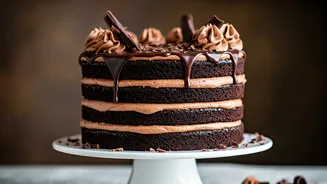
Decadent chocolate cake recipes showcase the rich and luxurious side of chocolate. These recipes often include multiple types of chocolate, such as unsweetened, semisweet, and milk chocolate, to create a complex flavor profile. Ingredients like sour cream, buttermilk, or yogurt are added to increase moisture and tenderness. The use of espresso powder enhances the chocolate flavor, while ingredients like cocoa powder and chocolate extracts further enrich the taste. Layers are frequently combined with lavish frostings, like chocolate ganache or mousse. These cakes are often meant for special occasions, creating an opulent dessert experience. Decorations include chocolate shavings, fresh berries, or edible gold leaf for a striking presentation.
Chocolate Lava Cakes
Chocolate lava cakes offer a delightful contrast of textures: a molten chocolate center encased in a tender cake. The recipes are generally quick, making them ideal for a last-minute dessert. These cakes use a high percentage of chocolate, along with butter, eggs, and sugar for a rich flavor. The key is in the baking time – it is necessary to underbake the cakes to achieve the flowing center. These can be served immediately with a scoop of vanilla ice cream or a dusting of powdered sugar. The simplicity of preparation, combined with the decadent taste, makes lava cakes a fantastic choice for a quick but elegant dessert. Variations include adding a hint of chili or cayenne pepper for a spicy kick.
Gluten-Free Chocolate Treats
Gluten-free chocolate cake recipes cater to dietary needs. These recipes use gluten-free flours such as almond flour, coconut flour, or a gluten-free flour blend. Chocolate is always the star; cocoa powder or melted chocolate is usually added. Structure is maintained through the inclusion of eggs and often other binding ingredients. Moistness is crucial, with ingredients like applesauce or yogurt included. These cakes can be frosted with dairy-free frosting or even avocado chocolate mousse for a health-conscious but flavorful dessert. Experimenting with different flours will adjust the texture, with many recipes still delivering on the rich chocolate taste and satisfying results despite their restrictions.
Vegan Chocolate Recipes
Vegan chocolate cakes omit all animal products. These recipes make use of ingredients like plant-based milk (almond, soy, or oat), vegan butter or oil, and flax eggs (ground flaxseed mixed with water). Cocoa powder and melted chocolate are essential for richness and flavor. These cakes use baking soda and baking powder for a rise, and sweeteners like maple syrup or agave nectar provide sweetness. Frostings are also vegan-friendly, often made from coconut cream, cashew cream, or vegan chocolate ganache. These cakes prove that you can still experience the rich taste of chocolate without using animal-derived ingredients, making vegan baking accessible and enjoyable.
Chocolate Mousse Cakes
Chocolate mousse cakes add an element of lightness and airiness to the decadent nature of chocolate. These recipes often begin with a classic chocolate cake base, topped with a chocolate mousse. The mousse is prepared with whipped cream, melted chocolate, and sometimes egg whites to create a light and fluffy texture. Gelatin is occasionally included to help the mousse set. The cake can be assembled in layers or as a single-layer cake with the mousse on top. Garnishes may include chocolate shavings, fresh berries, or chocolate sauce. The contrast of the airy mousse with the cake creates a balance of textures, providing a more complex and elegant dessert experience. The flavor often depends on the quality of chocolate used, creating a rich chocolate experience.
Simple No-Bake Cakes
No-bake chocolate cake recipes are designed to save time. These cakes use ingredients like cookies (such as chocolate wafers or graham crackers) as a base, combined with melted chocolate, butter, and often sweetened condensed milk. Layers are built, typically chilled, until firm. Frostings are simple, often comprising melted chocolate, ganache, or whipped cream. No-bake cakes are excellent for beginners or when an oven isn't readily accessible. They are known for their ease of preparation and the delicious taste of chocolate. Variations may include adding coffee granules for depth of flavor, or nuts and candies to add texture. These recipes offer a convenient way to get a satisfying chocolate cake experience without the need for an oven.
Unique Chocolate Variations
This section delves into the creative side of chocolate cake making. Some recipes might involve incorporating ingredients like red wine, chili peppers, or sea salt to enhance flavor profiles. There may be recipes including different flavors like salted caramel, or peanut butter swirls to enrich the chocolate. Cakes using unique flours such as spelt or teff will also be explored. The use of unconventional toppings, like fresh herbs or edible flowers, adds visual appeal and unexpected flavors. These recipes give bakers the chance to get creative and showcase their innovation while still enjoying chocolate cakes. These inventive recipes encourage exploration and help the development of personal approaches to baking with chocolate.
Cake Decorating Tips
Decorating a chocolate cake can improve its presentation. Frosting techniques include using a spatula for smooth surfaces or piping bags for intricate designs. Chocolate ganache and buttercream frostings are often used and can be enhanced using food coloring. Garnish options include chocolate shavings, fresh berries, candies, or nuts. Practice frosting skills to achieve professional-looking results. Mastering these techniques transforms an ordinary cake into a celebration-ready treat. The addition of personalized decorations or handwritten messages creates a personal touch and makes it memorable. Decorating provides a chance for creativity and personalization, boosting the final presentation.
Troubleshooting Chocolate Cakes
Sometimes, chocolate cake baking can present challenges. Cake sinking in the middle suggests underbaking or too much liquid in the batter. Over-baking can result in dryness. Cracking on top can result from high oven temperatures. A cake that sticks to the pan suggests that it was not greased. To prevent these, preheat the oven accurately, measure ingredients carefully, and utilize the correct baking time. Cool the cake completely before frosting. If a cake collapses, it can still be salvaged by using it in a trifle or cake pops. Correcting these problems with attention to detail enables bakers to bake perfect chocolate cakes consistently, enhancing their confidence.
Serving and Storage
Proper serving and storage preserve the flavor and quality of chocolate cakes. Let cakes cool completely before frosting to avoid melting. Slice the cake with a serrated knife for neat cuts. Store leftover cake in an airtight container at room temperature for up to a few days or in the refrigerator for longer. Cakes can also be frozen, well-wrapped to maintain their moisture, and thawed before serving. This practice retains freshness and prevents the cake from drying out. Serving chocolate cakes with a beverage such as coffee or milk enhances the eating experience. Careful storage means you can enjoy the deliciousness of chocolate cake whenever you want to.