






Alcohol's Hidden Toll
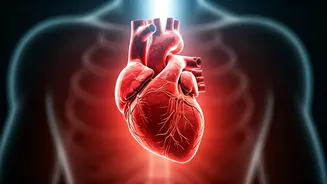
Alcohol consumption triggers a cascade of hormonal and inflammatory responses throughout your body, significantly impacting both your metabolic and cardiovascular
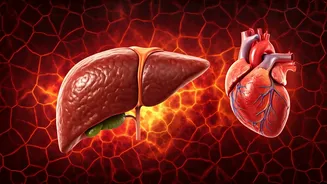
systems. It elevates stress hormones like cortisol and releases pro-inflammatory cytokines, fostering a state of chronic inflammation. This persistent inflammation is a known precursor to a host of long-term health issues, including metabolic disorders and cardiovascular disease. The liver, being the body's primary detoxification organ, bears a substantial brunt of this damage, often initiating the process subtly and without immediate warning signs. Understanding these initial effects is key to recognizing the silent damage alcohol can inflict.
The Liver's Silent Struggle
The liver is one of the most vulnerable organs to the effects of excessive alcohol intake, often entering a silent phase known as fatty liver disease. In this initial stage, alcohol leads to an accumulation of fat within the liver cells, a condition that typically presents no overt symptoms. Many individuals remain unaware that their liver is undergoing damage until the condition progresses. If alcohol consumption continues unabated, the fatty liver can advance to alcoholic hepatitis. This stage is characterized by inflammation and injury to the liver tissue, which may manifest as mild fever, discomfort in the abdominal region, and a general feeling of fatigue. Recognizing these subtle signs is crucial for early intervention.
Cirrhosis: A Critical Stage
Should the pattern of alcohol abuse persist, the liver's condition can deteriorate further, leading to a severe and often irreversible ailment known as cirrhosis. This advanced stage signifies extensive scarring of the liver tissue, profoundly impairing its function. Individuals suffering from cirrhosis may experience pronounced symptoms such as jaundice, a yellowing of the skin and eyes, vomiting blood, and significant abdominal swelling due to fluid buildup (ascites). At this juncture, the complications arising from liver damage can become life-threatening, underscoring the critical need to halt alcohol intake long before reaching this point.
Prevention: The Ultimate Shield
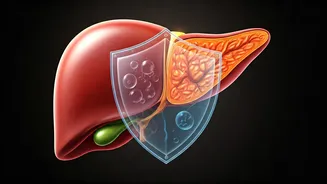
The most potent and direct method to avert alcohol-related liver diseases is complete abstinence from alcohol. This preventative measure is both straightforward and remarkably effective. Beyond avoiding alcohol, safeguarding liver health involves comprehensive hepatitis prevention. This includes vital measures such as receiving vaccinations for Hepatitis A and B, ensuring the consumption of clean water and hygienic food, and screening all expectant mothers for Hepatitis B and C during pregnancy. Furthermore, avoiding the sharing of needles and discontinuing practices like drug addiction are critical steps in preventing the spread and impact of viral hepatitis.
Holistic Liver Protection
Alcohol's detrimental effects are not confined to the liver; they ripple across virtually every major bodily system. Therefore, a multi-faceted approach to liver health is paramount. Cultivating awareness about the risks associated with alcohol, taking timely action to modify consumption habits, and committing to complete abstinence are the most powerful tools in your arsenal for prevention. Embracing a lifestyle that supports metabolic health, alongside proactive hepatitis prevention strategies, forms a robust defense against liver ailments. Your liver's longevity depends on informed choices and consistent care.