





The Step Count Debate
For years, the daily target of 10,000 steps has been lauded as the ultimate fitness achievement. This metric is popular due to its simplicity and ease
of measurement, making it accessible to many. However, this ubiquitous benchmark is facing scrutiny as modern lifestyles and shorter attention spans prompt a re-evaluation of its effectiveness. While it undoubtedly encourages physical activity, a simple step count often falls short in terms of providing sufficient intensity, diverse movements, and sustained motivation. The core issue is that step trackers primarily measure volume of movement, not necessarily the quality or impact of that movement. A leisurely stroll and a brisk walk might register the same number of steps, yet their physiological effects on the body differ significantly. Experts highlight that routine daily steps are typically not vigorous enough to significantly enhance aerobic capacity, build muscle strength, or improve overall metabolic health, leading to questions about its status as a universal fitness standard.
Pickleball's Rise
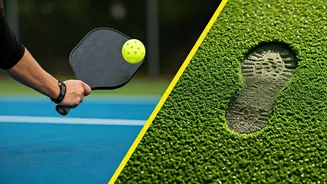
The limitations of a pure step-counting approach are precisely why activities like pickleball are gaining substantial traction. Engaging in an hour of pickleball offers a multifaceted workout, integrating cardiovascular exercise, agility drills, rapid reflexes, and functional body movements, delivering a comprehensive fitness experience in a shorter timeframe. Beyond the immediate calorie expenditure, the sport injects elements of competition and social interaction, which are crucial for fostering consistency and long-term adherence. The inherent enjoyment derived from playing makes participants more likely to return, transforming fitness from a chore into a pleasurable activity. This shift reflects a broader societal change where fitness is increasingly defined by experience rather than mere discipline. Younger demographics, in particular, are drawn to activities that blend performance with community engagement and overall enjoyment, making pickleball a compelling alternative or supplement to traditional fitness regimens.
Walking's Enduring Value
Despite the emerging critiques, walking remains a foundational element of physical activity. Experts emphasize that the specific number of 10,000 steps is largely arbitrary, and research indicates that even achieving between 7,000 to 8,000 steps daily can yield considerable health advantages. Walking stands out as one of the most accessible and sustainable forms of exercise, particularly beneficial for individuals who are older or are just beginning their fitness journey. It offers a low-impact way to stay active and can be integrated into daily routines with minimal disruption. Therefore, while the goalposts for optimal health benefits might be adjusted, the fundamental importance of walking as a consistent and accessible means of maintaining physical health remains undisputed.
Intensity vs. Consistency
The fundamental distinction between step-based activity and sports like pickleball lies in their intensity levels. While walking provides a consistent baseline of movement, pickleball actively pushes the body into moderate-to-vigorous activity zones. An hour of pickleball can effectively burn approximately 500 calories and significantly improve cardiorespiratory fitness, enhance coordination, and build muscle strength. However, as with any sport, it is important to acknowledge potential risks. Pickleball can lead to injuries such as tennis elbow, shoulder strains, or ankle sprains, underscoring the necessity of proper warm-ups, cool-downs, and engaging in the sport with moderation to mitigate these risks.
A Balanced Approach
Ultimately, the question of whether 10,000 steps or an hour of pickleball is superior doesn't yield a simple 'either/or' answer. The most effective fitness strategy likely involves a synergistic blend of both. A recommended approach suggests aiming for a baseline of 6,000 to 7,000 steps daily to ensure consistent, everyday movement. This foundation can then be complemented by incorporating 150 to 300 minutes of moderate-intensity exercise per week, which could readily include engaging in pickleball sessions a few times a week. This balanced formula acknowledges the benefits of both sustained daily activity and more vigorous, engaging forms of exercise, catering to different aspects of physical health and enjoyment.
Move Smarter, Live Better
The modern perspective on fitness emphasizes sustainability, which is best achieved through activities that individuals genuinely enjoy and can maintain over the long term. The significant shift in fitness thinking is not about merely swapping one measurement for another, but rather moving beyond rigid metrics altogether. The most beneficial fitness routine is not necessarily the one that is most meticulously tracked, but the one that an individual can consistently adhere to and actively look forward to. This outlook champions engagement, fun, and personal satisfaction as the true drivers of a healthy and active lifestyle, ensuring that physical activity becomes an integrated and joyful part of life.