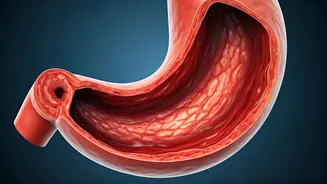

Acidity: A Warning
Recurring acidity, a common digestive complaint, is more than just a fleeting discomfort; it can be a significant indicator of potential health issues.
The body's response to frequent bouts of acidity serves as a warning signal, suggesting that something might be amiss within the digestive system. Ignoring these signals could lead to delayed diagnosis and treatment, potentially worsening the condition. This highlights the importance of recognizing the underlying causes of acidity and seeking medical advice when the symptoms persist. This is especially important as it can be a symptom of a deeper problem within the body.
Hidden Digestive Issues
Persistent acidity can be indicative of underlying digestive disorders. These disorders, which might include conditions like gastroesophageal reflux disease (GERD), ulcers, or even more serious problems, often manifest through recurring acid reflux. GERD, for example, arises when stomach acid frequently flows back into the esophagus, causing irritation and inflammation. Ulcers, which are sores in the lining of the stomach or duodenum, can also lead to acid-related symptoms. Ignoring these symptoms means overlooking these potential health issues. Early detection through appropriate medical examinations and treatment can prevent further complications.
Risks of Neglect
Neglecting recurring acidity carries significant risks. Over time, the constant exposure of the esophagus to stomach acid can cause the lining to become damaged, potentially leading to a condition called Barrett's esophagus. This, in turn, increases the risk of esophageal cancer. Furthermore, untreated acidity can lead to other complications such as strictures (narrowing of the esophagus) and chronic inflammation. Ignoring symptoms allows these problems to worsen. Timely intervention can mitigate these risks, preventing long-term damage and improving overall health outcomes.
Seeking Medical Advice
When experiencing frequent acidity, it's essential to consult with a healthcare professional. A doctor can assess your symptoms, perform necessary tests, and determine the root cause of the acidity. Diagnostic tools may include an endoscopy, which allows doctors to visually examine the esophagus and stomach, or a pH test to measure the acid levels. Proper diagnosis is crucial for designing an effective treatment plan, which may involve lifestyle adjustments, medications, or, in severe cases, surgical interventions. Seeking professional help ensures that you receive the appropriate care to address the underlying issue.
Lifestyle Changes & Solutions
Beyond medical treatments, several lifestyle adjustments can help manage and reduce acidity. These include changes in dietary habits, such as avoiding trigger foods like spicy foods, citrus fruits, and fatty foods. Eating smaller, more frequent meals can also reduce the volume of acid produced in the stomach. Additionally, elevating the head of the bed during sleep can help prevent acid from flowing back into the esophagus. By making these simple changes, individuals can often alleviate symptoms and support their overall digestive health. Regular exercise and stress management are also beneficial in managing acidity.