







Understanding Hantavirus
Hantaviruses represent a group of viruses primarily transmitted by rodents, capable of causing serious human illness. Infection typically occurs through
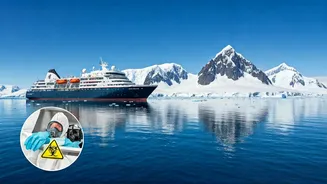
direct contact with the excreta, such as urine or feces, of infected rodents. Disturbing contaminated surfaces can also lead to transmission, often during activities like cleaning infested areas or engaging in outdoor pursuits in rural settings like forests, fields, or farms. The recent incident aboard the MV Hondius has highlighted how confined travel environments, like cruise ships, can potentially exacerbate the spread of rare infections if initial detection is delayed. While the World Health Organization (WHO) generally assesses routine tourism as low risk, the shipboard outbreak has prompted scrutiny regarding onboard transmission, possibly linked to the Andes variant of the virus. Symptoms usually manifest between one to eight weeks post-exposure, with the peak period being two to four weeks. Initial indicators include headaches, dizziness, chills, fever, generalized muscle pain (myalgia), and digestive issues such as nausea, vomiting, diarrhea, and abdominal discomfort. In more severe progressions, individuals may experience sudden breathing difficulties and a drop in blood pressure. Currently, there is no specific antiviral treatment or vaccine available; supportive medical care, including intensive therapy when necessary, is crucial for improving patient outcomes. The fatality rate varies significantly by region, being lower in Asia and Europe, but can reach up to 50% in the Americas for certain strains if not managed promptly.
Impact on Travel Plans
For the vast majority of travelers, the risk associated with hantavirus remains exceptionally low. Both the World Health Organization (WHO) and public health experts emphasize that this isolated incident does not signify a pandemic or a widespread threat to general tourism. Hantavirus infections are infrequent and are predominantly linked to direct exposure to rodents, rather than casual travel interactions. However, for those with upcoming cruise bookings, particularly voyages to remote or polar regions, a proactive approach is advisable. It is recommended to inquire about the health and safety protocols of cruise operators, ensuring compliance with programs like the CDC’s Vessel Sanitation Program. Passengers who have recently returned from affected areas or similar itineraries should remain vigilant for symptoms for up to 45 days and seek prompt medical attention if any appear. Practical precautions in any destination include avoiding areas frequented by rodents, maintaining cleanliness to deter pests, and steering clear of dusty environments like attics or sheds in rural accommodations. Comprehensive travel insurance is highly recommended as it can cover potential cancellations or medical emergencies arising from such outbreaks. During outdoor activities in known endemic regions, extra care should be taken during hiking, camping, or farm visits. Passengers on the affected ship, MV Hondius, have been advised to stay alert, and global health agencies are coordinating their response efforts. Early intervention has been identified as a critical factor in managing the situation effectively.
Navigating Travel Safely
Travel inherently involves managing various health uncertainties, from common seasonal illnesses on flights to localized outbreaks of infectious diseases. The hantavirus incident on the cruise ship, while serious for those directly impacted, does not indicate that cruising or international travel, in general, has become unsafe. The overwhelming majority of journeys are completed without any health complications. Health authorities currently do not recommend widespread travel restrictions specifically due to hantavirus. Most cases remain isolated incidents, and the virus is not considered highly contagious in the same manner as airborne respiratory viruses such as COVID-19 or influenza. Nevertheless, travelers are encouraged to exercise caution rather than succumb to fear. Maintaining good personal hygiene, being aware of potential symptoms, and paying attention to official health advisories are crucial, especially when visiting remote areas or environments where exposure to rodents is a possibility. At present, experts advise against unwarranted panic. Instead, informed caution, particularly in shared travel environments, has become an integrated aspect of modern travel. As further updates emerge regarding the MV Hondius situation and ongoing contact tracing efforts, staying informed through reliable sources is the most effective way to protect yourself. Wishing you safe travels.