







Digestive Comfort Boost
For individuals who struggle with lactose intolerance or have a general sensitivity to dairy, abstaining from these products for two weeks can often lead
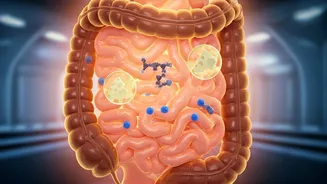
to a noticeable reduction in uncomfortable digestive symptoms. This typically includes less bloating, reduced instances of gas, and a general easing of stomach upset. This occurs because the body gets a reprieve from breaking down lactose, a sugar found in dairy that can be problematic for many. When dairy is removed from the diet, the digestive system, particularly the gut, no longer has to process this challenging component, leading to a more comfortable internal environment. This break can be particularly beneficial for those who experience chronic digestive discomfort attributed to dairy consumption, allowing their system to reset and recalibrate.
Mindful Calcium Intake
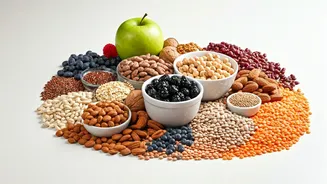
It's crucial to acknowledge that dairy products are a primary and readily absorbed source of calcium, a mineral vital for maintaining strong bones, facilitating muscle contractions, and ensuring proper nerve function. When you decide to cut out dairy, there's a significant risk that your overall calcium intake could rapidly decrease unless you are diligent about incorporating alternative sources. To mitigate this potential shortfall, it is imperative to consciously integrate calcium-rich foods into your daily meals. Excellent non-dairy options include sesame seeds, almonds, tofu, ragi (finger millet), and various leafy green vegetables. Proactively seeking out these foods ensures your body continues to receive adequate calcium for essential bodily processes, preventing any negative impacts on bone health or other functions.
Gut Microbiome Shifts
The composition of your gut bacteria can be influenced by dietary choices, and fermented dairy products like yogurt have been shown to contribute to a healthier population of beneficial gut microbes. Consequently, removing dairy from your diet, especially if you don't actively replace these with other probiotic-rich foods, might lead to a temporary dip in these helpful bacteria. While some individuals might find their digestion improves overall, others may experience subtle, yet noticeable, changes in their digestive patterns. To maintain a balanced gut ecosystem during a dairy-free period, consider incorporating fermented plant-based foods or a plant-based probiotic supplement. This proactive approach can help support the diversity and health of your gut flora.
Vitamin D Needs
Many dairy items are fortified with vitamin D, a nutrient that plays a critical role in helping the body absorb calcium efficiently. A deficiency in vitamin D, especially over extended periods, can have detrimental effects on bone health. While a two-week hiatus from dairy is unlikely to cause a severe deficiency, a consistent avoidance of dairy without ensuring alternative sources of vitamin D can lead to potential problems down the line. During a dairy-free phase, it becomes increasingly important to seek out other ways to obtain vitamin D, such as through adequate sunlight exposure, consuming fortified plant-based milks, or considering vitamin D supplements to ensure your body's calcium absorption remains optimal and your bones stay healthy.
Potential Skin Benefits
The relationship between dairy consumption and skin health, particularly acne, is a subject of ongoing discussion, with research yielding mixed results. For a subset of individuals, abstaining from dairy products for a couple of weeks might lead to a visible improvement in their skin, such as a reduction in breakouts or a decrease in inflammation. However, it's important to note that not everyone experiences these positive effects; many individuals see no discernible change in their skin's condition. Skin health is influenced by a complex interplay of factors including hormonal fluctuations, overall dietary patterns, adequate hydration, and lifestyle habits, rather than solely by the presence or absence of dairy in one's diet.