





Sugary Sauces to Avoid
Sugary sauces can dramatically elevate blood sugar. Many sauces, often hidden behind labels that imply healthiness, are packed with added sugars. Ketchup,
barbecue sauce, and sweet chili sauce are prime examples; their high sugar content quickly impacts blood glucose levels. The rapid intake of sugars from these sources can trigger an abrupt spike. It's advisable to scrutinize ingredient lists, opting for unsweetened alternatives or making your own sauces to better control sugar intake. The focus on reducing these hidden sugars in your dinner is key to stabilizing your blood sugar levels. Making a switch to homemade sauces allows you to control the ingredients and significantly lower sugar consumption. Considering alternatives to common sugary additions to your dinner can make a big difference in maintaining steady glucose levels, contributing to overall health.
Cereals’ Impact at Dinner
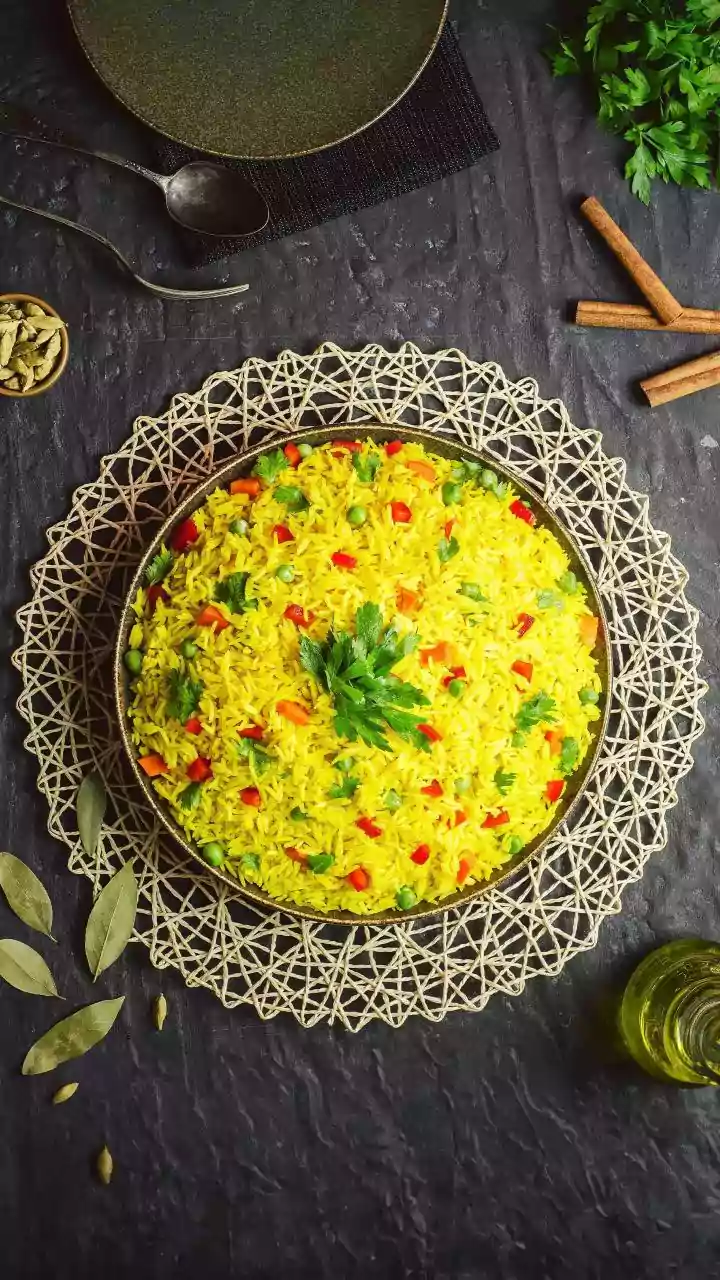
Cereals, commonly viewed as a breakfast staple, can also find their way to the dinner table, especially in dishes like pilaf. Many cereals contain high levels of refined carbohydrates and added sugars. When consumed in the evening, these components are quickly converted into glucose in the body, which can subsequently cause a spike in blood sugar. The quick rise in blood sugar following cereal consumption is often followed by a crash, leading to feelings of hunger and fatigue. Opting for low-carb and whole-grain alternatives in evening meals can help mitigate these effects. Careful consideration of the carbohydrate content of your dinner choices can greatly improve your ability to keep blood sugar levels steady. This proactive change in meal composition allows you to manage blood glucose and enhance your overall well-being.
Refined Grains Problems
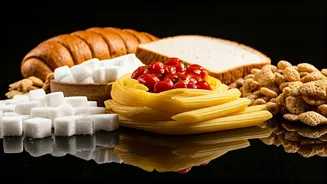
Refined grains, another food category, pose significant challenges to blood sugar control, especially when included in dinner. Foods such as white rice, white bread, and pasta are rapidly digested, leading to a quick rise in blood sugar levels. This rapid glucose increase places a burden on the body's insulin response. The glycemic index and glycemic load of refined grains are comparatively high, contributing to significant glucose spikes. Choosing whole-grain options helps counteract these spikes, as they are digested more slowly. Substituting refined grains with alternatives like quinoa, brown rice, or cauliflower rice is a good strategy to manage blood sugar. These changes promote gradual glucose release, leading to more stable blood sugar levels during the evening hours, contributing to better health overall.
Sugary Drinks' Hidden Risks
Sugary drinks frequently overlooked as a significant source of sugar also cause blood sugar spikes at dinner. These beverages often include soda, juice, and sweetened iced tea. They are laden with high amounts of added sugar, resulting in a swift increase in blood glucose levels. The liquid form of sugars enables rapid absorption into the bloodstream, making the effect even more pronounced. Regular consumption of sugary drinks can exacerbate insulin resistance, leading to potential health issues. Opting for sugar-free or unsweetened beverages such as water, herbal teas, or sparkling water is an effective strategy to avoid blood sugar spikes. Making choices that align with controlling sugar consumption at dinner allows you to manage glucose levels effectively, facilitating a more positive health profile. Choosing sugar-free drinks supports better overall health.
Fried Foods' Consequences
Fried foods, a staple in many cuisines, can present complications for maintaining steady blood sugar, especially when eaten during dinner. These dishes tend to be high in saturated and trans fats, which can interfere with insulin sensitivity. This can, in turn, affect the body's ability to utilize glucose effectively, leading to a rise in blood sugar levels. The high-fat content can also delay gastric emptying, leading to prolonged blood sugar increases. Avoiding fried foods during dinner helps mitigate these effects. Opt for healthier cooking methods, such as baking, grilling, or steaming your food, which helps in preventing blood sugar spikes. Incorporating healthier cooking methods will play a vital role in maintaining stable blood sugar and improving overall health. It also supports better metabolic health.
Processed Foods Beware
Processed foods are often packed with hidden sugars, unhealthy fats, and refined carbohydrates, making them a significant concern for blood sugar control, particularly when eaten at dinner. These foods typically include ready-made meals, packaged snacks, and convenience foods. They often contain high levels of sodium, which can add to the problem, and may include trans fats. The combination of these components can lead to blood sugar spikes and decreased insulin sensitivity. Being mindful of labels, and opting for whole, unprocessed foods when planning your evening meal can significantly improve your blood sugar management. Choosing meals prepared at home, and using fresh ingredients, is a better strategy to avoid the hidden risks in processed foods. The deliberate approach to selecting dinner choices fosters better metabolic well-being and improved health outcomes.
Fruit-flavored Yogurts: Caution
Fruit-flavored yogurts often contain a high amount of added sugars, making them a potential problem for blood sugar management, especially when consumed during dinner. While yogurt itself can be a healthy food due to its protein and probiotic content, many flavored varieties are filled with added sugars to enhance their taste. The high sugar content leads to rapid blood glucose level increases. Opting for plain yogurt, sweetened with fresh fruit or a natural sweetener like stevia, is a better approach to manage blood sugar. The ability to monitor what you consume can improve your blood sugar control. This way you can enjoy the advantages of yogurt without adding unnecessary sugar intake to your evening meal.