

What is PTE?
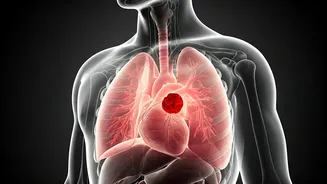
Pulmonary thromboembolism (PTE), also commonly referred to as pulmonary embolism, signifies a critical medical event where a blood clot obstructs one or
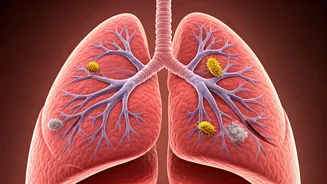
more of the arteries supplying blood to the lungs. It's crucial to understand that the origin of this clot is rarely within the lungs themselves. Typically, these dangerous clots develop in the deeper veins of the legs, a condition known as deep vein thrombosis (DVT). From there, they dislodge and travel through the bloodstream until they reach the lungs. Once lodged, these clots impede blood flow, making it significantly harder for the body to receive adequate oxygenation. This interruption can rapidly escalate into a life-threatening emergency if not addressed with prompt medical intervention.
Causes and Risk Factors
Several factors can predispose an individual to developing pulmonary thromboembolism. Prolonged periods of inactivity, such as extended travel or lengthy periods of sitting, are significant contributors. Major surgical procedures, bone fractures, and certain types of cancer also elevate the risk due to their impact on the body's clotting mechanisms. Lifestyle choices like smoking and obesity play a crucial role, as do conditions like pregnancy and the use of hormonal medications. Furthermore, individuals with specific genetic predispositions that affect blood clotting are also more vulnerable. Recognizing these risk factors is key to preventative measures and early awareness.
PTE vs. Heart Attack
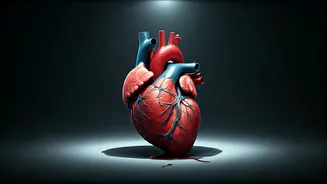
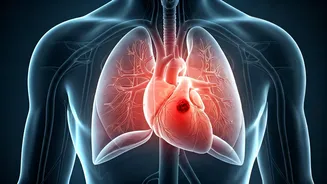
While both pulmonary thromboembolism and heart attacks can manifest with distressing symptoms like chest pain and shortness of breath, they are fundamentally different medical emergencies affecting distinct parts of the body. A heart attack occurs when blood flow to the heart muscle itself is blocked, usually due to the buildup of cholesterol and subsequent clot formation in the coronary arteries. In contrast, pulmonary thromboembolism impacts the lungs. The blockage happens in the pulmonary arteries, which are responsible for transporting blood from the heart to the lungs for oxygenation. This distinction is vital, as the underlying mechanisms and immediate treatments differ significantly, though symptoms can sometimes overlap, leading to initial diagnostic challenges for healthcare professionals.
Heart Complications and Prevention
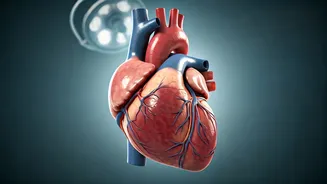
The implications of a substantial pulmonary thromboembolism extend to severe cardiac complications. A large clot in the lungs can exert immense pressure on the right side of the heart, forcing it to work overtime to pump blood. In dire circumstances, this relentless strain can lead to heart failure, profound shock, dangerously low blood pressure, or even cardiac arrest. While older adults, cancer patients, and those recovering from surgery or prolonged bed rest are at higher risk, younger individuals are not immune. Factors like obesity, smoking, dehydration, stress, sedentary habits, and inherited clotting disorders all contribute. Early recognition of symptoms and seeking immediate medical attention are paramount for improving outcomes and averting potentially fatal consequences.