






Gentle Washing Rituals
Washing your hair, though seemingly simple, can significantly impact its health. Start by selecting a shampoo that aligns with your hair type – whether
it's oily, dry, or a combination. Avoid harsh sulfates, as these can strip away natural oils, leading to dryness and breakage. Instead, opt for gentle, sulfate-free options. The frequency of washing should also be considered. Over-washing can deplete the scalp's natural oils, while infrequent washing might lead to product buildup. Washing two to three times a week is often sufficient for most Indian hair types, but adjust the frequency based on your lifestyle and hair's needs. Furthermore, always use lukewarm or cool water for rinsing. Hot water can open the hair cuticle, causing it to lose moisture and become frizzy. Gently massage the scalp while shampooing to stimulate blood flow, which in turn promotes hair growth. Thoroughly rinsing the shampoo is equally important to avoid residue buildup, which can weigh hair down and make it appear dull.
Conditioning Deeply
Conditioning is a non-negotiable step in any effective hair care routine. Select a conditioner specifically formulated for your hair type, focusing on hydration and nourishment. For dry or damaged hair, look for conditioners rich in moisturizing ingredients like shea butter, argan oil, or coconut oil. If you have oily hair, opt for lighter formulas that won't weigh your hair down. Deep conditioning treatments, done once or twice a week, can provide an extra boost of moisture and repair. Apply the conditioner generously to the mid-lengths and ends of your hair, avoiding the scalp to prevent oiliness. Leave the conditioner on for the recommended time, usually 3-5 minutes, allowing it to penetrate the hair shaft. For a more intensive treatment, wrap your hair in a warm towel after applying the conditioner; the heat helps open the hair cuticle, allowing the conditioner to penetrate more deeply. Rinse thoroughly, ensuring no residue remains, which can cause the hair to appear flat and lifeless.
Oil Massage Benefits
Hair oiling is a time-honored practice in Indian hair care, and for good reason. Regular oil massages can stimulate blood circulation in the scalp, promoting hair growth and strengthening hair follicles. Select an oil that suits your hair type and concerns – coconut oil is excellent for hydration, while amla oil is known for strengthening and promoting shine. Warm the oil slightly before application, as this enhances its absorption. Gently massage the oil into your scalp using circular motions for 10-15 minutes, ensuring you cover the entire scalp. This helps to loosen dead skin cells and stimulate the hair follicles. After massaging, distribute the remaining oil through the lengths of your hair. You can leave the oil on for several hours, or even overnight, for deeper conditioning. Wash your hair with a gentle shampoo to remove the oil, ensuring you rinse thoroughly to avoid any residue that may weigh down your hair.
Dietary Adjustments Crucial
What you eat directly impacts the health and appearance of your hair. A balanced diet rich in essential nutrients is vital for strong, healthy hair growth. Ensure you're consuming enough protein, as hair is primarily composed of protein. Include sources like lean meats, fish, eggs, and lentils in your diet. Vitamins play a crucial role, particularly vitamins A, C, D, and E, which support hair growth and overall health. Vitamin A promotes sebum production, keeping the scalp moisturized, while vitamin C helps in the absorption of iron. Include a variety of colorful fruits and vegetables in your diet to get these vitamins. Minerals like iron, zinc, and biotin are also essential. Iron deficiency can lead to hair loss, so ensure you get enough through sources like spinach and beans. Zinc helps in tissue repair and hair growth, and biotin contributes to the production of keratin, a key protein in hair. Consider supplements if you're not getting enough through your diet, but always consult a healthcare professional before starting any supplements.
Hydration’s Positive Impact
Staying adequately hydrated is fundamental for overall health, and this extends to your hair. Drinking enough water helps to keep your scalp and hair hydrated from the inside out. Dehydration can lead to dry, brittle hair that is prone to breakage. Aim to drink at least eight glasses of water a day, and even more if you are physically active or live in a hot climate. The amount of water you need can also vary depending on your body weight and individual needs. Beyond just drinking water, you can also incorporate hydrating foods into your diet. Fruits and vegetables with high water content, like watermelon, cucumbers, and spinach, can contribute to your overall hydration levels. Furthermore, hydration is also related to the way your body manages nutrients, which also supports hair health. Consistent hydration creates the best environment for your hair to be healthy.
Minimize Heat Styling
Excessive heat styling can severely damage your hair, leading to dryness, breakage, and split ends. Limit the use of heat styling tools like hair dryers, curling irons, and straighteners. If you must use them, always apply a heat protectant product before styling. Heat protectants create a barrier between the heat and your hair, minimizing damage. Opt for low heat settings whenever possible. Avoid using these tools every day; instead, let your hair air dry as often as you can. When blow-drying, keep the dryer moving and avoid concentrating the heat on one area for too long. If using a curling iron or straightener, ensure your hair is completely dry before styling, as styling wet hair can cause significant damage. Consider heatless styling methods like rollers or braids to achieve your desired look without heat. Regularly trim your hair to remove split ends and maintain healthy hair.
Protective Hairstyles Benefit
Protective hairstyles can shield your hair from environmental damage and promote growth. These styles minimize manipulation, reducing breakage and allowing your hair to retain moisture. Braids, twists, and buns are excellent options for protecting your hair, especially during harsh weather conditions or when you're physically active. When braiding or twisting your hair, avoid pulling the hair too tightly, as this can put stress on the hair follicles and cause traction alopecia. Opt for styles that are comfortable and don't cause tension. Use satin or silk scarves or pillowcases to further protect your hair from friction while you sleep. These materials reduce the friction that can lead to breakage and split ends. Remember to moisturize your hair regularly, even when wearing protective styles. Applying a leave-in conditioner or hair oil can keep your hair hydrated and prevent dryness. Don't leave your protective style in for too long; it’s recommended to change these styles every 6-8 weeks.
Gentle Detangling Practices
Proper detangling is vital for preventing breakage and maintaining healthy hair. Always detangle your hair when it's damp, as wet hair is more flexible and less prone to breakage. Start detangling from the ends and work your way up to the roots, gently removing knots and tangles. Use a wide-tooth comb or a detangling brush specifically designed for wet hair. Avoid using brushes with tightly packed bristles, as these can snag and break your hair. Apply a detangling product, such as a leave-in conditioner or detangling spray, to help ease the process and reduce friction. Detangle your hair regularly, especially before washing and after removing protective styles. Be patient and gentle; don't rush the process, and avoid pulling or yanking on your hair. If you encounter stubborn knots, carefully separate them with your fingers before attempting to comb through them.
Reduce Chemical Treatments
Chemical treatments, such as perms, relaxers, and excessive coloring, can weaken your hair and lead to damage. Limit the frequency of these treatments to minimize the strain on your hair. When getting chemical treatments, always choose a professional stylist who is experienced and knowledgeable about hair care. Ensure they use high-quality products and follow proper techniques. Space out your treatments to give your hair time to recover. Deep condition your hair regularly after chemical treatments to replenish moisture and repair damage. Consider natural alternatives to chemical treatments, such as henna for coloring. These options are often gentler on your hair. Be mindful of the ingredients in hair products; avoid those containing harsh chemicals like parabens and sulfates, which can further damage your hair. Always conduct a strand test before undergoing any chemical treatment to ensure that it's compatible with your hair.
Regular Trims Promote Growth
Contrary to the myth that regular trims cause hair growth, they actually maintain the health of your hair, allowing it to grow longer and stronger. Trimming your hair every 6-8 weeks helps to remove split ends and prevents them from traveling up the hair shaft, which can lead to breakage. Split ends can make your hair look dull, dry, and frizzy. As the hair is split it damages the shaft further. Regular trims keep your hair looking healthy and prevent breakage, allowing it to retain length. Visit a trusted stylist who understands your hair type and can provide professional trims. Even if you're trying to grow your hair long, trimming regularly is essential for maintaining its health and appearance. Ask your stylist about the best trimming technique for your hair type and style. In addition to regular trims, avoid harsh hair treatments. Be gentle when styling to reduce breakage. Incorporating healthy eating habits can enhance hair growth and overall well-being.
Scalp Health and Growth
A healthy scalp is essential for optimal hair growth. Keep your scalp clean and free of buildup. Regularly shampoo your hair to remove excess oil, dirt, and product residue. Massage your scalp while shampooing to stimulate blood circulation, which helps nourish hair follicles. Exfoliate your scalp periodically to remove dead skin cells and unclog hair follicles. Use a gentle scalp scrub or a clarifying shampoo for this purpose. Avoid using harsh chemicals or scratching your scalp excessively, as this can cause irritation and damage. If you have any scalp conditions like dandruff or seborrheic dermatitis, consult a dermatologist for appropriate treatment. Maintaining a healthy scalp environment creates the ideal conditions for hair growth, ensuring your hair is strong and vibrant. Paying attention to scalp health also involves choosing suitable hair products that are gentle and don't clog pores.
Stress Management’s Importance
Stress can have a significant impact on your hair health. Chronic stress can lead to hair loss or thinning. Finding effective ways to manage stress is crucial for maintaining healthy hair growth. Practice relaxation techniques like yoga, meditation, or deep breathing exercises. These practices can help lower stress levels and improve overall well-being. Engage in activities that you enjoy, such as spending time in nature, listening to music, or pursuing a hobby. These activities can help you de-stress and boost your mood. Get enough sleep. Aim for 7-8 hours of quality sleep each night. Sleep deprivation can worsen stress levels. Maintain a balanced diet and regular exercise. Regular physical activity can help manage stress and improve your overall health. Consider seeking professional help, such as therapy or counseling, if you're struggling to manage stress on your own. When you can lower stress, you will be able to promote and stimulate healthy hair growth.
Herbal Remedies Benefits
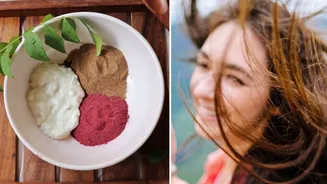
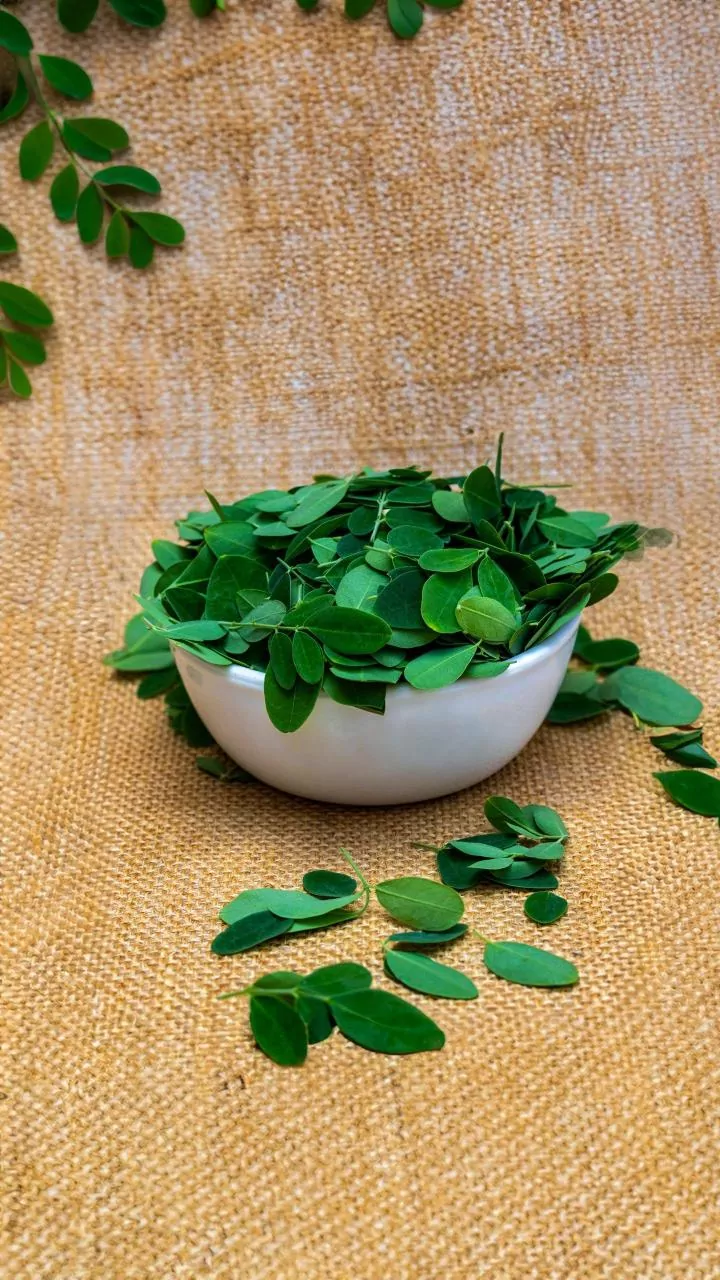
Traditional Indian hair care often involves the use of herbal remedies, and many of these remedies have proven benefits for hair health. Amla, also known as Indian gooseberry, is rich in vitamin C and antioxidants, promoting hair growth and strengthening hair follicles. Reetha and shikakai are natural cleansers that gently cleanse the scalp without stripping away natural oils. Brahmi and bhringraj are known for their ability to nourish the scalp, reduce hair fall, and promote hair growth. Use these herbs in the form of oils, hair masks, or rinses. You can prepare these remedies yourself at home or purchase pre-made products. Always perform a patch test before using any new herbal remedy to ensure you are not allergic. Research the herbs and their potential benefits. Incorporate these time-tested remedies into your routine, and they could work wonders for your hair.
Protect From Sun Exposure
Prolonged exposure to the sun can damage your hair, just as it damages your skin. The sun's UV rays can dry out your hair, making it brittle and prone to breakage. Protect your hair from sun damage, especially during peak hours. Wear a hat, scarf, or head covering when spending time outdoors, especially when the sun is strong. Apply a hair product with UV protection before going out in the sun. These products create a barrier against the sun's rays. Rinse your hair with fresh water after swimming in the ocean or pool. Salt water and chlorine can dry out your hair. Avoid excessive exposure to the sun. Limit your time outdoors, or seek shade whenever possible. Remember that protecting your hair from sun damage is a preventive measure that can help maintain its health, shine, and overall appearance.
Silk Pillowcases Advantages
Switching to silk pillowcases can benefit your hair health. Silk pillowcases have a smooth surface that reduces friction between your hair and the pillow. This reduced friction minimizes breakage, tangling, and split ends. Cotton pillowcases, on the other hand, can create friction, which can lead to damage. Silk pillowcases also help to retain your hair's natural moisture. They absorb less moisture than cotton, which helps to keep your hair hydrated. Consider using a silk scarf or bonnet if you prefer, or if you toss and turn a lot. Silk pillowcases can also be beneficial for your skin. They are less absorbent than cotton, which means they can help prevent wrinkles and reduce skin irritation. Investing in silk pillowcases is a simple yet effective way to improve your hair care routine.
Lifestyle Adjustments to Make
Several lifestyle adjustments can improve your hair health. Avoid smoking, as it can restrict blood flow to the scalp and impair hair growth. Limit your alcohol consumption, as excessive alcohol can dehydrate your body, including your hair. Get regular exercise. Physical activity improves blood circulation, which helps nourish hair follicles. Prioritize sleep. Aim for 7-8 hours of sleep each night. Sleep deprivation can lead to stress and affect hair growth. Manage stress effectively. Practice relaxation techniques and engage in activities you enjoy to lower stress levels. Stay active and hydrated. Incorporate healthy lifestyle habits and you will see how it positively impacts the hair.
Patience and Consistency
Achieving healthy, full hair growth is not an overnight process. It requires patience and consistency in your hair care routine. Results may not be immediate, so avoid getting discouraged if you don't see changes right away. Stick to your hair care routine consistently, even when you don't see instant results. Evaluate your routine and make adjustments as needed. Pay attention to how your hair responds to different products and practices. Document your hair care journey. Keep a journal or take photos to track your progress and see the positive changes over time. Celebrate small victories. Acknowledge and appreciate the progress you make along the way. Remember that everyone's hair is different. What works for one person may not work for another. Be patient with yourself and your hair.