
The Humble Crumb
Crumbs often go unnoticed, falling to the bottom of the plate or the cutting board. They are the leftovers, the remnants of our culinary creations. However,
these little pieces hold incredible potential, offering a fantastic opportunity to enhance flavor, texture, and overall enjoyment of a dish. Crumb-based preparations, like breadcrumbs, can act as a binding agent, a crunchy topping, or even a flavor enhancer, capable of transforming a simple meal into something extraordinary. This shift in perspective, from waste to resource, not only improves the culinary aspect but also fosters a more sustainable approach to cooking, as it encourages the use of every ingredient part and minimizes food waste.
Breadcrumb Bonanza
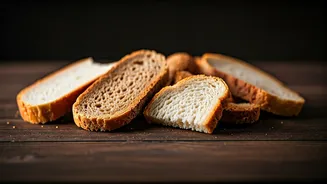
Breadcrumbs represent the most recognizable way to utilize these small food elements. They come in various forms, like the classic dry breadcrumbs, or the fresh, tender type. Each type of breadcrumb offers unique characteristics. Dry breadcrumbs, which are often made from toasted bread, add a delightful crunch. Their neutral flavor makes them incredibly versatile for coating proteins, thickening sauces, and as a component of baked gratins. Fresh breadcrumbs, produced from bread that is not toasted, have a softer texture. This quality makes them perfect for binding ingredients in meatloaf and meatballs, or for incorporating into stuffing mixtures. Beyond the basic versions, flavored breadcrumbs present opportunities to add extra dimensions to a recipe.
Crumbs as Coatings
Consider the delightful crunch of fried chicken or the crispy texture of a baked vegetable. In many of these recipes, crumbs play a central role, serving as the perfect coating. These coatings not only provide textural contrast but also lock in moisture, preventing the food from drying out during cooking. Different types of crumbs can create varying textures. For example, using panko breadcrumbs, the Japanese-style breadcrumbs, provides a light and airy texture. They are known for their ability to become golden and crispy when fried. Crumb coatings can be made flavorful by using seasoned breadcrumbs, offering ease of cooking and great flavour. When coating, a standard practice includes a process of dredging the food in flour, dipping it in egg wash, and then coating it thoroughly with crumbs before cooking.
Crumbs for Texture
Beyond coatings, crumbs provide a valuable way to add interesting textures. They can be sprinkled over various dishes, from salads to pasta, or incorporated into toppings and desserts. They offer a delightful textural counterpoint. For example, a sprinkle of toasted breadcrumbs over a creamy soup or a pasta dish adds a surprising crunch, making the dining experience more exciting. The use of crushed nuts or cookie crumbs can transform desserts and make them more interesting. They can be used as a base for pies or a topping for puddings. The versatility of crumbs also extends to savory dishes, with breadcrumbs adding texture to casseroles and gratins. This ability to add varied textures proves that crumbs are an important element in the kitchen.
Flavor Boosters
Crumbs have the capacity to enhance the flavor of a dish, beyond just texture and appearance. This is achieved by infusing them with flavorful ingredients during their preparation. Breadcrumbs, for instance, can be seasoned with herbs, spices, or even cheese, before being used. This practice ensures that the flavor penetrates the dish, enhancing the overall taste. Another way to add flavor is to toast the crumbs, as the toasting process itself deepens the flavor profile, adding notes of nuttiness. Crumbs can also be infused with other flavors. They can be flavored with citrus zest, garlic, or even a hint of chili, depending on the dish. They are a tool to make any dish better.
Creative Crumbs
The realm of crumbs extends beyond simple breadcrumbs. Creative chefs have experimented with various other crumb-like elements. Crushed crackers can be used to coat or add a unique texture to dishes. Crumbs made from toasted nuts offer a rich and earthy flavor profile, and crushed cookies can provide sweetness to desserts. Even vegetable scraps like dehydrated vegetable stems can be transformed into flavorful powders, offering a way to minimize waste and add flavor. These alternative approaches showcase the versatility of the concept of crumbs, highlighting their ability to transform everyday ingredients into culinary treasures. The possibilities are only limited by imagination.
Minimize Food Waste
One of the most valuable benefits of incorporating crumbs into your cooking is reducing food waste. This method encourages resourcefulness. Utilizing stale bread, the ends of vegetables, or even overripe fruit, minimizes the amount of food that ends up in the trash. By embracing a 'nose-to-tail' or 'root-to-stem' approach, you can create new ingredients and flavors. This commitment to reduce waste saves resources and is better for the environment. Turning stale bread into breadcrumbs is a simple example. Using vegetable scraps to make flavorful powders or stocks is another. These actions are aligned with a broader effort to reduce waste in the kitchen and promote environmental sustainability.
Crumbs in Indian Cuisine
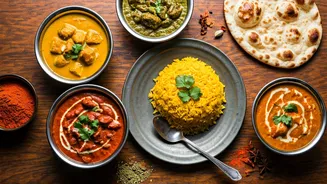
Crumbs are also important in Indian cuisine, often in less direct ways than in Western cooking. For instance, the use of besan (gram flour), a common ingredient, could be considered a crumb-like element. Besan is used in coatings for vegetables. Crushed papadums (thin, crispy wafers) can be sprinkled over dishes for texture. The art of preparing sabzi, often incorporates the concept of not wasting any part of the vegetable, ensuring that even the stems and leaves are used effectively. This method ensures that the essence and nutrients of the ingredients are fully utilized. The Indian culinary approach highlights the value of every element, similar to the Western approach in the use of crumbs, with the same goal of minimizing waste.