


Overnight Decay Factor
Many of us consider brushing in the morning the cornerstone of our oral hygiene, aiming for fresh breath and a clean feeling to start the day. However,
dental professionals are highlighting a critical oversight: the detrimental effects of skipping the nightly brush. When you retire for the night without cleaning your teeth, you leave behind a feast for bacteria. Throughout the hours of sleep, your mouth enters a state of reduced activity; saliva production decreases significantly, diminishing its natural cleansing and protective capabilities. This stagnant environment, coupled with any residual food particles from the day, creates a perfect breeding ground for acid-producing bacteria to thrive for an extended period, silently weakening your tooth enamel and setting the stage for cavities long before your morning routine.
Is One Brush Enough?
The common practice of brushing only once a day, typically in the morning, is simply insufficient for maintaining optimal oral health, according to dental experts. While the morning brush offers a temporary feeling of freshness and removes immediate buildup, it does little to counteract the prolonged bacterial activity that occurs during the 7-8 hours of sleep. Plaque, a sticky film of bacteria, begins to reform on teeth within hours of being brushed. Therefore, a single daily brushing leaves teeth vulnerable to bacterial attacks for an extended duration. From a clinical standpoint, prioritizing the nighttime brush is paramount. It effectively removes the day's accumulation of food debris and plaque, offering a more robust defense against the damaging processes that unfold while you sleep. If one can only manage a single brushing session, making it the pre-bedtime ritual is far more beneficial for preventing dental ailments.
Long-Term Consequences Unveiled
The repercussions of consistently neglecting to brush before bed extend far beyond temporary bad breath or a slight increase in plaque. Initially, this habit leads to noticeable plaque buildup, which can progressively harden into tartar. Tartar is a calcified deposit that brushing alone cannot remove; it necessitates professional dental cleaning. This hardened plaque can irritate the gums, leading to gingivitis, an early stage of gum disease characterized by redness and bleeding. If left untreated, gingivitis can escalate into periodontitis, a more severe and irreversible form of gum disease. Periodontitis damages the soft tissue and bone supporting the teeth, ultimately leading to tooth loosening and eventual loss. Furthermore, the chronic inflammation associated with advanced gum disease has been increasingly linked to systemic health issues, underscoring the broader impact of poor oral hygiene.
Shifting to Prevention
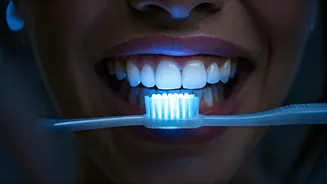
Achieving and maintaining excellent oral health hinges less on sporadic deep cleaning and more on establishing and adhering to consistent daily habits. The most effective strategy for safeguarding your teeth and gums involves brushing at least twice a day, with a particular emphasis on the session immediately before retiring for the night. Using a fluoride toothpaste during these brushing sessions is a simple yet highly effective method for strengthening tooth enamel and combating the acid attacks that lead to cavities. This proactive approach ensures that the mouth is cleansed of food particles and plaque, minimizing the environment conducive to bacterial growth overnight. By making the nightly brush a non-negotiable part of your routine, you are actively investing in the long-term health and integrity of your smile.