


Mirror Missteps Exposed
Decorating with mirrors can amplify light and space, but common errors can lead to a cluttered or jarring effect. Designers often see people placing mirrors in direct
opposition to windows, creating an overwhelming glare rather than a diffused glow. Another pitfall is overdoing it; a few well-placed mirrors are impactful, but an abundance can make a room feel like a funhouse. The scale is also crucial; a tiny mirror on a large wall or a disproportionately large one in a small nook can throw off the room's balance. Finally, consider the reflection itself – a mirror facing a blank wall or an unsightly corner doesn't add much value, whereas one strategically positioned to reflect a beautiful view or piece of art significantly enhances the space. Avoiding these common mistakes ensures mirrors contribute positively to your home's ambiance.
Seasonal Decor Sins
While seasonal decor adds festive cheer, designers often notice that some elements are left up far too long, disrupting the home's natural flow and aesthetic. The mistake isn't in decorating for holidays, but in the lingering presence of these items well past their welcome. For instance, a Christmas wreath adorning a door in March or Halloween pumpkins still gracing a mantel in January can feel out of place and detract from the current season's mood. Designers emphasize that effective seasonal decorating is about timely integration and thoughtful removal. It’s about embracing the current moment and ensuring your decor enhances, rather than detracts from, your home's overall appeal throughout the year. Letting go of these elements at the appropriate time signals a more refined and intentional approach to home styling.
Chilly Bedroom Solutions
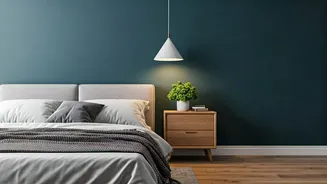
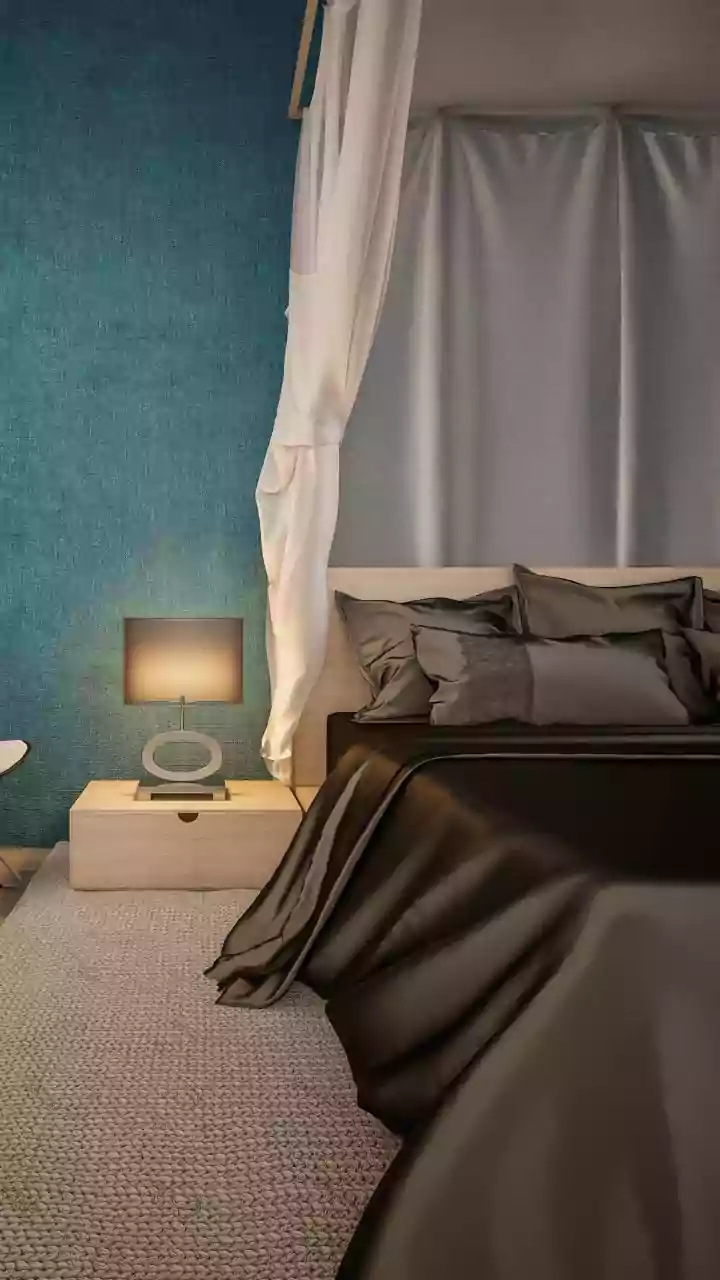
A cold bedroom can significantly impact sleep quality and overall comfort, yet many homeowners rely solely on increasing the thermostat. Designers suggest an array of alternative methods to warm up a bedroom without excessive heating. Layering textiles is key; think plush rugs underfoot, heavier curtains to block drafts, and an abundance of cozy blankets and throws on the bed. Introducing warmer color palettes in your decor, such as deep reds, oranges, or earthy browns, can also create a visual sense of warmth. Strategically placed lighting, particularly with warmer bulbs, can also contribute to a cozier atmosphere. Even simple actions like ensuring windows and doors are properly sealed can prevent heat loss, making the room feel more inviting and comfortable throughout the colder months.
Design Writer's Observations
As a design writer, certain elements in a home immediately capture attention, signaling a deliberate approach to living and decorating. One common observation is the presence of well-curated vignettes on surfaces like coffee tables or bookshelves; these arrangements suggest a thoughtful hand, balancing personal items with decorative objects. The quality and placement of lighting fixtures also speak volumes, indicating whether natural light is maximized or if artificial light is used to create specific moods. The texture and material choices throughout a space, from upholstery to rugs, reveal a commitment to tactile comfort and visual interest. Furthermore, the integration of plants and greenery often signifies a connection to nature and a desire for a more organic living environment. Finally, the overall sense of flow and how different zones within a home transition smoothly from one to another is a strong indicator of successful design.
Scent Scrutiny
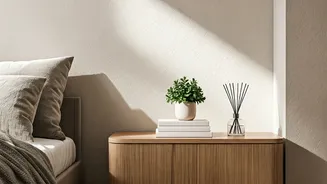
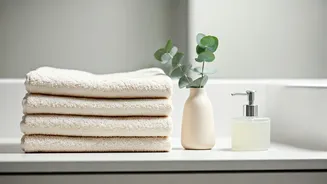
A lingering, unpleasant scent can undermine even the most beautifully designed room, acting as a silent saboteur of atmosphere. Designers frequently point out that while visual aesthetics are crucial, olfactory appeal is equally important for creating a truly welcoming environment. Common mistakes include overusing artificial air fresheners, which can produce cloying or chemical smells, or failing to address the root cause of an odor, such as poor ventilation or lingering cooking smells. Instead, designers advocate for subtle, natural scents. This could involve the gentle aroma of essential oil diffusers with calming fragrances like lavender or eucalyptus, or even the natural scent of fresh flowers. Ensuring good ventilation and regular cleaning are foundational steps to eliminate unwanted odors before introducing any pleasant fragrance, creating a harmonious sensory experience.
Comfort-Crushing Features
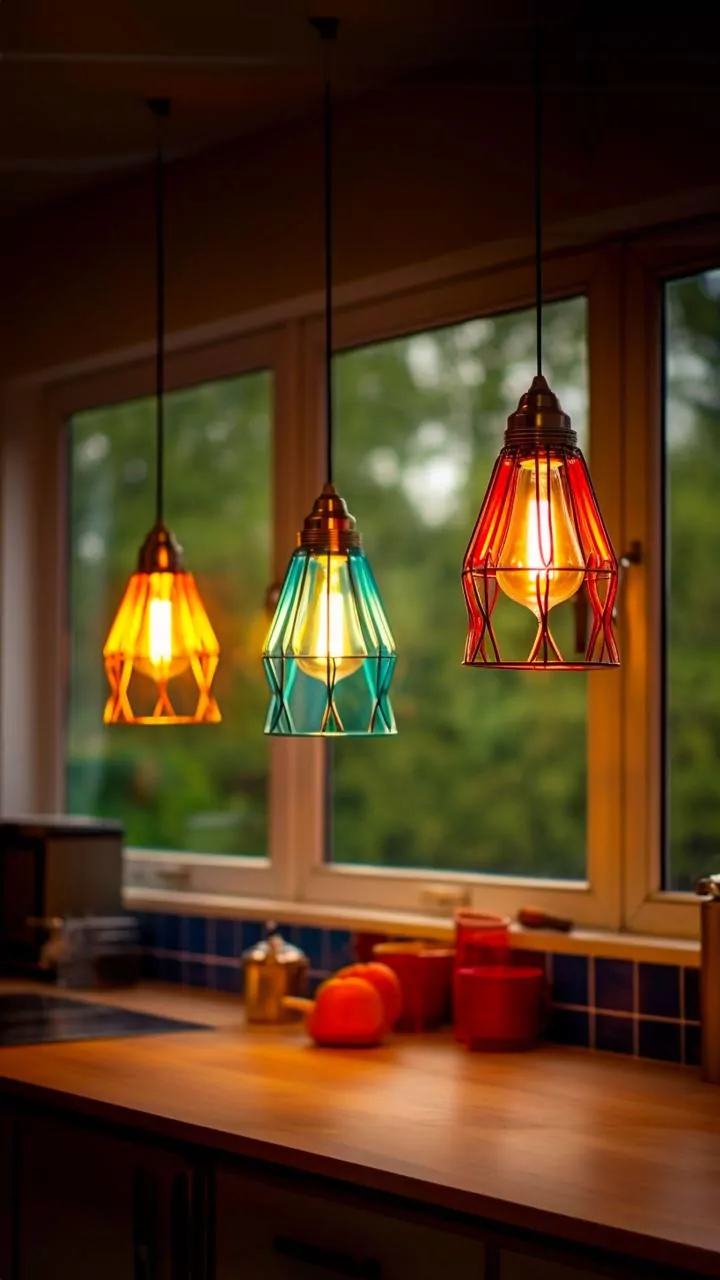
Organizers often highlight specific features in a home that inadvertently create a sense of unease or discomfort, despite a homeowner's best intentions. One pervasive issue is clutter; an excess of objects, whether displayed or hidden, creates visual noise and a feeling of being overwhelmed. Poor lighting is another culprit; spaces that are too dim feel gloomy, while overly harsh lighting can feel sterile and unwelcoming. Lack of functional zoning, where distinct areas for relaxation, work, or dining aren't clearly defined, can lead to a chaotic feel. Additionally, an overabundance of hard surfaces without the softening effect of textiles can make a room feel cold and uninviting. Finally, inconsistent temperature control or drafts contribute to physical discomfort, detracting from the overall sense of sanctuary.
Evolving Home Habits
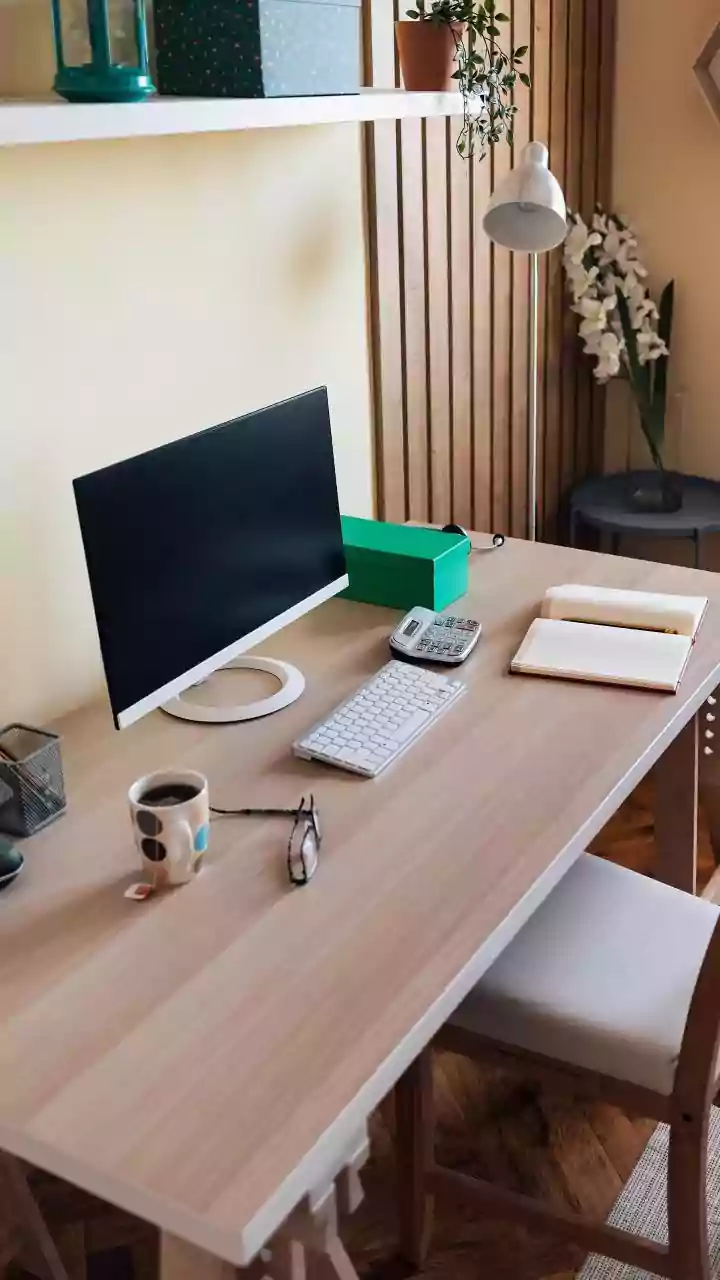
A significant shift is emerging in how we approach our homes, with designers observing a move towards more mindful and adaptable living spaces. This evolving habit centers on embracing flexibility and prioritizing well-being. For instance, the concept of 'Recluttering' has gained traction, suggesting a curated approach to possessions, focusing on items that bring joy or serve a purpose, rather than simply accumulating. This encourages intentionality in what we bring into our homes. Furthermore, the integration of multi-functional furniture and adaptable layouts reflects a growing need for spaces that can easily transition between different uses, accommodating remote work, hobbies, and relaxation. This trend signifies a move away from rigid, static environments towards more dynamic and responsive living areas, reflecting a positive change in 2026.
Timeless Couch Styles
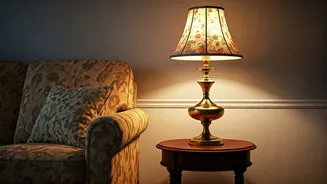
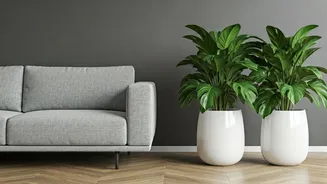
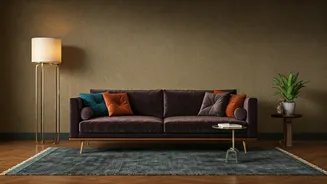
Certain couch styles, while perhaps fashionable at one point, can quickly date a living room and detract from its overall aesthetic appeal. Designers often identify specific silhouettes that have fallen out of favor. For example, heavily skirted sofas, with fabric panels that sweep the floor, can look dated and heavy. Overly ornate or bulky designs with excessive padding and intricate detailing also tend to feel old-fashioned. Similarly, sofas with very low, wide arms that are excessively rolled or squared off can appear out of sync with contemporary design sensibilities. The emphasis today is on cleaner lines, more streamlined forms, and adaptable designs that can blend with various decor styles, rather than dominating the space with an outdated statement.