






Gelatin Foundation
The first crucial step in creating robust whipped cream involves preparing the unflavored gelatin. Begin by combining a small amount of cold water with
powdered gelatin in a microwave-safe bowl. Allow this mixture to rest for about five minutes. This essential 'blooming' phase enables the gelatin granules to fully absorb the water, ensuring they dissolve smoothly without any frustrating clumps later on. Following the bloom, gently heat the gelatin in the microwave, using short bursts of around five seconds until it becomes completely fluid. The goal is a clear, liquid consistency, not a hot one, as excessive heat can diminish the gelatin's effectiveness. It's vital that this liquefied gelatin is allowed to cool slightly before it's introduced to the cream. This slight cooling prevents the warmth from melting the fat structure within the cream, which is necessary for proper aeration. If at any point the gelatin begins to solidify, a quick five-second reheat will restore its liquid state.
Cream Aeration Technique
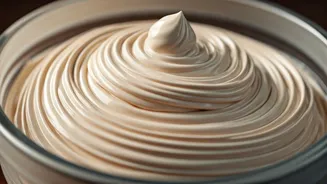
With the gelatin prepared and slightly cooled, the next phase is to whip the heavy cream. Employ a stand mixer fitted with a whisk attachment for optimal results. Introduce the heavy cream, powdered sugar, and vanilla extract into the mixer's bowl. Commence whipping at a low speed; this initial stage is designed to cultivate small, stable air bubbles within the cream. Gradually elevate the mixer's speed to medium and continue whipping until the mixture reaches a consistency just shy of soft peaks. An alternative method involves using a thoroughly chilled bowl and whisking by hand. Maintaining a lower temperature throughout this process is paramount, as it aids the fat globules in trapping air more efficiently, thus contributing to a more stable foam structure. This controlled aeration is key; it allows the fat to partially coalesce, which stabilizes the trapped air without causing the cream to become overwhipped or grainy.
Integrating Stabilizer
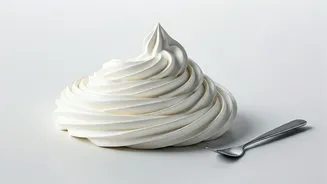
The final, pivotal step in achieving stabilized whipped cream is the careful incorporation of the prepared gelatin. With the mixer still running at a medium speed, slowly and steadily pour the dissolved gelatin mixture into the whipping cream. Introducing the gelatin at the soft peak stage is critical because it ensures the stabilizer is dispersed uniformly throughout the airy foam. Once the gelatin is added, increase the mixer's speed to medium-high and continue whipping for an additional 30 to 60 seconds, or until your desired peak consistency is achieved. As this warm gelatin mixes with the cooler cream, it begins to solidify as it cools down. This solidification process creates a delicate yet effective protein network throughout the whipped cream. This network acts as a scaffold, preventing the air pockets from collapsing and thereby preserving the volume and smooth texture. Furthermore, this stabilizing effect inhibits 'weeping,' where water separates from the fat, ensuring your whipped cream remains pristine.