



The HbA1c Connection
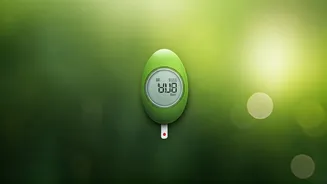
The HbA1c test serves as a crucial indicator, offering a three-month average of an individual's blood glucose levels. Recently, television personality
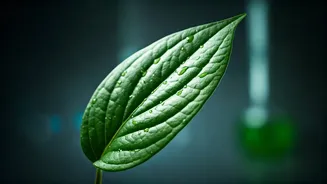
Aishwarya Sakhuja raised a question regarding her nutritionist's inclusion of betel leaf in her diet, specifically aiming to lower her HbA1c. Sakhuja highlighted the leaf's historical significance in Ayurvedic practices, suggesting that modern science is increasingly validating its medicinal properties. This curiosity prompted a closer examination of betel leaf's potential role in diabetes management, moving beyond its traditional cultural uses to investigate its physiological effects on blood sugar regulation.
Betel Leaf's Potential Benefits
Dr. Vijay Negalur, a diabetologist, shed light on the scientific basis behind the betel leaf's potential to assist in managing diabetes. He noted that the plant contains compounds possessing antioxidant and mild anti-inflammatory properties. Emerging studies suggest that consuming betel leaves could contribute positively to glucose metabolism. While acknowledging that controlled HbA1c levels are typically a result of a multifaceted approach—encompassing healthy eating, weight management, exercise, and consistent monitoring—Dr. Negalur indicated that betel leaf consumption might play a supplementary role in this overall strategy. It's important to understand that the leaf acts as an adjunct rather than a standalone solution.
Mechanism of Action
The specific way betel leaves might help control blood sugar is by potentially enhancing the body's sensitivity to insulin. Insulin is a vital hormone that allows the body's cells to absorb glucose from the bloodstream for energy. When insulin sensitivity is improved, the body can utilize available insulin more effectively, leading to better regulation of blood sugar levels. This enhanced cellular uptake of glucose helps prevent it from accumulating excessively in the bloodstream, thus contributing to the lowering of both immediate blood sugar readings and, over time, the HbA1c value. This process is key to achieving better metabolic control for individuals with diabetes.
Safety and Consumption
For individuals managing diabetes, the inclusion of betel leaf in their diet is generally considered relatively safe, provided it is consumed in its pure form. Dr. Negalur strongly advises against consuming betel leaves that are prepared with tobacco or areca nut (supari), as these additions can be detrimental to health, especially for diabetics. The recommended ways to incorporate betel leaf are either by consuming it plain after meals or by drinking water that has been boiled with a betel leaf. These methods allow for the potential benefits of the leaf to be harnessed without introducing harmful additives.
Not a Medicine Replacement
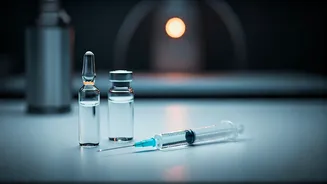
It is critically important to understand that betel leaf, while potentially beneficial, cannot and should not be used as a substitute for prescribed diabetes medications. Dr. Negalur emphatically stresses that betel leaf is a natural remedy that can be integrated into a healthy diet to support blood glucose management. However, it does not possess the power to replace the efficacy of conventional medicines. The HbA1c test reflects a three-month average, and achieving significant reductions in blood glucose levels requires a sustained, comprehensive approach. No natural remedy, including betel leaf, can drastically lower these levels in a short timeframe. Always adhere to your doctor's prescribed treatment plan.