






The Caffeine Withdrawal Cycle
Many coffee enthusiasts find themselves in a difficult spot when high blood pressure signals the need to cut back on their daily brew. A common concern
revolves around the intense headaches experienced after just a couple of days without caffeine. This phenomenon is a direct result of your body's adjustment to reduced stimulant levels. According to medical experts, these withdrawal headaches are a normal and expected response. They typically manifest within 12 to 24 hours of your last dose and can persist for anywhere from two days to a full week, sometimes even longer. This period reflects your physiological system recalibrating from a consistent influx of caffeine, making abrupt cessation a physically jarring experience that can discourage further attempts.
Gradual Tapering: The Safer Path
While the urge to quit coffee in one swift move might seem appealing, it often leads to an unpleasant cycle of withdrawal symptoms. Medical professionals strongly advocate for a more gentle approach, suggesting a gradual reduction in caffeine consumption over a period of one to two weeks. This method is considered the safest way to transition, allowing your body to adapt more comfortably to lower caffeine levels. By slowly decreasing intake, you can significantly minimize or even avoid issues like headaches, fatigue, and irritability. Furthermore, a phased reduction offers you the opportunity to closely monitor how your blood pressure responds to these changes, making the entire process more manageable and less stressful for both your body and your routine.
Alternatives for Energy Boosts
Giving up coffee doesn't mean sacrificing your energy levels. Several natural alternatives can help you feel more alert and revitalized without the adverse effects on blood pressure. Options like green tea and various herbal teas offer a mild energy lift with significantly less caffeine, making them much gentler on your cardiovascular system. Beyond beverages, simple lifestyle adjustments can also contribute to sustained energy. Staying well-hydrated with plain water, or opting for refreshing drinks like lemon water or coconut water, can provide a natural boost. Additionally, incorporating short walks into your daily routine can invigorate your mind and body. These simple replacements, when integrated thoughtfully, make the journey away from coffee considerably smoother and support your overall well-being.
Coffee's Blood Pressure Connection
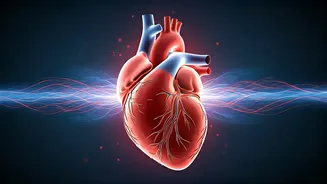
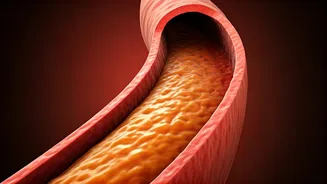
The link between coffee consumption and blood pressure is a significant consideration, particularly for individuals whose doctors have advised them to monitor their BP. Caffeine is known to cause a transient elevation in blood pressure by stimulating the heart's activity and constricting blood vessels. For certain individuals, this effect can be more pronounced. Therefore, reducing or completely discontinuing coffee intake can potentially lead to a modest decrease in blood pressure readings over time, especially for those who are particularly sensitive to caffeine's effects. While coffee might not be the sole determinant of blood pressure levels, it can be a contributing factor in managing hypertension and improving cardiovascular health.