




Seed Appearance & Texture
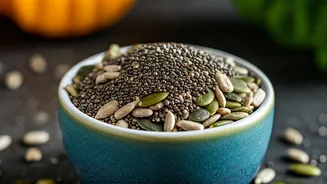
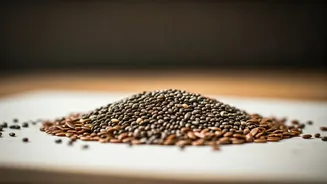
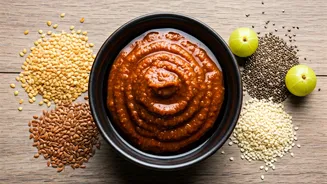
Chia seeds are minute, uniformly round seeds, available in black or white varieties, and possess a virtually unnoticeable flavor. Their characteristic
trait is their ability to absorb liquids and transform into a gel-like substance, making them ideal for creating puddings and thickening beverages. In contrast, flax seeds are slightly larger and oval-shaped, offering a subtle nutty taste and coming in either brown or golden forms. For optimal nutritional absorption, it's widely recommended to consume flax seeds in their ground form, as whole seeds may pass through the digestive system undigested, diminishing their potential health benefits. This difference in consumption method is crucial for unlocking their full nutritional potential.
Nutritional Showdown: Fiber & Fats
When comparing roughly 30-gram servings, both seeds offer a similar caloric count (around 140-150) and protein content (approximately 5 grams). However, key distinctions emerge in their fiber and omega-3 fatty acid profiles. Chia seeds typically lead in total fiber content, offering about 10 grams compared to flax seeds' 8 grams. The gel-forming capacity of chia’s fiber aids in satiety and gentle digestion. Flax seeds, while slightly lower in total fiber, boast a greater proportion of soluble fiber, which some studies associate with improved cholesterol management. Flax seeds are the undisputed champions of omega-3s, specifically alpha-linolenic acid (ALA), a plant-based omega-3 vital for combating inflammation, supporting cardiovascular health, and cognitive function. Although chia seeds also provide a good amount of ALA, flax seeds generally contain higher quantities.
Minerals, Antioxidants & Protein
Beyond fiber and fats, these seeds offer a diverse range of micronutrients and bioactive compounds. Chia seeds typically provide more calcium, beneficial for bone health, and a slightly higher iron content. Flax seeds stand out for their abundant lignans, a type of antioxidant with potential roles in hormone balance, particularly concerning estrogen-sensitive conditions. Both seeds are rich in antioxidants, though they present them in different forms; flax's lignans are frequently highlighted for their protective effects, while chia offers a variety of other beneficial polyphenols. While protein levels are comparable, some sources suggest chia seeds offer a more complete amino acid profile, potentially making them a more balanced protein source.
Health Perks & Benefits
Both chia and flax seeds contribute significantly to digestive well-being due to their high fiber content, though it’s advisable to introduce them gradually to avoid digestive discomfort. Their omega-3 fatty acids and fiber content play a role in promoting heart health by potentially reducing LDL cholesterol levels and aiding in blood sugar regulation by slowing down digestion. The fiber content also promotes a sense of fullness, which can be a valuable asset for weight management. Some research indicates chia seeds might offer a slight advantage in sustained satiety and post-meal blood sugar stabilization, attributed to their gel-forming properties. Flax seeds, conversely, have more established evidence supporting hormone balance and potentially superior antioxidant activity stemming from their lignan content.
Potential Downsides & Precautions
Given their high fiber density, consuming excessive amounts of either seed, especially without adequate hydration, can lead to bloating and gas. Individuals with specific digestive issues should consult a healthcare professional before incorporating them into their diet. A crucial consideration for flax seeds is their need for grinding to ensure optimal nutrient absorption, and that ground flax has a shorter shelf life, requiring refrigerated storage to prevent rancidity. Chia seeds are more versatile and forgiving; they can be consumed whole or soaked, offering greater convenience without compromising their nutritional value. It is always prudent to seek advice from a doctor or nutritionist regarding significant dietary changes, particularly if you have pre-existing health conditions.
Making the Smart Choice
The differences between chia and flax seeds are subtle, and many nutritionists advocate for incorporating both into one's diet for a broader spectrum of nutrients. Opt for chia seeds if your priority is increased fiber intake, smoother digestion, enhanced calcium absorption, or achieving a pudding-like consistency. Choose flax seeds if you are seeking higher levels of omega-3s, the hormone-balancing benefits of lignans, or a pleasant nutty flavor. Ultimately, the most beneficial superfood is the one you will consistently consume. Begin by selecting the seed whose taste and texture you find most appealing, and gradually build it into your daily routine by adding them to salads, smoothies, or oatmeal. Both are far superior choices to processed snacks, contributing valuable fiber, healthy fats, and essential nutrients to your diet.