




Ancient Origins
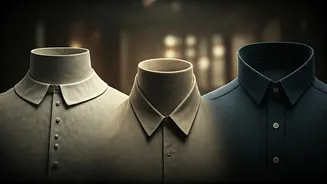
The story of the shirt collar begins not with fashion, but with practicality, specifically in the 15th century. Initially, collars served a crucial function:
to shield the neck from the rough, stiff fabrics of religious garments. This early iteration was less about aesthetic appeal and more about personal comfort and preventing chafing. Imagine the discomfort of coarse, ceremonial robes against bare skin; the collar was a simple yet effective buffer. This foundational purpose, though evolved, hints at the collar's enduring role in enhancing the wearability of clothing and providing a subtle layer of protection that has persisted through centuries of sartorial development.
Renaissance Flourish
As we moved into the Renaissance, the humble collar underwent a dramatic transformation, shedding its purely functional skin to embrace a role as a potent symbol of wealth and social standing. It evolved from a simple protective band into elaborate, often starched creations known as ruffs. These weren't just mere necklines; they were extravagant displays worn by the aristocracy, signaling prosperity and the wearer's access to specialized craftsmanship. The sheer volume and intricacy of ruffs required significant resources and effort to create and maintain, making them exclusive markers of the elite. This period marks the collar's definitive shift from a utilitarian component to a prominent fashion statement.
Structural and Protective
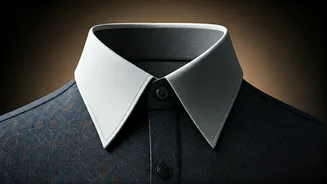
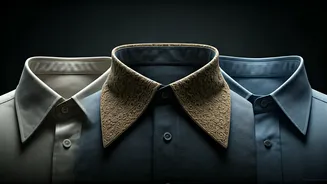
Beyond its historical flair, the collar contributes significantly to the overall structure and presentation of a shirt. It acts as a framing device for the face, subtly drawing attention upwards and bestowing a sense of completeness and polish to the garment. For formal occasions, this structural integrity is paramount, lending an air of sophistication and order that collarless garments often lack. Furthermore, in its earlier forms, the collar provided a degree of protection against the elements, offering a barrier against cold winds and the abrasive nature of heavier outerwear. This dual role – enhancing appearance and offering subtle protection – has ensured its continued relevance in diverse clothing designs.
Nineteenth Century Innovation
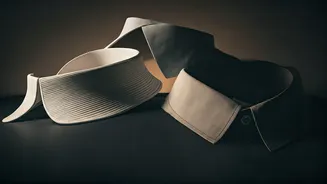
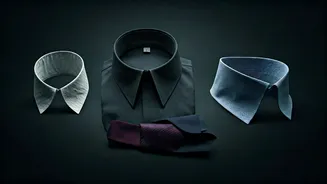
The 19th century introduced a highly practical innovation that addressed a significant challenge of the era: detachable collars. Before this, washing an entire shirt, with its integrated collar, was a laborious and time-consuming process. Detachable collars offered a clever solution. These could be easily removed from the shirt, allowing for separate cleaning and laundering. This meant that a few detachable collars could service multiple shirts, making laundry more manageable and extending the lifespan of garments. This innovation highlighted a growing emphasis on convenience and efficiency in everyday life, even as collars continued to signify formality.
Modern Symbolism
In contemporary fashion, the presence or absence of a collar continues to carry distinct connotations, particularly regarding formality and professionalism. Collared shirts remain the standard for business attire, professional settings, and formal events, projecting an image of seriousness and respectability. Conversely, collarless shirts, such as T-shirts and certain casual button-downs, are widely accepted and preferred in more relaxed environments. This dichotomy underscores how a seemingly simple design element has maintained its power to communicate social cues and expectations, shaping our choices based on the context and the impression we wish to make.