
Hydrate and Thrive
Staying adequately hydrated is paramount for alleviating PMS symptoms, particularly bloating. The body often retains excess water during this time, leading
to discomfort. Drinking plenty of water helps flush out this extra fluid, reducing swelling and promoting a feeling of lightness. Aim for at least eight glasses of water daily, especially in the week leading up to your period. Moreover, consider incorporating herbal teas, like ginger or chamomile, which can have anti-inflammatory effects and provide additional hydration benefits. Limiting sodium intake is equally crucial, as sodium causes the body to retain water, potentially worsening bloating. Opt for fresh, unprocessed foods and be mindful of hidden sources of salt in processed snacks and ready-made meals. Prioritizing hydration, therefore, offers a straightforward yet impactful approach to managing PMS symptoms naturally. This strategy encourages bodily functions to perform properly, allowing for a more comfortable and manageable monthly experience. This approach provides a practical way for women to take control of their well-being.
Embrace Anti-Inflammatories
Inflammation plays a significant role in PMS symptoms, contributing to pain, cramps, and mood swings. Incorporating anti-inflammatory foods into your diet can significantly lessen these effects. Fatty fish, such as salmon, mackerel, and sardines, are rich in omega-3 fatty acids, which have potent anti-inflammatory properties. Consider including these in your meals a few times a week. Adding spices like turmeric, ginger, and cinnamon to your cooking is also beneficial. Turmeric, specifically, contains curcumin, which has powerful anti-inflammatory effects. These spices can be easily added to curries, stews, or even smoothies. Additionally, focus on eating plenty of fruits and vegetables, especially those with vibrant colors. These foods are packed with antioxidants that help fight inflammation. Berries, leafy greens, and cruciferous vegetables like broccoli and cauliflower are excellent choices. By prioritizing these anti-inflammatory foods, you are not only tackling the symptoms, but are also bolstering your overall health and well-being during this sensitive time of the month, making it easier to go about your daily life.
Fiber-Rich Foods
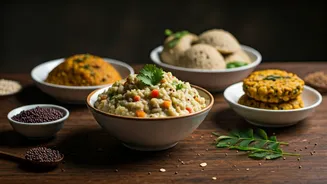
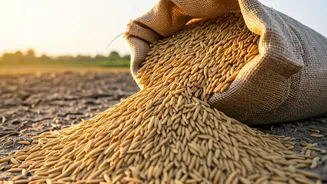
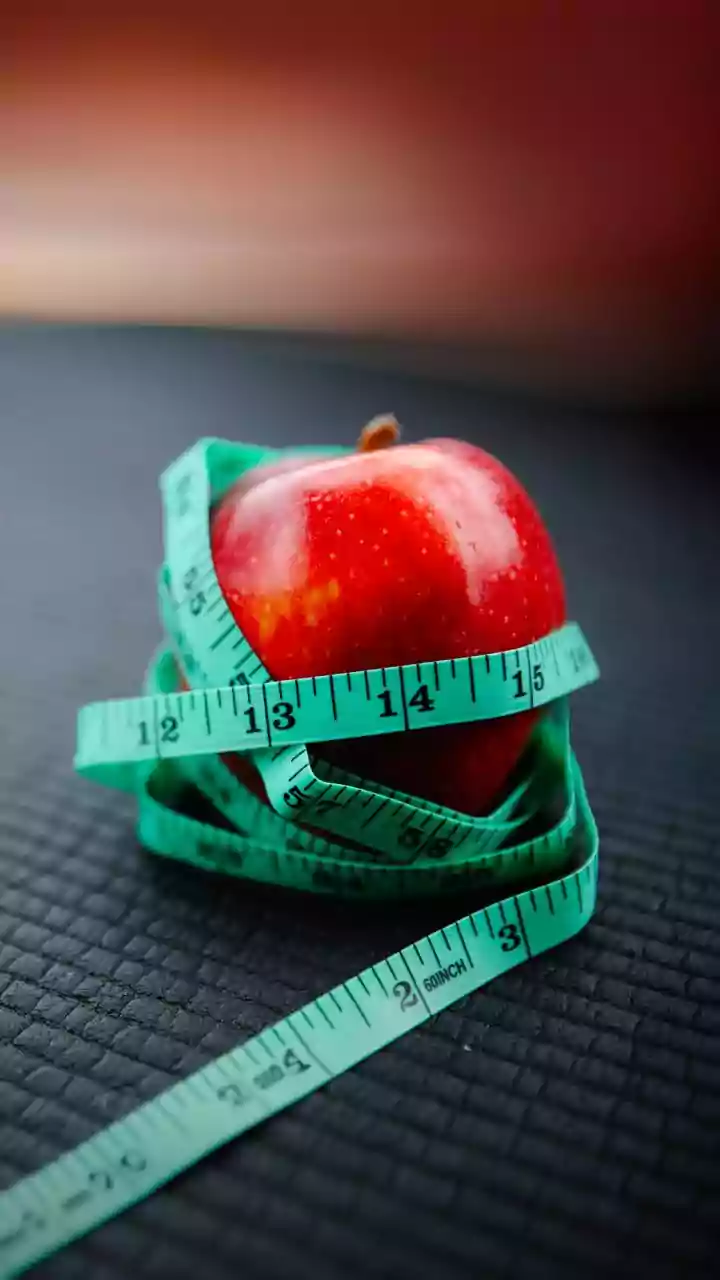
Constipation is a common issue during the premenstrual phase, which often exacerbates bloating and discomfort. A diet rich in fiber can help regulate bowel movements and alleviate these problems. Fiber adds bulk to your stool, making it easier to pass and preventing constipation. Good sources of fiber include whole grains, such as oats, brown rice, and quinoa. Including these in your breakfast, lunch, or dinner can significantly improve your digestive health. Legumes, such as beans, lentils, and chickpeas, are also excellent sources of fiber and offer the added benefit of being packed with protein. Fruits and vegetables are also rich in fiber, and it’s important to eat a variety of them daily. Apples, bananas, berries, and leafy greens are all great options. Aim to consume at least 25-30 grams of fiber per day. Drinking plenty of water alongside a high-fiber diet is crucial, as water helps the fiber move through your digestive system effectively. By increasing fiber intake, you can effectively counteract bloating and other gastrointestinal symptoms associated with PMS. This simple dietary adjustment leads to better digestion and enhanced overall comfort.
Limit Processed Foods
Processed foods are often laden with high levels of sodium, sugar, and unhealthy fats, all of which can worsen PMS symptoms. Sodium contributes to water retention and bloating, making you feel uncomfortable. Excessive sugar intake can lead to mood swings and energy crashes, while unhealthy fats can promote inflammation. Therefore, minimizing your consumption of processed foods is crucial for managing PMS. This means reducing your intake of packaged snacks, fast food, and ready-made meals. Instead, opt for whole, unprocessed foods like fresh fruits and vegetables, lean proteins, and whole grains. Read food labels carefully and be aware of hidden sources of sodium, sugar, and unhealthy fats. Make your own meals at home whenever possible, so you have control over the ingredients. Cooking at home allows you to use healthier alternatives like olive oil instead of butter, and you can reduce the amount of added salt and sugar. Choosing fresh ingredients over processed alternatives is a simple, yet effective step towards reducing PMS symptoms. This conscious choice empowers you to take charge of your well-being, leading to a more comfortable and balanced monthly cycle.
Calcium and Magnesium
Certain micronutrients, like calcium and magnesium, have been found to be beneficial in mitigating PMS symptoms. Calcium is known for its role in muscle relaxation, potentially easing menstrual cramps and discomfort. Magnesium can also help relax muscles and regulate mood, both crucial during the premenstrual phase. Good sources of calcium include dairy products such as milk, yogurt, and cheese. If you are lactose intolerant, you can obtain calcium from leafy green vegetables like kale and spinach, or from fortified plant-based milk alternatives. Magnesium can be found in nuts, seeds, dark chocolate (in moderation), and whole grains. Consider including a handful of almonds or a serving of pumpkin seeds in your daily diet. Incorporating these nutrients through food can be a natural way to reduce PMS symptoms. If you find it challenging to consume sufficient amounts through food alone, you might consider talking to your healthcare provider about taking supplements. As always, consult a healthcare professional before making any significant changes to your diet or supplementing your routine, ensuring a personalized approach that aligns with your individual needs and health profile. Supplementing, if advised by a professional, is a more effective method to reach your daily requirement of these nutrients.