


Pots for Problematic Soil
When your garden's natural soil presents challenges, containers become your best allies for growing herbs. If your soil drains poorly, meaning it holds
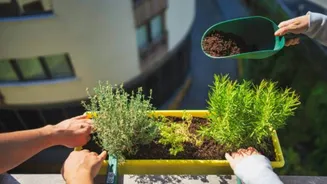
too much water, or if it’s heavy and compacted, a pot offers a convenient solution. You can easily introduce a specially formulated, well-draining potting mix that perfectly suits the needs of your chosen herbs. This control over soil composition is especially beneficial in regions with persistently wet climates, where amending the ground to improve drainage can be a constant battle. Furthermore, pots provide a way to manage aggressive spreaders like mint. By confining them to containers, you prevent them from taking over your entire garden bed and becoming a nuisance. The flexibility of pots also extends to their placement; they can be elevated for easier harvesting or moved indoors to extend their productive season, offering a practical advantage for any gardener.
Ground for Favorable Earth
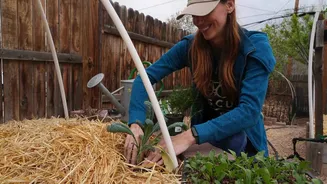
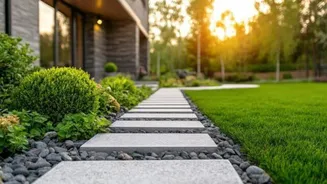
If your soil conditions align with the preferences of your herbs, planting them directly in the ground can be highly rewarding. Herbs generally prefer well-draining soil that remains consistently moist but not waterlogged. In climates that are very dry, you might find yourself constantly watering herbs in pots, making in-ground planting a more manageable option provided you have adequate moisture. Conversely, if your soil is already rich and can retain a good balance of moisture, certain herbs will flourish. For instance, in areas with richer soils, herbs like basil, dill, parsley, fennel, and chervil often thrive due to their ability to handle higher moisture levels. Similarly, if your soil is sandier, varieties such as lavender, thyme, and rosemary are excellent candidates for in-ground planting. The key is to understand your soil's composition and match it with the specific needs of the herb you wish to grow.
Key Deciding Factors
To determine the optimal location for your herbs, consider two fundamental aspects: your soil's characteristics and your local climate. Master gardener John LoRusso emphasizes that herbs need excellent drainage and moist, but not saturated, soil. If your garden soil is heavy, prone to waterlogging, or too acidic (most herbs prefer a pH between 6 and 7), pots are the superior choice. Containers allow you to curate the perfect soil blend. Moreover, think about convenience and your commitment to watering. Soil in pots tends to dry out more quickly than in the ground, so daily watering might be necessary. Pots also offer the advantage of accessibility; they can be placed at table height for effortless harvesting or positioned closer to your home for easy access. If you're unsure about your soil's quality or if it's unsuitable for specific herbs, opting for pots is a foolproof way to ensure success and avoid disappointment.
Herbs That Thrive in Pots
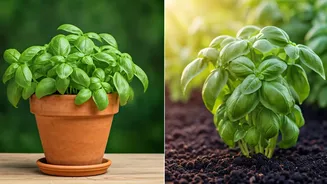
Containers are a versatile solution for a wide range of herbs, especially those that don't fare well in your garden's native soil or have a tendency to spread aggressively. Any herb that requires a specific soil mix you can't easily achieve in the ground is a prime candidate for pot cultivation. This is particularly true if you're new to gardening and unsure about assessing your soil's texture or pH. For notorious spreaders like mint and spearmint, pots are essential to prevent them from becoming invasive and taking over your garden space. Beyond managing problematic soils and invasive growth, pots offer practical benefits such as easy relocation. You can move them to catch more sun, protect them from harsh weather, or bring them indoors to extend their harvest season well into the cooler months. Unglazed clay pots are often recommended as they are porous, allowing for better air circulation and moisture regulation.
Herbs Suited for Ground
Certain herbs are perfectly content, and often thrive, when planted directly into the earth, provided your soil conditions are favorable. In locales with rich, well-draining soil, a variety of popular herbs will flourish. For instance, basil, dill, parsley, fennel, and chervil are good choices for areas where the soil retains a beneficial level of moisture without becoming waterlogged. These herbs appreciate the ample space and nutrient access that ground planting provides. If your soil has a sandier composition, certain Mediterranean herbs will find it to their liking. Lavender, thyme, and rosemary are examples of herbs that prefer drier conditions and can do very well in sandy soils. The success of in-ground herb planting hinges on matching the herb's natural preferences to the existing soil type and climate of your garden. If your soil doesn't meet these requirements, it's always advisable to opt for containers.