





Understanding Insulin Resistance
Many individuals newly diagnosed with type 2 diabetes still have a functioning pancreas that produces insulin. However, their bodies don't effectively
utilize this vital hormone, a condition known as insulin resistance. This means that even when insulin is present, it struggles to usher glucose from the bloodstream into cells for energy. Fortunately, adopting a health-conscious lifestyle—focusing on a balanced diet, consistent physical activity, and maintaining a healthy weight—can significantly improve the body's sensitivity to insulin. By making these adjustments, individuals can often regulate their blood sugar levels effectively, negating the immediate need for medication. This initial phase highlights the powerful role of proactive self-care in managing the condition and preventing complications by improving the body's natural insulin response.
Pancreatic Function Decline
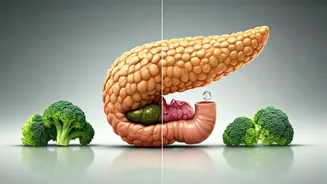
Over time, the pancreas, the organ responsible for insulin production, can experience a decline in its ability to generate sufficient insulin. For some people, this wear-and-tear happens more rapidly, leading to a point where their body simply cannot produce enough insulin to manage blood glucose levels adequately. When this stage is reached, lifestyle modifications alone may no longer be enough to maintain healthy sugar readings. At this juncture, insulin or other prescribed medications become necessary to supplement the body's declining insulin production and ensure stable blood sugar levels, thereby preventing long-term health issues associated with uncontrolled diabetes.
Key Influencing Factors
Several elements contribute to whether an individual with type 2 diabetes will eventually require insulin. The duration of the condition is a significant factor; the longer someone has lived with diabetes, the more likely it is that their insulin-producing capacity may diminish. Furthermore, an individual's genetic predispositions, the age at which they were diagnosed, their current body weight, and their overall metabolic health all play crucial roles. For instance, individuals diagnosed at a younger age or those who present with extremely high blood sugar levels at the outset of their diagnosis might necessitate earlier medical intervention and potentially insulin therapy sooner in their disease trajectory. These factors collectively shape the personalized path of diabetes management.
Insulin: Not a Failure
It's a widespread misconception that needing insulin signifies a severe or poorly managed case of diabetes, or that it represents a last resort. In reality, insulin is simply another highly effective tool for controlling blood sugar levels. Many people experience type 2 diabetes as a condition that evolves over time, meaning their treatment plan often needs to adapt along the way. The ultimate objective remains consistent: achieving stable blood glucose levels and actively preventing the onset of diabetes-related complications. Regardless of whether management is achieved through lifestyle changes alone or with the aid of insulin, consistent blood sugar monitoring, a nutritious diet, regular physical activity, and ongoing medical supervision are absolutely vital for maintaining long-term health and a good quality of life.