






Heat-Generating Vegetables
During intense heatwaves, our bodies work overtime to regulate temperature. Consuming certain vegetables can add to this internal heat load, making us
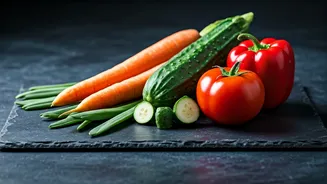
feel more uncomfortable. Root vegetables like carrots, radish, and turnips are dense with complex carbohydrates and fiber, requiring significant metabolic energy to digest, which in turn generates heat. Brinjal, or eggplant, possesses natural thermogenic properties that can lead to bloating when the body is already overheated. Similarly, mustard greens (sarson) are known for their heat-producing nature and can worsen conditions like heat rashes and inflammation. Even seemingly simple vegetables like raw drumstick pods, despite their nutritional value, are fibrous and stimulate digestion, slightly raising core body temperature. Raw onions, while having a cooling effect in small quantities, can become pungent and gas-forming when consumed excessively, stressing the digestive system during heat stress. Cluster beans (guar phalli) are rich in oligosaccharides, which can lead to fermentation in the gut, causing distress and potentially increasing the risk of dehydration due to impaired fluid absorption. The commonality among these vegetables is their tendency to increase metabolic heat, hinder fluid retention, or overburden an already challenged digestive system.
Problematic Cooking Methods
The way vegetables are prepared significantly influences their impact on body temperature, even for those considered relatively neutral. Deep-frying any vegetable, such as creating bhindi fry or brinjal bhaja, dramatically increases its fat content. This makes it harder for the stomach to process, slowing down gastric emptying and subsequently raising internal body heat. Dry roasting, on the other hand, reduces moisture content, concentrating the heat-producing compounds without the cooling effect of water. Furthermore, employing heavy spice tempering (tadka) with ingredients like dried red chilies, cloves, black pepper, and garam masala acts as a potent thermogenic agent. These spices stimulate blood circulation and promote sweating, which can accelerate dehydration during hot weather. Sautéing vegetables with excessive oil can also be detrimental, as the oil coats the intestinal lining, potentially delaying nutrient absorption and increasing digestive effort. In contrast, methods like steaming, boiling, or lightly stir-frying are far more beneficial. These techniques help preserve the vegetable's natural water content, minimize the digestive burden, and result in a meal that is genuinely lighter and easier for the body to manage during periods of high heat.
Cooling Diet Modifications
Adapting your diet during a heatwave involves shifting from dense, heat-generating foods to those that are naturally cooling and hydrating. It's advisable to prioritize water-rich vegetables like bottle gourd (lauki), ridge gourd (turai), ash gourd, cucumber, and raw banana. These options are not only easily digestible but also packed with essential electrolytes like potassium and magnesium, which are crucial for replenishing what's lost through sweat. For essential nutrients like iron and folate, opt for lightly steamed spinach or colocasia leaves instead of mustard greens. To replace cluster beans, consider green moong sprouts, which offer similar protein content with significantly less fermentation and digestive discomfort. Furthermore, eating smaller, more frequent meals is more beneficial than consuming large ones, as larger meals generate more metabolic heat. Don't discard the water used for boiling vegetables; it's a valuable source of B vitamins and minerals. Adding a squeeze of lemon can provide vitamin C, which aids in iron absorption, even in lighter preparations. As a general rule, vegetables that are more than 90% water by nature are excellent choices for your summer plate. Nutrition does not need to be compromised; the key lies in reinventing preparation methods to suit the season.