
Sankranti and Tilgul
Makar Sankranti is a vibrant festival, and it is inextricably linked with the sweetness of til-gur. This tradition beautifully reflects the seasonal changes,
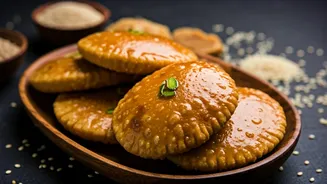
a testament to the wisdom of eating according to what nature provides. Chef Vikram Debnath's exploration of Tilgul Poli at Suka Brew and Kitchen highlights how this sweet embodies the essence of the festival. Tilgul Poli represents a connection to the warmth and generosity associated with Makar Sankranti. The use of sesame seeds (til) and jaggery (gur) in Tilgul Poli has deep cultural roots, symbolizing the sharing of joy and good tidings during this auspicious time. It’s a treat that not only warms the body but also evokes a sense of community and celebration. This culinary tradition illustrates how food can be a powerful medium for connecting with cultural heritage and embracing seasonal rhythms.
Seasonal Eating Wisdom
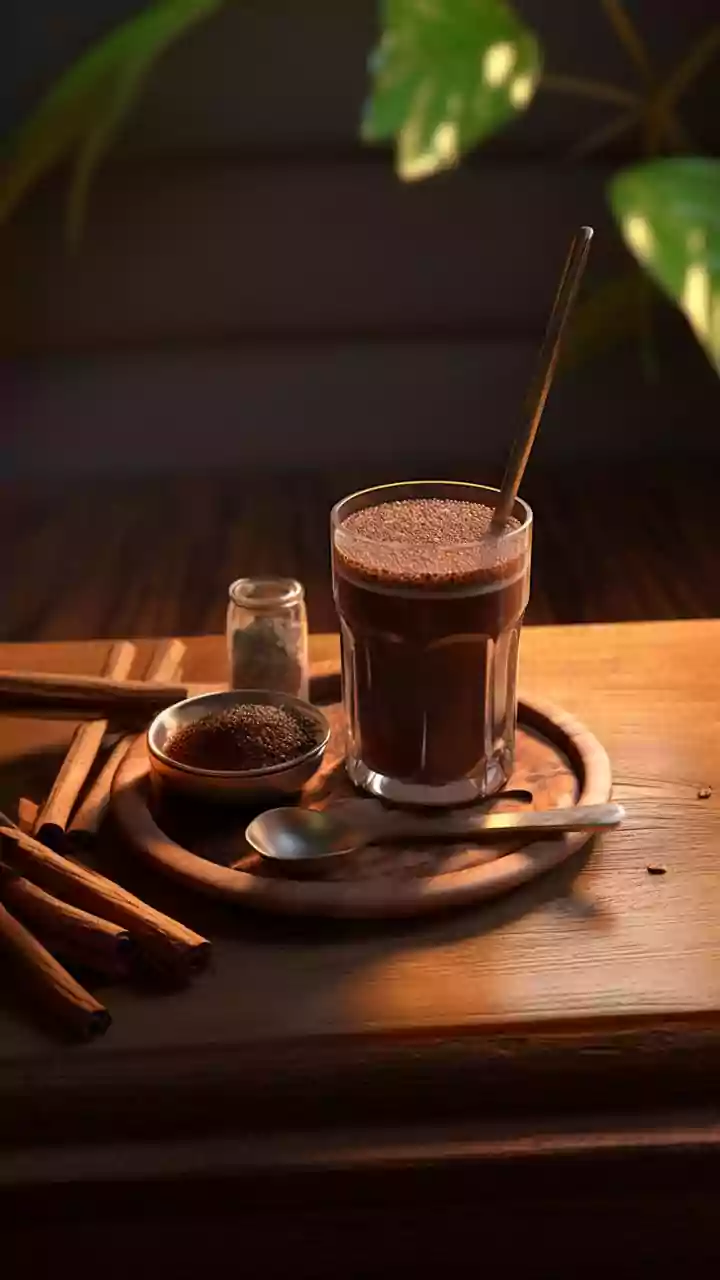
The practice of eating til-gur during Makar Sankranti is a prime example of seasonal intelligence in action. This ancient practice aligns with the body's needs during the winter months. Sesame seeds and jaggery, the main ingredients in til-gur, possess properties that are beneficial during the colder weather. The ingredients work together to generate heat, and the sweet is often paired with a cup of warm beverage. This approach to eating reflects an understanding of how to support the body’s health. This wisdom recognizes the importance of aligning diet with the natural environment. From the choice of ingredients to the preparation methods, every aspect of til-gur reflects a deep understanding of seasonal eating. The practice offers a gentle reminder to connect with nature's rhythms, promoting a healthier lifestyle. The ingredients are selected specifically to create a sweet that provides warmth and boosts the body’s resistance against common ailments of winter.
Til-Gur Beyond Poli
While Tilgul Poli is a popular way to enjoy til-gur, the combination of sesame seeds and jaggery has found its way into other delicious treats as well. Another popular treat is chikki, a crisp, sweet snack, perfect for enjoying the Makar Sankranti festivities. Chef Somnath Porel, at Elements by Rosetta, has explored his take on this treat. These innovative recipes showcase how traditional ingredients can be reimagined in modern ways, creating new and exciting taste experiences. These variations ensure the warmth and joy associated with til-gur can be enjoyed in different forms. They also highlight the culinary creativity and adaptability that makes the sweet so enduring. These treats prove how the core essence of til-gur can be transformed and enjoyed by everyone. The sweet is a testament to the dynamic nature of food and its ability to evolve while preserving its core cultural significance.
Enduring Relevance Today
Til-gur still maintains its relevance in today's world because it offers more than just a sweet treat; it provides a connection to cultural heritage and a reminder of the wisdom of seasonal eating. The inclusion of til-gur in Makar Sankranti celebrations is a symbol of community, goodwill, and the sharing of joy. Its continued popularity emphasizes the significance of preserving traditions. In an era where food choices are diverse, the appeal of Tilgul Poli transcends mere taste. It represents a link to the past, a celebration of the present, and a hope for the future. The simple act of enjoying this treat during Makar Sankranti becomes a powerful expression of identity and belonging. The sweetness and warmth of Tilgul Poli resonate deeply, reminding everyone of the importance of connecting with their cultural roots while embracing the changing seasons. The tradition's enduring value lies in its ability to connect individuals with their cultural heritage.