




From Ritual to Routine
Fasting foods, historically simple and Satvik-focused, are now evolving to fit modern living. Ingredients like buckwheat (kuttu), water chestnut (singhara),
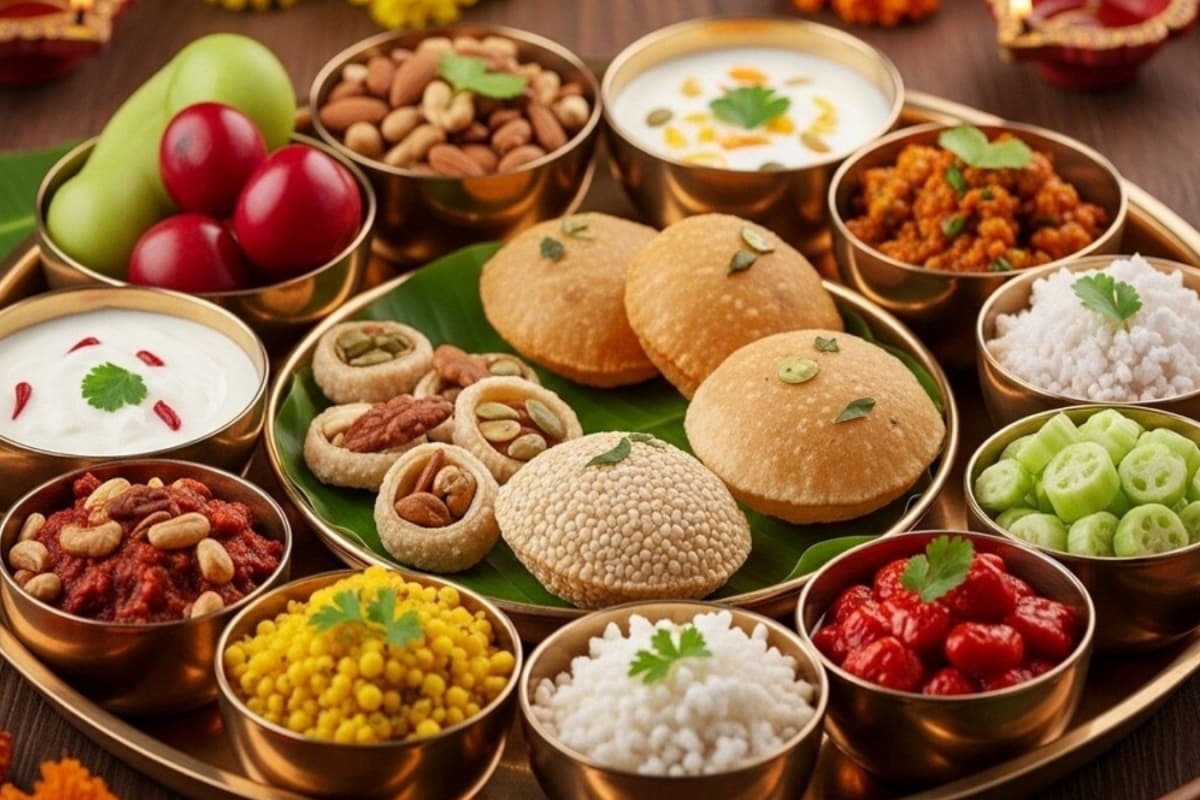
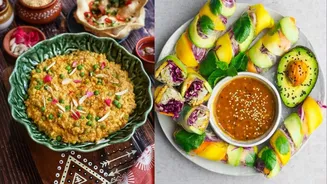
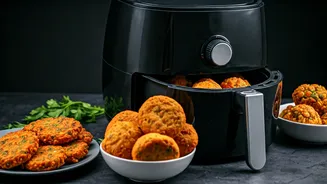
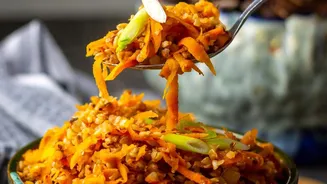
samak rice, and sabudana, known for being gluten-free and nutrient-rich, are moving beyond their traditional, ritualistic preparations. Today, these staples are being incorporated into lighter, more sophisticated culinary applications. This shift includes exploring options like baked snacks, air-fried alternatives, and elegantly plated meals that offer a café-style dining experience, making them suitable for everyday consumption rather than just during fasting periods. This reimagining caters to contemporary lifestyles that demand both nourishment and convenience without compromising on the essence of clean eating. The transformation is driven by a desire to adapt time-honored culinary practices to the pace of modern life. Gone are the days when fasting fare was confined to predictable, home-cooked meals. The focus is now on making these healthful ingredients accessible and appealing through contemporary formats. This evolution ensures that the principles of Satvik cooking remain intact while embracing new techniques and presentation styles that resonate with today's consumer. The goal is to bridge the gap between tradition and contemporary culinary trends, making vrat foods a more integrated part of a balanced diet throughout the year.
Convenience on Menus
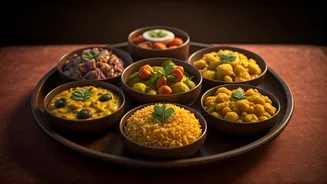
The quick-service restaurant sector is increasingly featuring curated fasting menus, designed with consistency, presentation, and speed in mind to meet the demands of urban consumers. This move signifies a significant shift, moving vrat foods from exclusively home kitchens to accessible public dining spaces. Key factors driving this trend are convenience, aesthetic appeal, and the need for reliable options for individuals with demanding schedules. These strategically designed menus simplify access to fasting-appropriate meals and help redefine the perception of such food, making it an aspirational choice rather than a restrictive one. The introduction of these ready-to-eat fasting options reflects a broader societal trend towards prioritizing ease and efficiency in daily life, even when adhering to dietary observances. This expansion into QSR spaces is not just about availability; it's about innovation in service and product development. Restaurants are investing in creating diverse fasting options that are both quick to prepare and visually engaging. This approach ensures that those observing fasts can maintain their practices without sacrificing their usual dining experiences or convenience. By adapting to market demands for speed and presentation, vrat cuisine is becoming more integrated into the urban food landscape, demonstrating its flexibility and broad appeal beyond traditional settings and occasions.
Texture and Appeal
Modern consumers, particularly younger generations, are seeking more than just taste in their food; they are increasingly focused on texture and visual appeal. This has spurred significant experimentation with preparation techniques for vrat ingredients. Innovative approaches include creating crisp sabudana bites, developing baked goods using kuttu flour, and crafting refined preparations of singhara. The aim is to offer diverse sensory experiences that align with contemporary palates while remaining true to traditional flavors. This emphasis on a multi-sensory dining experience elevates fasting food from a basic necessity to an enjoyable culinary exploration. This wave of innovation is built upon a foundation of respect for original flavors and culinary heritage. Chefs and home cooks are finding ways to present familiar ingredients in novel forms, making them more exciting and relevant for today's food scene. The integration of new techniques allows for a greater variety of textures and presentations, appealing to a wider audience. This evolution ensures that vrat cuisine continues to thrive by adapting to changing consumer preferences, proving that tradition and modernity can harmoniously coexist in the kitchen, offering both comfort and novelty.
Health Meets Practicality
The core principle of health remains central to vrat eating, with modern interpretations enhancing its accessibility. Fasting foods are inherently light, easily digestible, and packed with essential nutrients, making them a naturally healthy choice. Executive Chef Umesh Singh highlights that even minor modifications in presentation, texture, or cooking methods can lead to significantly improved results and appeal. These thoughtful adjustments, such as optimizing portion sizes, employing cleaner cooking techniques, or enhancing visual presentation, play a crucial role in boosting both the desirability and practicality of vrat meals. This practical approach to health ensures that observing fasts doesn't necessitate a compromise on nourishment or enjoyment. By focusing on small, impactful changes, vrat cuisine becomes more adaptable to the demands of contemporary lifestyles. The emphasis is on making healthy eating effortlessly integrated into daily routines, even during periods of observance. This blend of tradition and modern practicality makes vrat food not just a temporary dietary practice, but a sustainable, health-forward way of eating that can be enjoyed beyond religious occasions, seamlessly fitting into the rhythm of modern life while staying deeply rooted in its cultural origins.