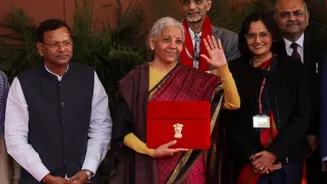




Budget 2026: An Overview
The Union Budget 2026 has brought forward several strategies focused on the development of cultural tourism in India. The budget's emphasis is not solely
on financial aspects but also on fostering 'institutional maturity,' which implies a strategic shift toward more robust and enduring structures within the tourism sector. This indicates a long-term vision designed to sustain and broaden the impact of tourism. This includes investments in infrastructure and also supports initiatives to protect and showcase India's rich heritage. The government is aiming to create a sustainable and well-managed ecosystem that will attract both domestic and international visitors. This will require effective planning, investment, and ongoing monitoring.
Previous Announcements Comparison
When assessing the current provisions, it's essential to compare them with prior key announcements regarding cultural tourism. Earlier initiatives may have focused on specific projects or immediate goals, while the 2026 budget appears to take a more holistic approach. Past efforts may have concentrated on certain states or regions, whereas Budget 2026 seeks to implement strategies on a larger scale. This contrast provides context for understanding the evolution of government policies. Examining past budget allocations offers valuable insights into the changing focus and strategic direction of cultural tourism policies. The comparison helps to identify trends, understand the challenges encountered, and evaluate the progress made in the sector over time. By observing these changes, one can assess the consistency and effectiveness of government strategies in promoting cultural tourism.
Institutional Maturity Focus
The focus on 'institutional maturity' is a significant aspect of the Union Budget 2026. This entails developing sustainable frameworks and strengthening the infrastructure and governance within the tourism industry. It includes investing in training and development programs to ensure that the workforce is well-equipped to manage tourism-related activities effectively. This also means improving the standards of hospitality and services, and promoting responsible tourism practices. The long-term impact on the cultural tourism sector will depend on efficient implementation. This will allow the sector to evolve towards better efficiency and provide a richer experience for tourists. This shift suggests a plan to build a stable foundation for the industry's continued success, in contrast to quick fixes.
Impact on Tourism Boost
The provisions made in the budget are expected to have a noticeable impact on the cultural tourism sector in India. This includes an increase in tourist numbers, higher revenue generation, and the creation of more employment opportunities within the sector. It also involves an increase in the preservation of historical sites and cultural heritage. Additionally, the budget could promote the establishment of new tourism-related businesses, and help in the development of tourist infrastructure in various regions. This could also enhance the international appeal of Indian culture and promote cross-cultural understanding. With these factors in place, the plan anticipates a substantial transformation in the tourism sector, leading to long-term gains for the country's economy and cultural heritage.