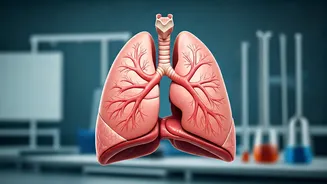







Daily Deep Breathing
The first habit involves practicing deep breathing exercises every day. The doctor incorporates a routine that emphasizes taking slow, deep breaths, ensuring
the lungs are fully expanded. This is usually done for a few minutes at a time, several times a day. The benefits of this practice include increased oxygen intake, improved lung capacity, and reduced stress levels. Deep breathing helps to clear the airways and promotes better circulation, leading to a healthier respiratory system. The doctor may recommend specific breathing techniques, such as diaphragmatic breathing, to enhance the effectiveness of this practice. Regular deep breathing exercises are simple yet powerful tools for improving lung function and overall health. Consistency is key to reaping the maximum benefits, and the doctor stresses the importance of making this a non-negotiable part of the daily routine.
Hydration is Vital
Staying well-hydrated is another crucial habit the doctor follows to support lung health. Drinking plenty of water throughout the day helps to keep the airways moist, making it easier to breathe and helping the lungs function efficiently. Dehydration can cause the mucus in the lungs to become thick, leading to congestion and making it more difficult to clear the airways. The doctor emphasizes drinking at least eight glasses of water daily, along with other hydrating fluids such as herbal teas and clear broths. This ensures that the lungs remain lubricated and can effectively perform their function. Hydration also helps to flush out toxins and supports the overall health of the body. The doctor stresses that water is essential for optimal lung health and advocates for carrying a water bottle throughout the day to encourage regular hydration, particularly in hot or dry climates.
Regular Physical Activity
The third key habit is regular physical activity. The doctor incorporates exercise into his daily routine, which strengthens the lungs and improves their overall efficiency. Activities like brisk walking, jogging, swimming, or cycling are particularly beneficial, increasing the heart rate and making the lungs work harder. This improves lung capacity and strengthens the respiratory muscles. Even moderate exercise, such as a 30-minute walk each day, can have a significant positive impact. The doctor highlights that exercise also boosts the immune system, making the body more resilient against respiratory infections. Regular physical activity supports the lungs and improves cardiovascular health, contributing to enhanced overall well-being. The doctor encourages finding activities they enjoy to make physical activity a sustainable part of their daily life, emphasizing that even short bursts of activity are better than none at all.