







The Risky Habit
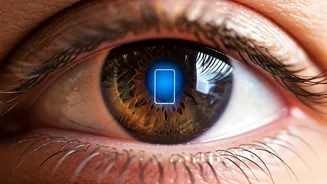
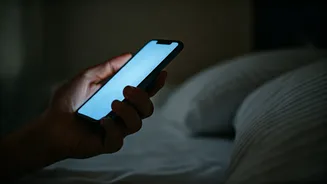
Many individuals have a go-to ritual before sleep that, unbeknownst to them, poses a risk to their ocular health. This involves prolonged exposure to the blue
light emitted from electronic devices, such as smartphones, tablets, and computers, right before attempting to rest. The intense light spectrum from these screens can disrupt the body's natural production of melatonin, a crucial hormone that regulates sleep-wake cycles. Consequently, this interference can lead to difficulties in falling asleep, fragmented sleep patterns, and a general reduction in sleep quality. Over time, consistent exposure to this disruptive light can contribute to eye strain, dry eyes, and potentially more serious long-term vision issues. It's a widespread practice, especially in our digitally connected world, but one that eye specialists are increasingly highlighting as detrimental to well-being.
Why Doctors Advise Against
Eye doctors strongly caution against using electronic screens immediately before bed due to the significant impact of blue light on our visual system and sleep architecture. This high-energy visible light wavelength scatters more easily than other visible light, meaning a greater amount of it is scattered and more likely to reach the back of the eye. This can lead to visual fatigue and discomfort, often manifesting as dry eyes, blurred vision, and headaches. More critically, blue light is particularly effective at suppressing melatonin production. Melatonin signals to your body that it's time to sleep. When this hormone's production is hindered by screen time, your internal body clock (circadian rhythm) becomes confused, making it harder to initiate and maintain sleep. This chronic disruption can have cascading effects, impacting overall health, mood, and cognitive function. Professionals recommend creating a buffer zone between screen use and bedtime to allow melatonin levels to rise naturally and prepare the body for restful sleep.
Healthier Sleep Alternatives
To protect your vision and improve sleep quality, it's advisable to implement alternative strategies for your pre-sleep routine. Consider establishing a 'digital sunset' at least one to two hours before you intend to sleep. During this period, completely switch off electronic devices or, if absolutely necessary, use apps or settings that filter out blue light, often referred to as 'night mode' or 'blue light filters.' Instead of screen time, engage in relaxing activities that promote a sense of calm. This could include reading a physical book or magazine by dim, warm lighting, listening to calming music or a podcast, taking a warm bath, practicing gentle stretching or meditation, or journaling. Creating a tranquil environment conducive to sleep, free from the stimulating effects of blue light and engaging content, will help your body naturally wind down, leading to more restorative and consistent sleep.