






Sweat: The Silent Reporter
The human body is an amazing machine, and sweat, which often appears simply as an inconvenience, is actually an intricate system. Scientists are finding
more and more ways to understand its complexity. In the realm of health, sweat glands, which generate sweat, secrete a complex fluid comprising water, electrolytes, and several other biological compounds. The composition of sweat can differ significantly depending on the overall state of the body, offering insights into health conditions. Innovative research has begun analyzing these distinct components to learn more about the link between sweat and various diseases. This has the potential to transform disease detection methods.
Diabetes: A Sweaty Diagnosis?
Diabetes, a metabolic disorder, is often diagnosed using blood tests to assess glucose levels. However, experts are examining a less invasive method: sweat analysis. People with diabetes typically have higher glucose levels in their blood, and this excess glucose can also be found in sweat. Thus, measuring sweat glucose levels could serve as an alternative method for early detection. The advantages of using sweat include its easy accessibility and the potential for continuous monitoring. Researchers have developed wearable sensors that can track glucose levels through sweat, which is a major technological advancement. The information obtained from these devices could give patients and doctors valuable information for managing the disease and reducing complications.
Alzheimer's: Sweat's Insights
Beyond diabetes, the potential of sweat analysis extends to neurodegenerative diseases like Alzheimer's. This disease, characterized by the progressive loss of brain cells, presents challenges in early diagnosis. Scientists are investigating the presence of specific biomarkers in sweat that may indicate the disease's presence. Certain proteins and other compounds are associated with Alzheimer's disease, and their presence in sweat may give an early signal of the onset of the condition. Researchers have found that alterations in the levels of these compounds can often be detected before the emergence of noticeable symptoms. This early detection could revolutionize treatment, allowing for timely interventions to slow down the progression of the disease and improve the patients’ quality of life. The potential benefits are enormous, promising a proactive approach to managing Alzheimer's.
Tech Transforming Detection
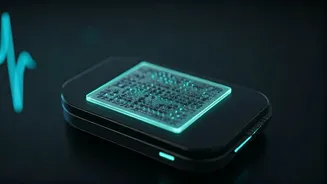
The development of advanced wearable technology is at the heart of the sweat analysis revolution. Modern biosensors, integrated into smartwatches, fitness trackers, and other devices, can continuously monitor sweat composition in real time. These sensors can measure glucose, electrolytes, and biomarkers with high precision. Information is usually sent wirelessly to smartphones or other devices, providing the wearer and their healthcare providers with accessible data. This technology offers a non-invasive, comfortable way to track health, transforming how people monitor and manage chronic diseases. These advancements may result in tailored health interventions that increase overall well-being. Additionally, this technology can make health monitoring more accessible, enabling preventive healthcare practices.
Challenges & Future Directions
While the promise of sweat analysis is evident, several challenges must be overcome. The composition of sweat can vary greatly based on factors like physical activity, hydration levels, and environmental conditions. This variability means that accurate interpretation of sweat data requires careful consideration and advanced calibration methods. Moreover, a greater understanding of the relationship between sweat biomarkers and various diseases is required. Future research will explore standardized methods for collecting and analyzing sweat samples. Scientists are also working on developing more sensitive and accurate sensors. The future of sweat analysis lies in combining technological innovation, in-depth research, and personalized health management.