

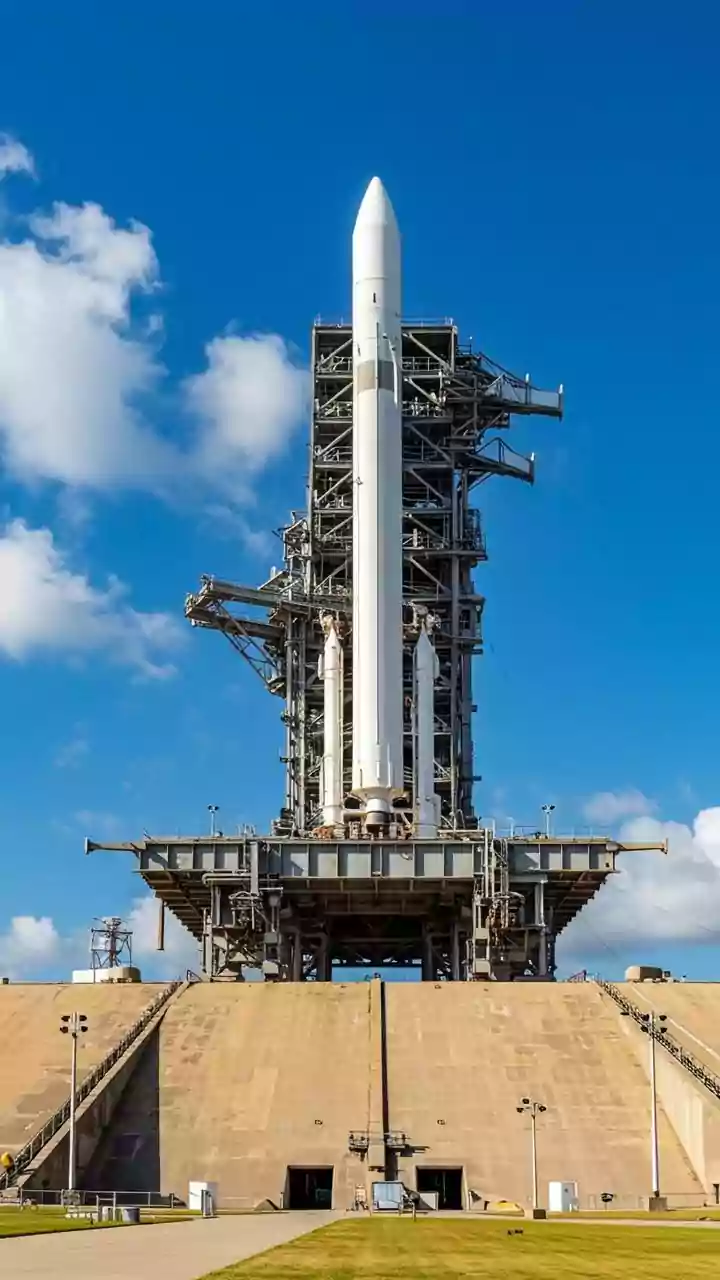







Orbital Data Centers
Blue Origin's reported venture into orbital data centers marks a significant stride in the evolution of space technology. The concept envisions establishing
data centers beyond Earth's atmosphere, leveraging the unique conditions of space for enhanced data processing and storage. The driving force behind this initiative stems from the growing demands of modern data needs, and the limitations posed by traditional terrestrial data centers. While the details remain somewhat elusive, the basic idea involves placing data storage and computing infrastructure in orbit. This approach is expected to offer advantages such as improved cooling efficiency, reduced latency for certain applications, and enhanced resilience against terrestrial disasters. The data centers would likely be powered by solar energy, and communicate with Earth-based facilities through advanced networking systems. Though specifics remain confidential, the implications of this endeavour are immense.
Technological Advancements
The realization of orbital data centers hinges on several technological advancements. First, highly efficient and reliable power generation systems, primarily solar-based, will be vital to keep the facilities running. Second, sophisticated thermal management is crucial because space offers vastly different thermal conditions than Earth. Managing heat dissipation in a vacuum environment presents its own set of challenges that need addressing. Next, advanced robotics and automation play a huge role in the construction, maintenance, and operation of these space-based data centers. Lastly, communication systems must be highly robust and secure, capable of handling vast data transfers with minimal latency between the orbital facilities and ground stations. Blue Origin would be relying on their in-house capabilities and partnerships to solve the hurdles associated with space-based infrastructure.
Benefits of the Orbit
The allure of orbital data centers extends beyond the thrill of space exploration. The space environment itself offers several key advantages for data processing and storage. One primary benefit is potentially superior cooling capabilities. The vacuum of space allows for more efficient heat dissipation compared to terrestrial facilities, which can significantly reduce energy consumption and operational costs. Moreover, the absence of atmospheric disturbances can lead to reduced latency for certain applications, such as high-frequency trading or real-time data analysis. Another crucial advantage lies in disaster resilience. Orbital data centers would be largely immune to natural disasters such as earthquakes, floods, and hurricanes, which can disrupt ground-based data centers. They also offer a degree of protection against physical attacks or other forms of interference. These factors contribute to the long-term reliability and availability of the data stored and processed in these facilities.
Challenges Ahead
Despite the compelling benefits, Blue Origin and any other entities venturing into orbital data centers will face considerable challenges. One significant hurdle involves the costs associated with launching infrastructure into space and maintaining operations. The expense of space travel, coupled with the need for specialized equipment and personnel, can make initial investments extremely high. Another primary concern is the potential for space debris. The creation of large-scale infrastructure in orbit increases the risk of collisions and the generation of debris, which could endanger the entire orbital data center ecosystem. Furthermore, ensuring the security of data transmitted and stored in space is crucial. Protection against cyberattacks and physical breaches presents unique challenges that must be addressed. Regulatory frameworks and international agreements governing the use of space for commercial purposes are still evolving, adding to the complexity of the undertaking.
Looking to the Future
The development of orbital data centers, if successful, could drastically alter the landscape of data management and computing. As this concept becomes a reality, we can expect to see new business models and services emerge, opening up opportunities in areas such as remote sensing, scientific research, and global communications. Collaboration between governments, private companies, and research institutions will be essential to foster innovation and drive the adoption of space-based data infrastructure. The environmental impact of these activities must also be taken into consideration, ensuring that the development of orbital data centers aligns with sustainable practices. By carefully addressing the technological, economic, and regulatory challenges, humanity can potentially unlock the transformative potential of space to address the world’s ever-growing need for data processing, storage, and resilience.