




Tradition Meets Innovation
In the heart of Puri, a subtle yet significant culinary revolution is taking place. Restaurants that once focused solely on authentic Odia and Mayurbhanj
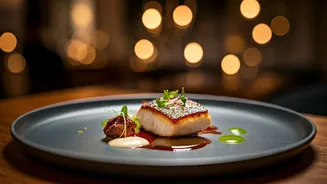
fare are now embracing a new wave of creativity. Chefs are thoughtfully infusing heirloom recipes with contemporary touches, aiming to captivate the palates of a younger, urban demographic. This movement isn't about replacing the familiar comfort of traditional tastes, but rather about presenting them in a way that resonates with modern sensibilities, bridging the gap between cherished memories of home-cooked meals and the adventurous spirit of global gastronomy. It’s a respectful evolution, ensuring that the essence of Odia cuisine remains intact while inviting new appreciation from both local and international diners who seek both familiarity and novelty on their plates.
Bridging Culinary Worlds
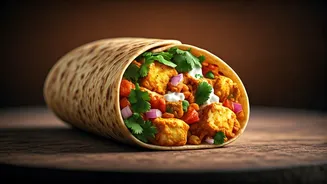
Fusion Odia cuisine is emerging as a vibrant expression of a new generation's evolving identity. These young Odias, exposed to global travel and digital trends, develop a sophisticated palate that appreciates international dishes like sushi and pasta, yet still craves the comforting embrace of pakhala or chhena poda. This culinary trend acts as a bridge, connecting these diverse experiences. Imaginative creations such as burritos filled with fermented rice, cheesecakes inspired by the sweet caramelization of cottage cheese, or a healthy santula presented as an elegant wellness bowl, are not seen as a departure from ancestral cooking. Instead, they are celebrated reinterpretations that honor the past while confidently stepping into the future. This exciting culinary evolution is propelled by increasing urbanization, the visually driven nature of social media, and a burgeoning sense of pride in Odisha's rich regional heritage.
Masterful Reinterpretations
Senior Chef Abhijit Nag exemplifies the harmonious blend of culinary legacy and forward-thinking innovation. With extensive training in continental techniques and decades of experience in prestigious hotels worldwide, he adeptly navigates the spectrum from time-honored recipes to daring experiments. "We are crafting Indian food with a continental essence," Chef Nag explains, highlighting the necessity of culinary exploration. He draws parallels to the popularity of dishes like masala pizzas, suggesting that Odia cuisine can also achieve broader international appeal through similar adaptations. Despite this adventurous spirit, his culinary philosophy remains deeply rooted in authentic traditions. His Chattu Besera Croquettes, for instance, transform a humble mushroom and mustard preparation into a sophisticated appetizer. Mushrooms are marinated in pungent yellow mustard, sautéed with aromatic onions and garlic, infused with kasuri methi and spices, then formed into croquettes and lightly fried to achieve a delightful crisp exterior that gives way to an earthy, flavorful interior. Another cherished dish, Mangsa Muri, a Mayurbhanj specialty, evokes deep nostalgia. Tender mutton, marinated in ginger-garlic paste, turmeric, and mustard oil, is slow-cooked with onions and finished with a subtle hint of saunf powder. It's served alongside puffed rice, creating a sublime interplay between the succulent meat and the airy crunch of the rice.
Royal Flavors Elevated
The culinary artistry continues with dishes that channel the opulence of royal Mayurbhanj kitchens. Macho Besaro showcases fish marinated in a fragrant blend of yellow mustard, cumin, and coriander, then gently simmered in mustard oil until the delicate flavors meld beautifully. However, the true showstopper among Chef Nag's creations is the Daab Chingudi. For this exquisite dish, tender coconut water and cream are carefully extracted and set aside. Plump prawns are lightly sautéed with a rich paste of mustard, poppy seeds, onion, and green chilies. These seasoned prawns are then returned to the hollowed-out coconut shell, combined with their reserved water and cream, and steamed for approximately fifteen minutes. The result is a dish imbued with a delicately smoky essence, a faint sweetness, and a profoundly coastal character. It is traditionally served with plain rice, inviting diners to savor every nuanced drop of the flavorful liquid, a testament to the chef's deep understanding of regional ingredients and techniques.
A Bold New Wave
Representing the next generation of Odia culinary innovation is the dynamic Chef Omkar Sawant, whose approach is characterized by boldness, playfulness, and a distinct global perspective. He transforms Dalma, Odisha's ubiquitous lentil and vegetable stew, into a silken Dalma Veloute, a French-inspired soup. Vegetables are meticulously boiled and pureed with mashed arhar dal, then delicately enriched with a touch of butter and cream. The soup is seasoned with freshly ground dalma masala—a comforting blend of coriander, cumin, red chili, and cardamom—and finished with a sprinkle of grated coconut, offering a familiar taste in a refined, elegant presentation. Chef Sawant's Baingan Chhena Lasagna ingeniously substitutes pasta sheets with layers of roasted brinjal. These are interleaved with a zesty arrabbiata sauce and shredded chhena, the local cottage cheese. The chhena, with its moist, crumbly texture and subtle tang, melts beautifully into the spicy tomato sauce. Topped with mozzarella and baked to perfection, this dish creates a harmonious fusion of Odia ingredients and Italian culinary tradition. The Basil Paneer Tikka offers another vibrant twist, foregoing the traditional yogurt marinade for a vivid paste of fresh basil and Indian spices before being expertly charred in the tandoor, resulting in a herbaceous, smoky, and strikingly green appetizer.
Sweet Endings, Global Touches
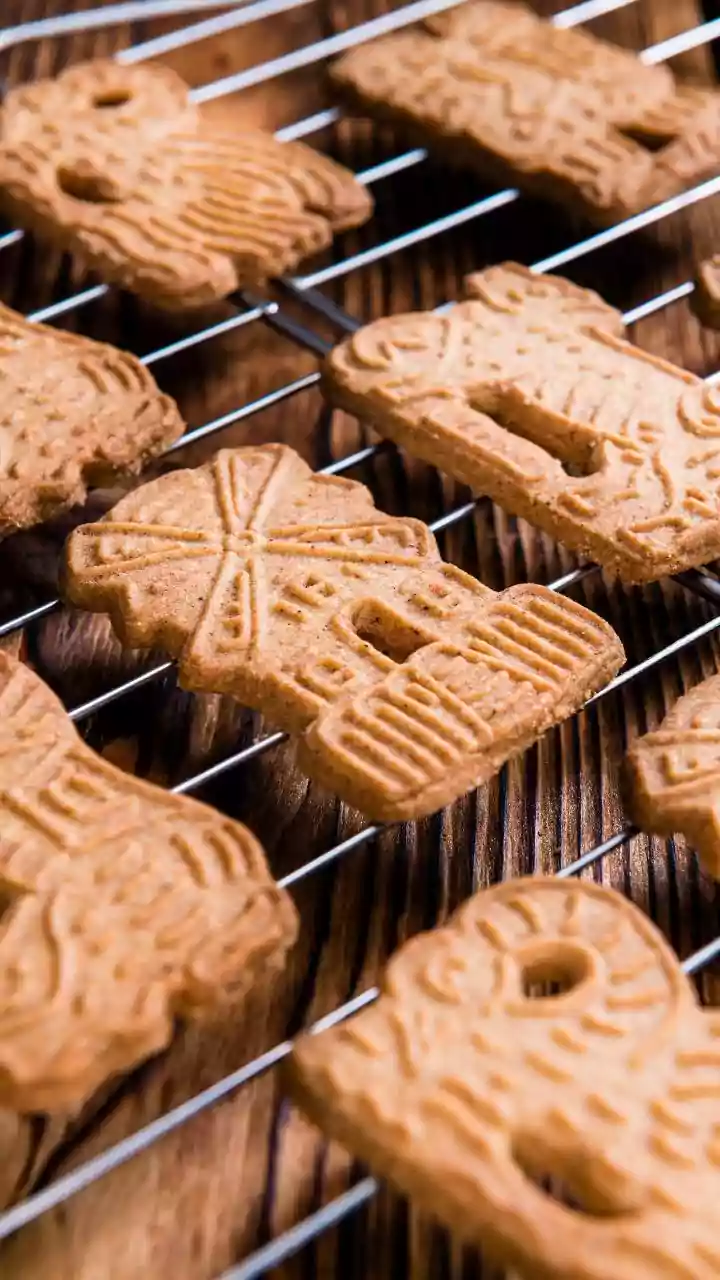
The culinary journey extends to delightful desserts, where Chef Sawant takes inspiration from Koraput, a region gaining recognition for its fine Arabica coffee. His Koraput Tiramisu is a celebration of this local produce. Instead of conventional ladyfinger biscuits, he incorporates Biscoff cookies for a delightful crunch and sweetness. Creamy mascarpone lends its characteristic richness, while the locally sourced Koraput coffee infuses the dessert with a deep, aromatic complexity. The resulting creation is both luxuriously indulgent and proudly rooted in regional flavors. Demonstrating further cross-cultural flair, his Prawn Tempura with Ghee Podi Dust offers an addictive textural and flavorful experience. Prawns are carefully straightened, coated in a chilled batter made from refined flour, corn flour, and rice flour, then fried to a perfect crisp. They are finished with an aromatic dusting of ghee podi—the savory spice mix often used in ghee podi dosa—and garnished with fried curry leaves, resulting in a dish that is crunchy, fragrant, and utterly irresistible. These creations highlight a sophisticated dialogue between culinary traditions.