






Security Lockdown Initiated
In an extraordinary move, both the Kalighat residence of Trinamool Congress chief Mamata Banerjee and her ministerial office in Nabanna were placed under
a stringent security lockdown. This measure was enacted on Monday, even before the final declaration of assembly poll outcomes. The Chief Secretary of West Bengal, Dushyant Nariala, issued crucial directives to all departmental heads. These instructions emphasized the absolute necessity of ensuring that no official documents were to be removed, damaged, or copied without proper authorization. This proactive step aimed to maintain the integrity and security of government records during a politically sensitive time, underscoring the seriousness with which the administration viewed the situation.
Paramilitary Presence Bolstered
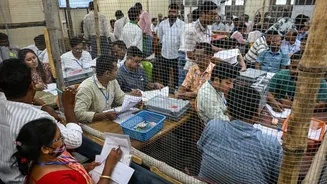
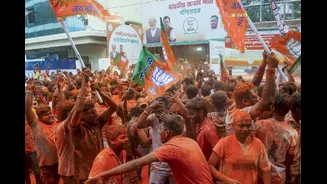
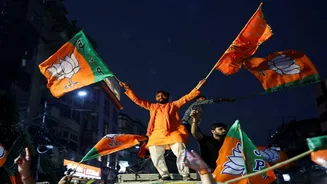
Even before the final results of the assembly elections were declared, a significant build-up of security forces was observed. Central paramilitary personnel had already established a perimeter around Nabanna, the state secretariat. Simultaneously, security was intensified outside the Chief Minister's Kalighat residence and the home of Trinamool Congress national general secretary Abhishek Banerjee. This deployment occurred by Monday afternoon, reflecting an immediate response to the evolving political landscape. The increased vigil coincided with celebrations by BJP supporters in certain areas of Kalighat and reports of isolated incidents of tension across the state, as initial trends indicated a challenging outcome for the Trinamool Congress.
Protecting Official Records
A clear and emphatic order was issued by the Chief Secretary to all departmental secretaries and heads of offices. The directive explicitly stated that no important papers or any files were to be removed, damaged, or taken out of the offices under any circumstances. Furthermore, the order strictly prohibited any unauthorized copying or scanning of documents. It was mandated that all files, critical papers, and communications must be meticulously accounted for. The onus was placed directly on the Heads of Departments and Departmental Secretaries to personally guarantee that these instructions were adhered to in both letter and spirit, ensuring the inviolability of government documentation.
Preventive Measures Activated
In line with the security directives, quick response teams were strategically deployed to the main offices of several key government departments. These teams were tasked with ensuring immediate compliance and maintaining order. The Election Commission of India officially stated that these security measures were purely preventive in nature. Their aim was to forestall any potential disruptions or attempts to compromise sensitive information during the period of electoral transition and the subsequent public reactions, thereby reinforcing the state's commitment to a smooth and secure administrative process.